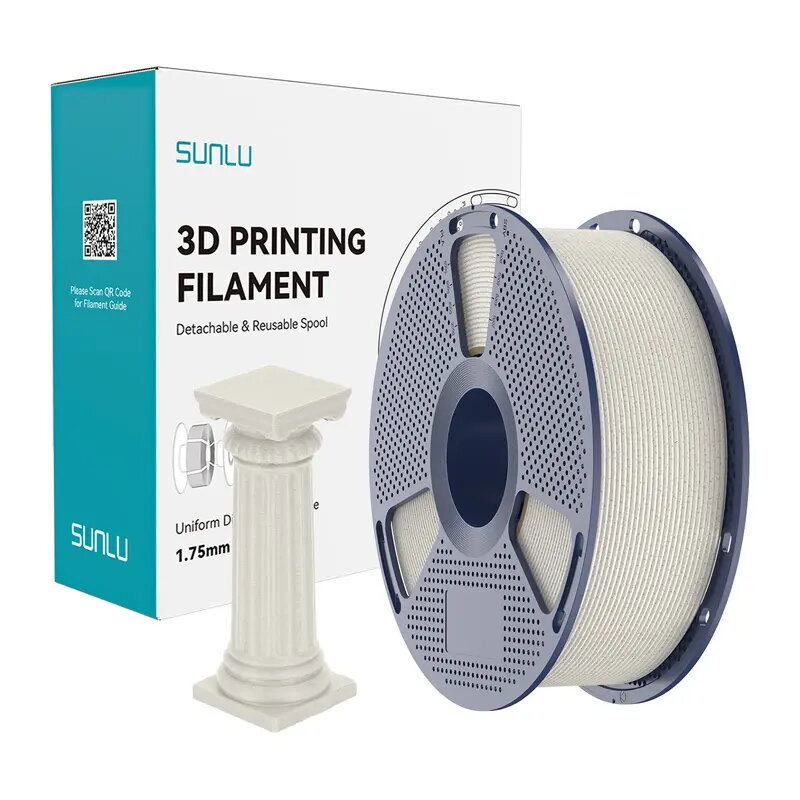
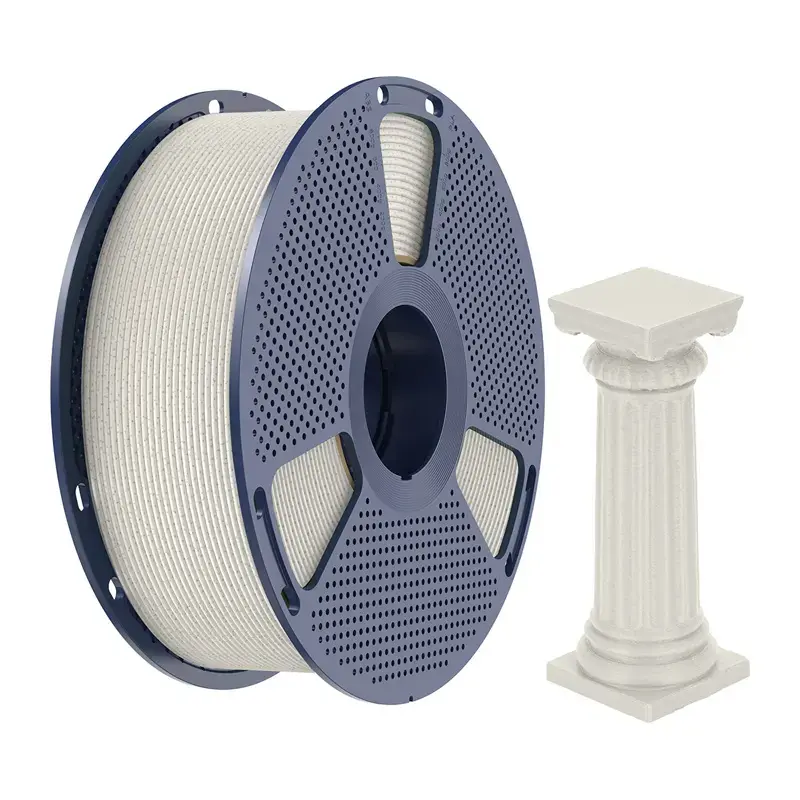
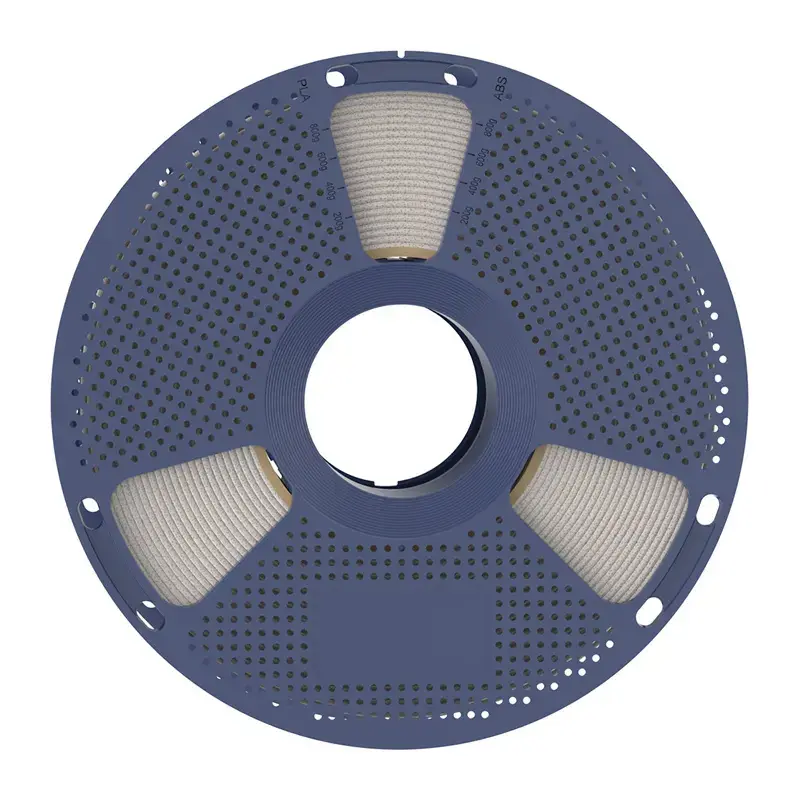
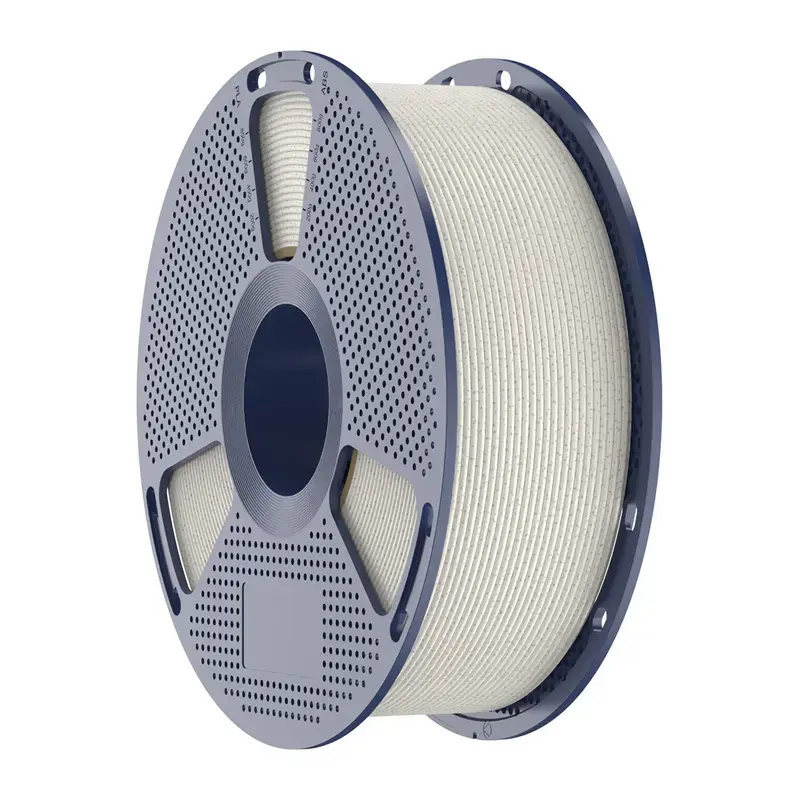
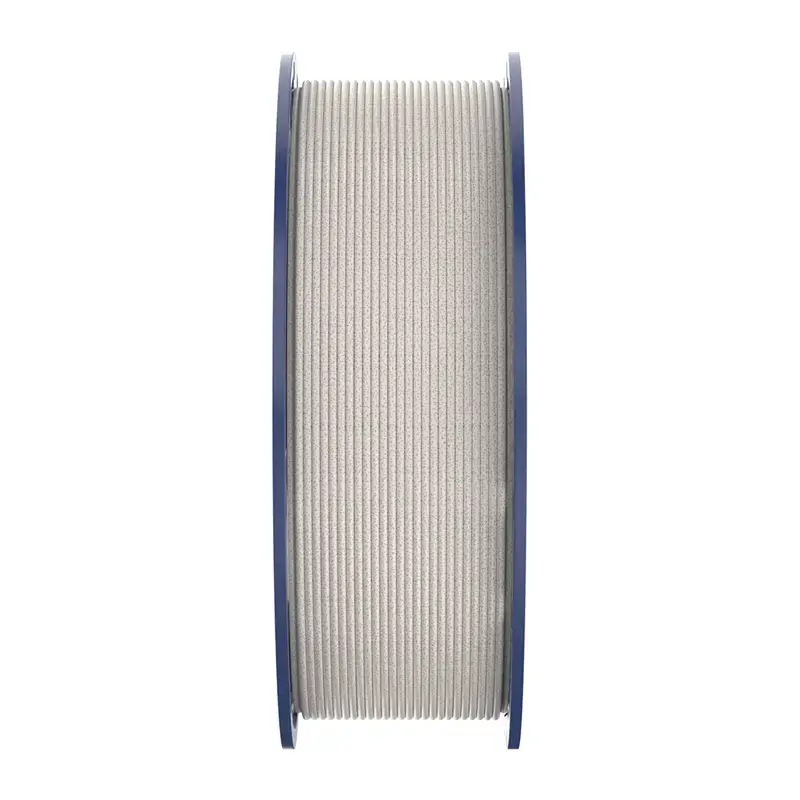
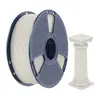
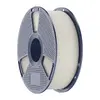
Sunlu PLA High-Speed Marble (chestnut) is a PLA-based 3D printing filament formulated to produce decorative parts with a realistic marble-like surface. The chestnut-colored material contains marble-imitating particles that give prints a textured, stone-like look while remaining compatible with standard FDM/FFF workflows. It is intended for users who need visually attractive models such as architectural mock-ups, sculptures, and decorative prototypes where surface appearance and efficient printing are important.
Advantages
The filament supports significantly higher print speeds while maintaining dimensional accuracy and surface quality. Its specially developed composition reduces common high-speed printing issues such as nozzle clogging and stringing, and the uniform diameter and low shrinkage help ensure consistent feeding and repeatable results. The marble effect delivers a natural, stone-like finish without additional post-processing.
Suitable for
- Architectural models and scale mock-ups
- Sculptural and decorative objects
- Visual prototypes and display pieces
- Projects requiring fast printing with an attractive surface finish
When it may not be suitable
The material is PLA-based and therefore shares the temperature limitations of standard PLA; it is not intended for high-temperature functional parts or prolonged outdoor exposure without additional protection. For applications that demand high heat resistance, significant mechanical load, or chemical exposure, alternative engineering filaments would be more appropriate.
Key specifications
- Color: chestnut
- Density: 1.25 g/cm³
- Vicat softening temperature: 54 °C
- Heat deflection temperature: 54.8 °C
- Melting temperature: 164 °C
- Melt flow rate: 10.7 g/10 min
- Tensile strength: 41 MPa
- Elongation at break: 80%
- Flexural strength: 70 MPa
- Flexural modulus: 3400 MPa
- Impact resistance (X-Y): 11 kJ/m²
How to use
Use this filament with FDM/FFF printers configured for PLA. Recommended print speeds range from 50 mm/s up to 600 mm/s for specific fill or thin-wall operations; typical fill speeds can reach around 450 mm/s. Select nozzle temperatures appropriate for PLA and the specified melting range, perform first-layer calibration for good bed adhesion, and ensure the extruder path is clean to leverage the filament’s high-speed capabilities. Adjust cooling and retraction settings as needed to balance surface finish and stringing when printing at higher speeds.
What to consider before purchase
- PLA characteristics: limited high-temperature resistance and outdoor durability
- Printer compatibility: intended for FDM/FFF printers with stable extrusion systems
- Desired finish: marble effect is decorative and may vary between prints
Usage recommendations
For best results, print test pieces at varying speeds to find the optimal balance between surface appearance and throughput; use appropriate bed adhesion and cooling settings, and avoid exposing finished parts to sustained high temperatures.