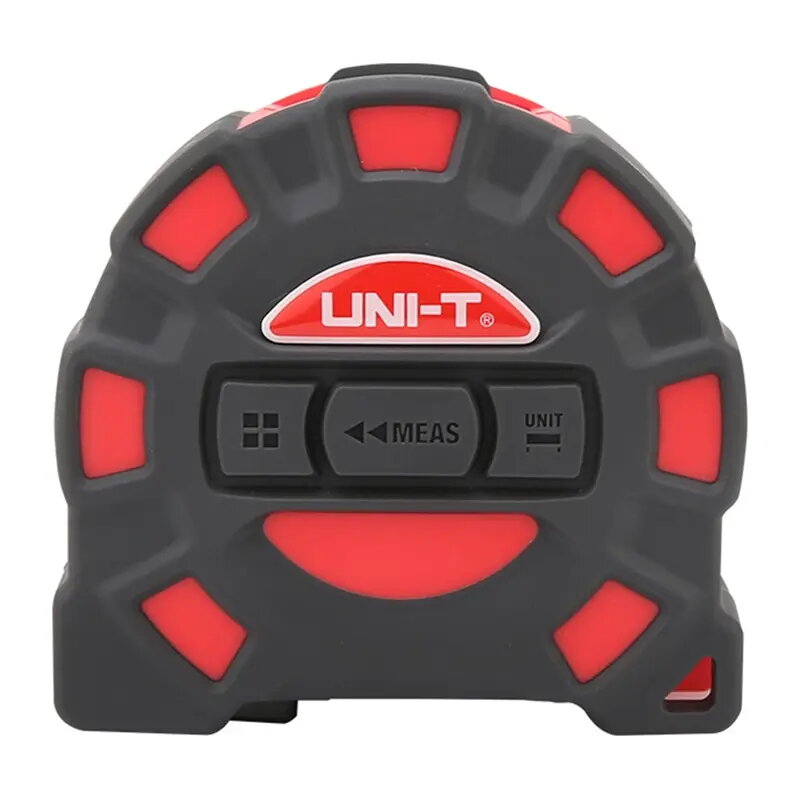
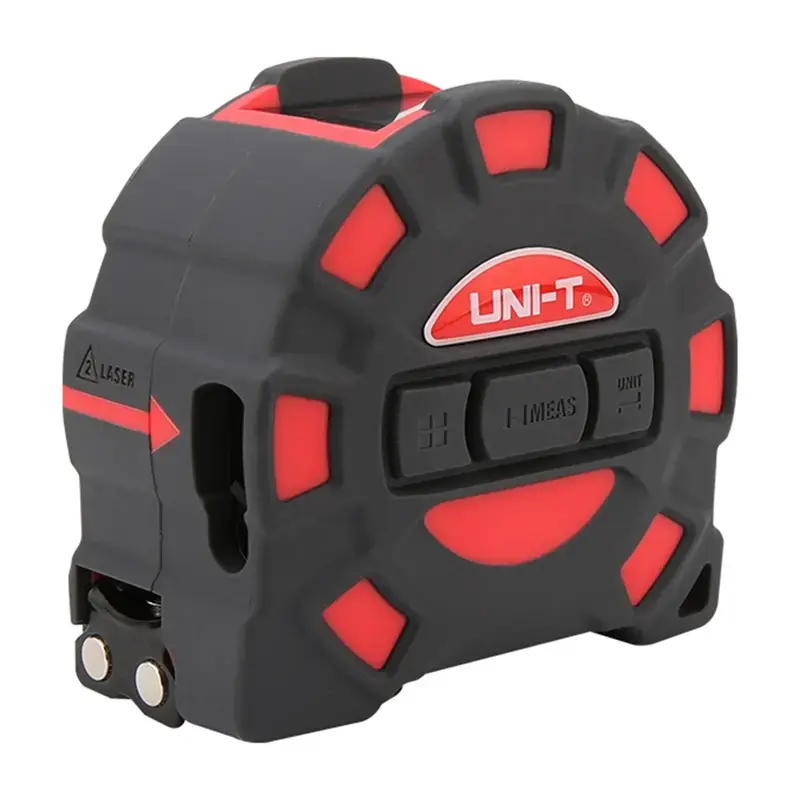
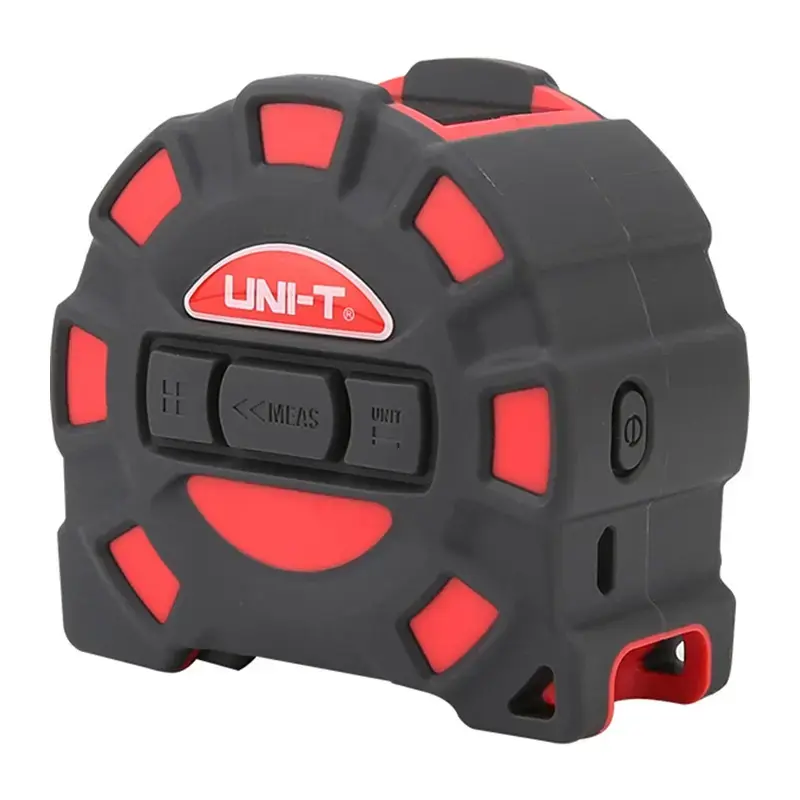
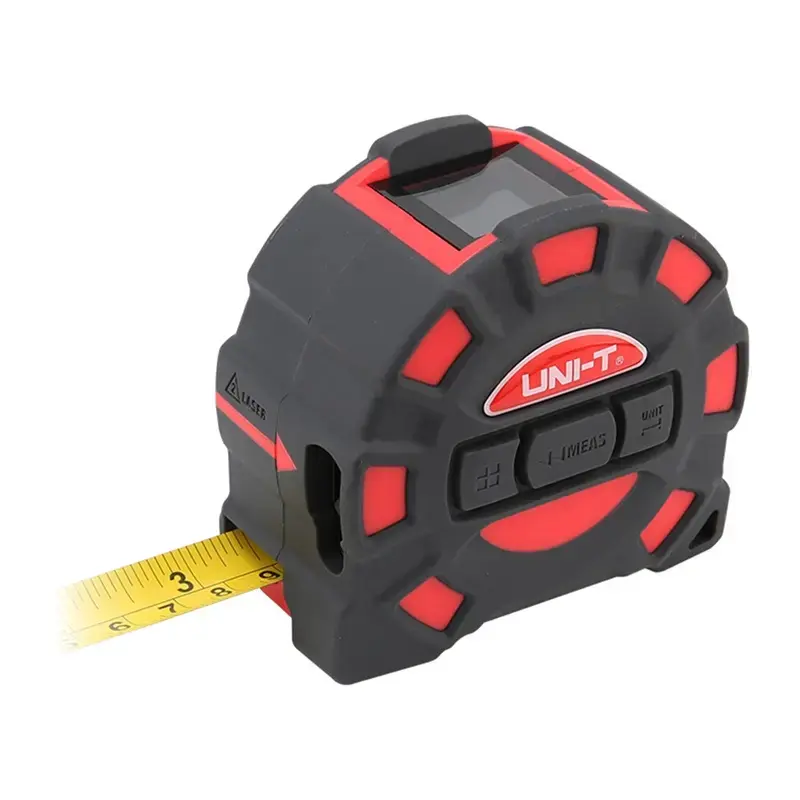
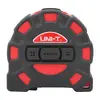
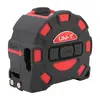
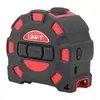
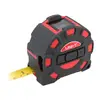
This product page focuses on the professional Uni-T LM60T Laser Distance Meter, which is compared against similar Uni-T measuring instruments: the Uni-T LM60Mi Laser Distance Meter, Uni-T LM40T Laser Distance Meter, Uni-T LM40Mi Laser Distance Meter, as well as the Uni-T LM570R-I Self-Leveling Cross Line Laser Level and the Uni-T LM320E Digital Protractor and Inclinometer. All reviewed tools are designed for construction, interior design, and engineering applications, but they serve different measurement purposes. The LM60 series models are built for extended distances, while the LM40 series targets more compact tasks. In contrast, the cross-line laser and digital protractor are specialized for alignment, layout, and angle measurement rather than direct distance calculation.
⚙️ The table below compares the key technical characteristics, intended use, and functional features of these devices to highlight their practical differences.
| Comparison parameter | Uni-T LM60T | Uni-T LM60Mi | Uni-T LM40T | Uni-T LM40Mi | Uni-T LM570R-I | Uni-T LM320E | Practical conclusion |
|---|
| Device type | Laser distance meter | Laser distance meter | Laser distance meter | Laser distance meter | Cross-line laser level | Digital protractor | The products have fundamentally different purposes: distance meters measure spans, whereas the level and protractor handle alignment and inclination. |
| Primary purpose | Distance, area, and volume measurement over extended ranges | Distance, area, and volume measurement over extended ranges | Distance, area, and volume measurement | Indoor distance, area, and volume measurement | Line projection for alignment and installation | Angle and inclination measurement | The LM60 models suit longer spans, LM40 models fit standard rooms, and specialized tools address geometry and layout tasks. |
| Operating environment | Professional and DIY tasks, demanding environments | Professional and DIY tasks | Professional and DIY tasks | Primarily indoor environments | Construction and interior finishing | Construction and woodworking | Most distance meters are versatile, but LM40Mi focuses on indoor tasks while LM570R-I and LM320E target specific installation needs. |
◎ The table below evaluates each product suitability for different use cases to help determine the most appropriate tool for specific requirements.
| Use case | Recommended product | Why |
|---|
| Measuring longer distances on a construction site | Uni-T LM60T Laser Distance Meter | Provides an extended measurement range and is well-suited for demanding job site environments. |
| Quickly checking angles and inclinations | Uni-T LM320E Digital Protractor and Inclinometer | A specialized tool built specifically for precise angle measurement in woodworking and engineering. |
| Installing shelves, tiles, and wall-mounted fixtures | Uni-T LM570R-I Self-Leveling Cross Line Laser Level | Features automatic self-leveling and projects clear laser lines for efficient layout and installation work. |
The main advantage of the Uni-T LM60T Laser Distance Meter over alternatives is its capability for extended distance measurement in demanding work environments. It is best suited for users who require a longer operational range than the LM40 series can provide. If your task involves alignment or angle checking rather than distance measurement, a specialized tool such as the Uni-T LM570R-I Self-Leveling Cross Line Laser Level or the Uni-T LM320E Digital Protractor and Inclinometer will be more appropriate.