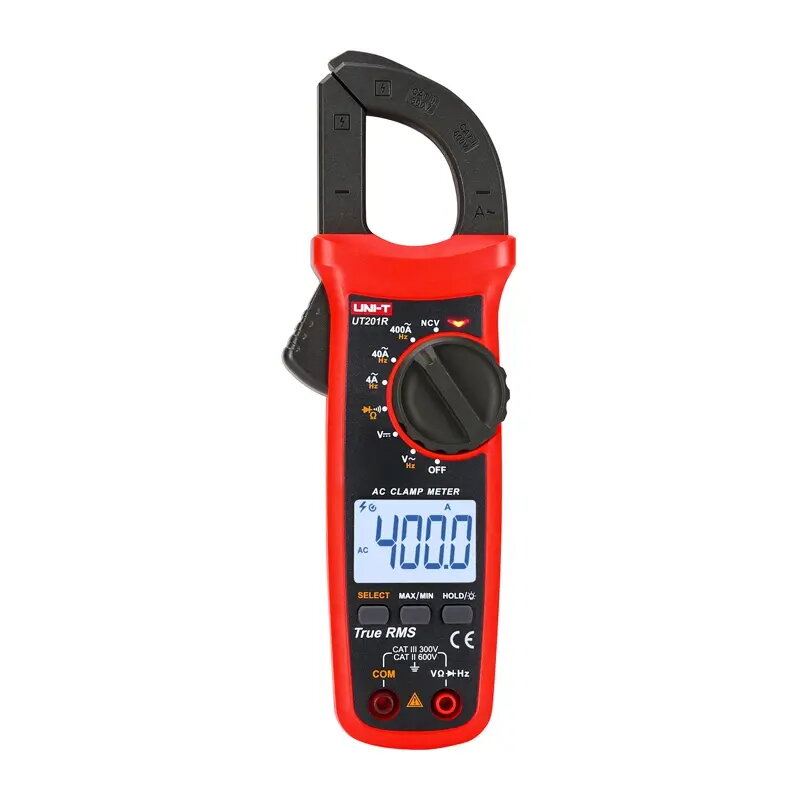
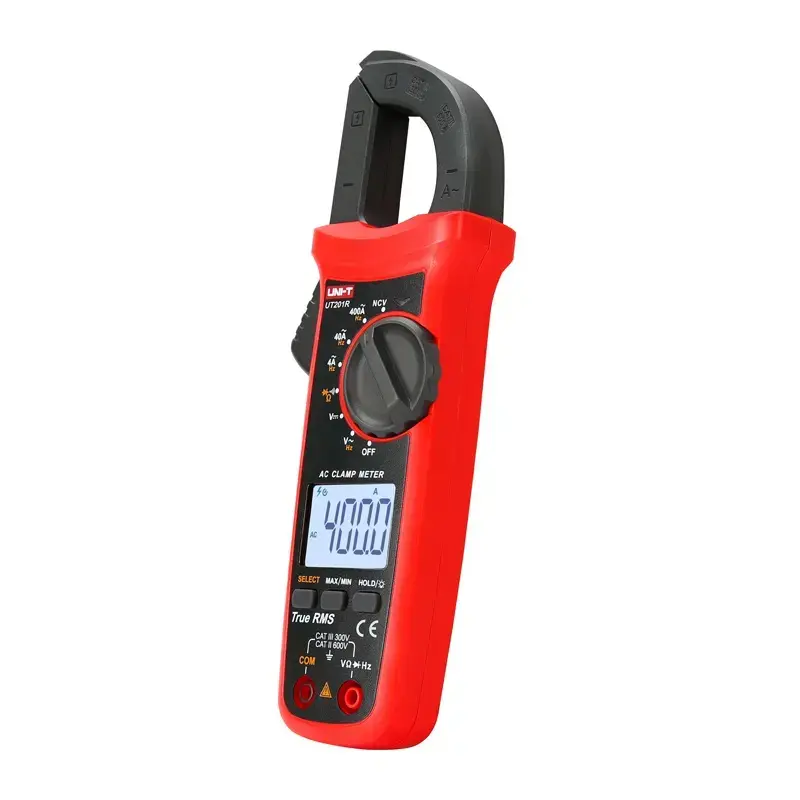
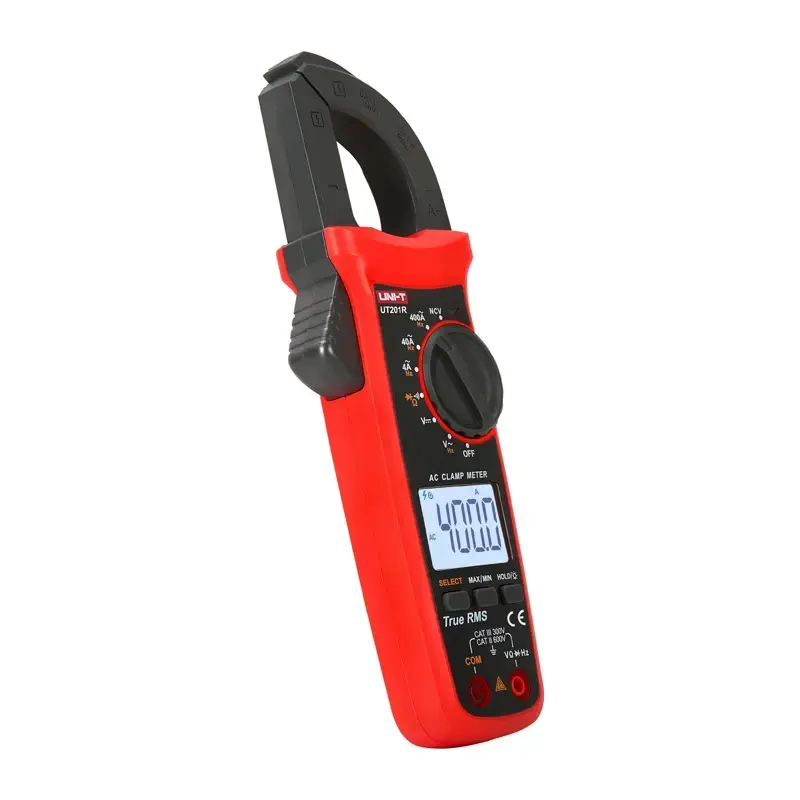
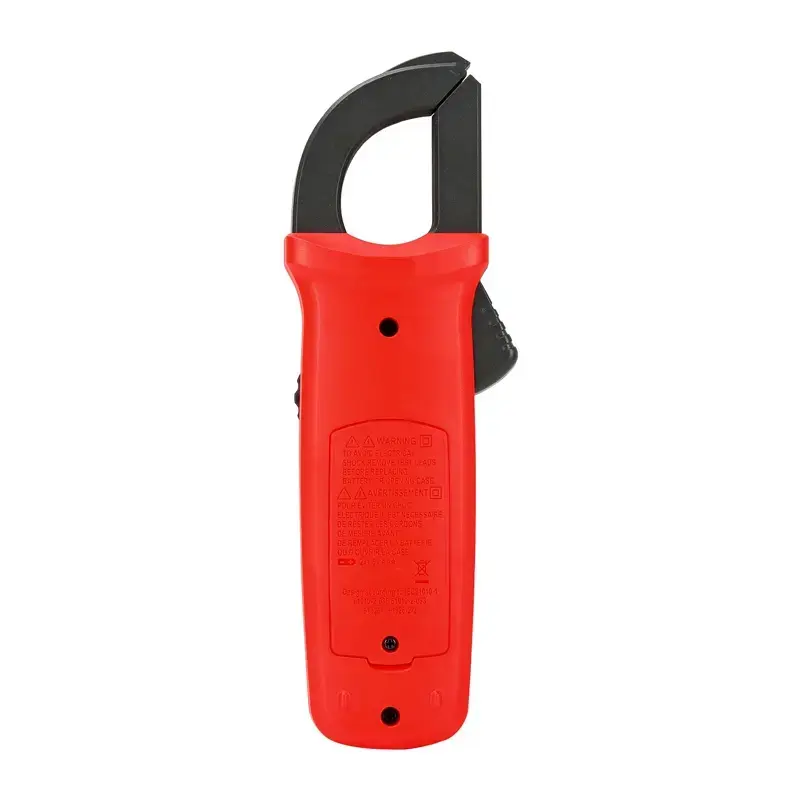
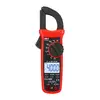
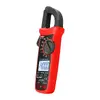
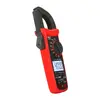
Electrical measuring devices vary in purpose and design, so the choice depends heavily on your specific tasks. In this overview, the Uni-T UT201R Digital Clamp Meter is compared against several alternative tools from the same brand and a competing brand, Habotest, including mini clamp meters, traditional multimeters, and a flexible current sensor. The main differences lie in their form factor, current measurement capabilities (including non-contact testing via clamp jaws), and diagnostic features for household and industrial electrical maintenance.
⚙️ The table below compares the device type, core measurement functionality, design features, and practical purpose of each tool.
| Parameter | Uni-T UT201R Digital Clamp Meter | Uni-T UT210B Mini Digital Clamp Meter | Handheld multimeter Unit UT107 | Digital Multimeter Unit UT123D | Clamp Current Sensor Unit UT-CS06A | Clamp Meter Habotest HT206A | Practical significance of differences |
|---|
| Device type | Digital clamp meter | Mini digital clamp meter | Handheld multimeter | Digital multimeter with auto-range | Flex clamp current sensor | Digital clamp meter | Clamp meters allow measuring current without breaking the circuit, whereas multimeters require contact connection, and the flexible sensor serves as a specialized add-on. |
| Purpose and application | Professional electrical measurements, troubleshooting | Troubleshooting in tight spaces | Basic voltage diagnostics, battery and outlet checks | General electrical measurement, DIY, and light professional use | Non-invasive current measurement up to 400 A, power monitoring | AC and DC current measurement, load verification | Tools are optimized for different scenarios: from compact checks in tight spots to high-current handling and standard multimetry. |
| Design features | Ergonomic design for industrial and household tasks | Compact portable body with high-resolution display | Portable instrument for basic checks | Auto-ranging, illuminated display | Flexible clamp design (50–400 Hz) | LCD display, clamp jaw for safe non-contact checks | Backlight and auto-range simplify work in dark environments, while flexible clamps are convenient for unusual conductors. |
◎ The table below shows which product is most suitable for different use cases and buyer profiles.
| Use case | Recommended product | Why |
|---|
| General electrical maintenance and troubleshooting | Uni-T UT201R Digital Clamp Meter | Provides reliable voltage, current, and resistance measurement for everyday electrical tasks. |
| Working in tight spaces and confined areas | Uni-T UT210B Mini Digital Clamp Meter | Compact mini form factor is specially designed for diagnostics in restricted spaces. |
| Basic checks of outlets, batteries, and automotive circuits | Handheld multimeter Unit UT107 | A specialized portable tester for simple voltage checks. |
| General household and hobbyist measurements with a clear display | Digital Multimeter Unit UT123D | Auto-ranging and a backlight make it simple and convenient for beginners and DIY users. |
| Measuring high currents up to 400 A using a flexible sensor | Clamp Current Sensor Unit UT-CS06A | The flexible loop allows connecting to bulky or awkward conductors for field testing. |
| Measuring both AC and DC current without breaking the circuit | Clamp Meter Habotest HT206A | Supports both AC and DC current measurement with auto-ranging and safe clamp jaws. |
Uni-T UT201R Digital Clamp Meter is best suited for professional electricians and technicians who need a versatile and reliable tool for standard current, voltage, and resistance measurements. You may prefer the UT210B if you need a more compact tool for tight spaces, the UT107 or UT123D multimeters for traditional contact diagnostics, the UT-CS06A sensor for flexible high-current measurements, or the Habotest device if DC current measurement is critical.