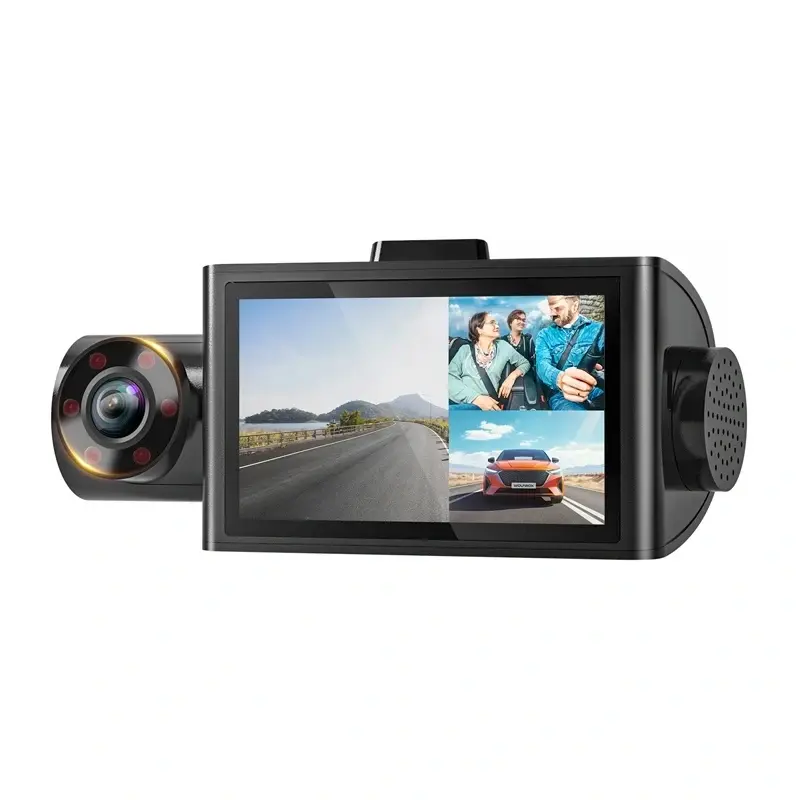
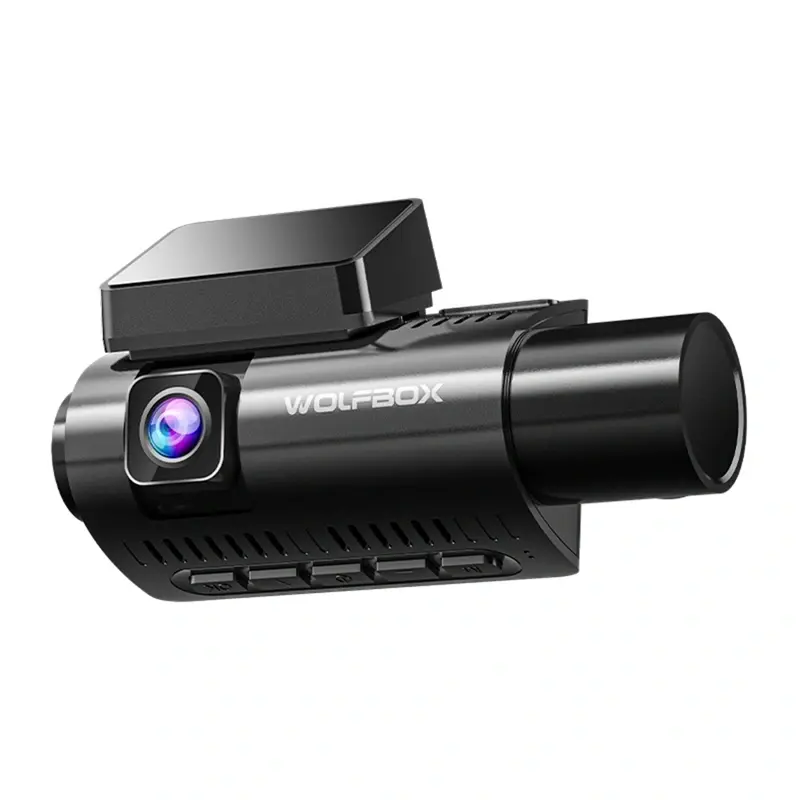
The WOLFBOX i07 dash cam is compared with several alternative models from the Wolfbox brand, including the Wolfbox i17, Wolfbox X3, Wolfbox G900TriPro Bumper, WOLFBOX G930, and Wolfbox G840S. All these products share a focus on comprehensive vehicle surveillance, built-in GPS, and security features like parking modes and loop recording. The main differences lie in camera channel configurations (triple-channel vs. dual-channel), sensor resolutions, body styles (classic dash cam or rearview mirror), screen sizes, and wireless connection speeds.
⚙️ The table below compares the technical specifications, including camera resolutions, channel counts, display types, wireless connectivity, and package features for each model.
| Parameter | WOLFBOX i07 | Wolfbox i17 | Wolfbox X3 | Wolfbox G900TriPro Bumper | WOLFBOX G930 | Wolfbox G840S | Practical significance |
|---|
| Type and Form Factor | Classic dash cam with three cameras | Classic dash cam with three cameras | Dual-channel classic dash cam | Rearview mirror with three cameras | Rearview mirror with two cameras | Rearview mirror with two cameras | The form factor determines installation: classic units are compact, while mirrors replace the factory rearview mirror and display camera feeds on a large screen. |
| Front Camera Resolution | 2.5K | 4K UHD | 2.5K (60 fps) | 4K | 4K UHD | 4K | Higher resolution (4K) delivers maximum detail for capturing license plates, while 2.5K offers balanced recording quality. |
| Channels and Cameras | Three cameras (front, cabin, rear) | Three cameras (front, cabin, rear) | Two cameras (front, rear) | Three cameras (front, rear, bumper) | Two cameras (front, rear) | Two cameras (front, rear) | Triple-channel models monitor the cabin or bumper in addition to the road, whereas dual-channel options focus strictly on front and rear views. |
| Display | 3-inch IPS screen | 3-inch IPS screen | 3-inch IPS touchscreen | 12-inch IPS touchscreen | 10-inch IPS touchscreen | 12-inch IPS touchscreen | Large touchscreen mirrors provide convenient controls and real-time live feeds from the cameras. |
| Wireless Connectivity | Built-in Wi-Fi | Fast 5 GHz Wi-Fi | 5.8 GHz Wi-Fi | 5.8 GHz Wi-Fi | Wi-Fi | Wi-Fi | Higher frequency bands (5/5.8 GHz) ensure faster and more stable video file transfers to a smartphone. |
◎ The table below evaluates the suitability of each model for different use cases and driver requirements to help choose the most appropriate device.
| Use case | Recommended product | Why |
|---|
| Comprehensive cabin and road monitoring on a balanced budget | WOLFBOX i07 | Provides triple-camera monitoring without extra costs for 4K resolution or mirror form factors. |
| Maximum night and day detail with a three-camera setup | Wolfbox i17 | Equipped with a 4K front camera, cabin IR lights, and a Sony IMX335 sensor featuring HDR and WDR technologies. |
| Smooth high-framerate driving footage | Wolfbox X3 | Records front video at 2.5K resolution with 60 frames per second using a Sony STARVIS 2 sensor. |
| Maximum blind-spot coverage with an additional bumper camera | Wolfbox G900TriPro Bumper | Features three cameras and a massive 12-inch mirror screen for all-around surveillance in demanding conditions. |
| Replacing the factory mirror with dual-channel recording | WOLFBOX G930 or Wolfbox G840S | Turns the rearview mirror into a display for two cameras with easy touch controls and parking security. |
The WOLFBOX i07 differs from alternatives by offering a balanced triple-channel setup in a compact classic body without overpaying for 4K resolutions or large mirror screens. It is most suitable for drivers who need simultaneous front, rear, and cabin monitoring within a traditional dash cam format. A buyer may prefer it over more complex alternatives if they do not require 60 fps frame rates, a bumper camera, or rearview mirror display functions.