Dreame vacuums for fast and efficient cleaning!

{{ totalProductsCount }}
In cart {{totalProductsCount}} item(s)
In cart {{totalProductsCount}} item(s)
Total:
{{sum | formatAmount}}
Your cart is empty
Security Systems
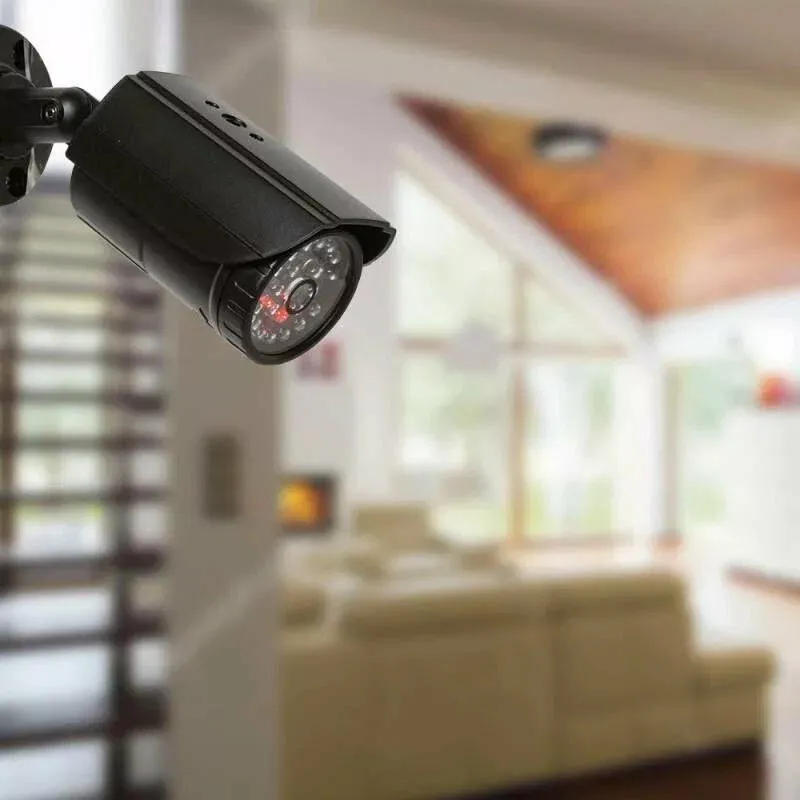
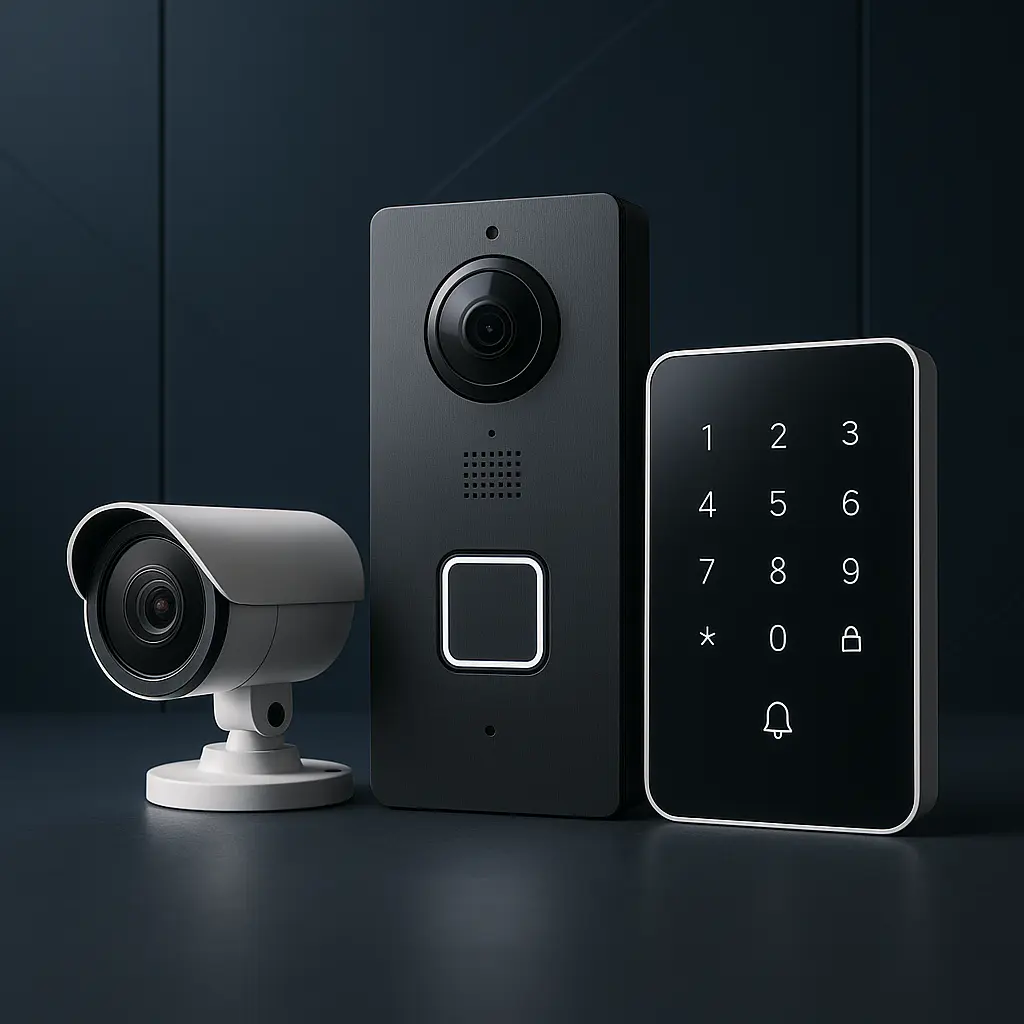
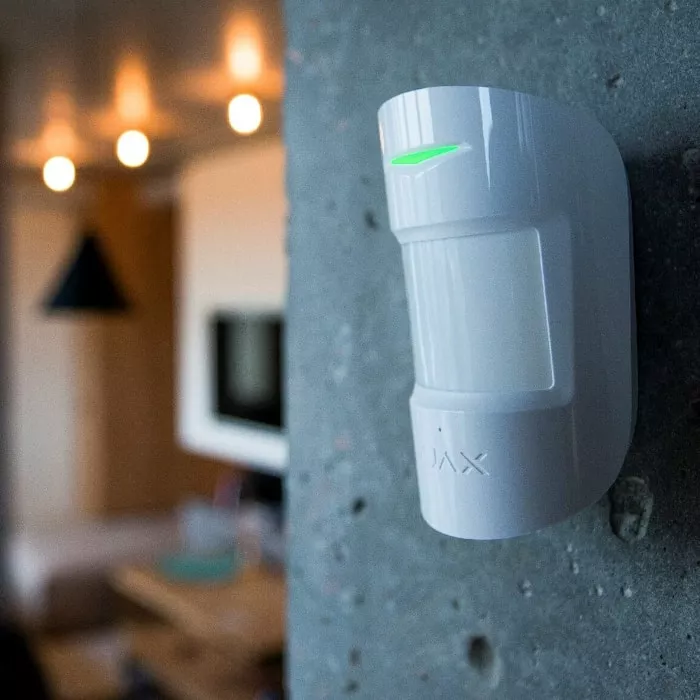
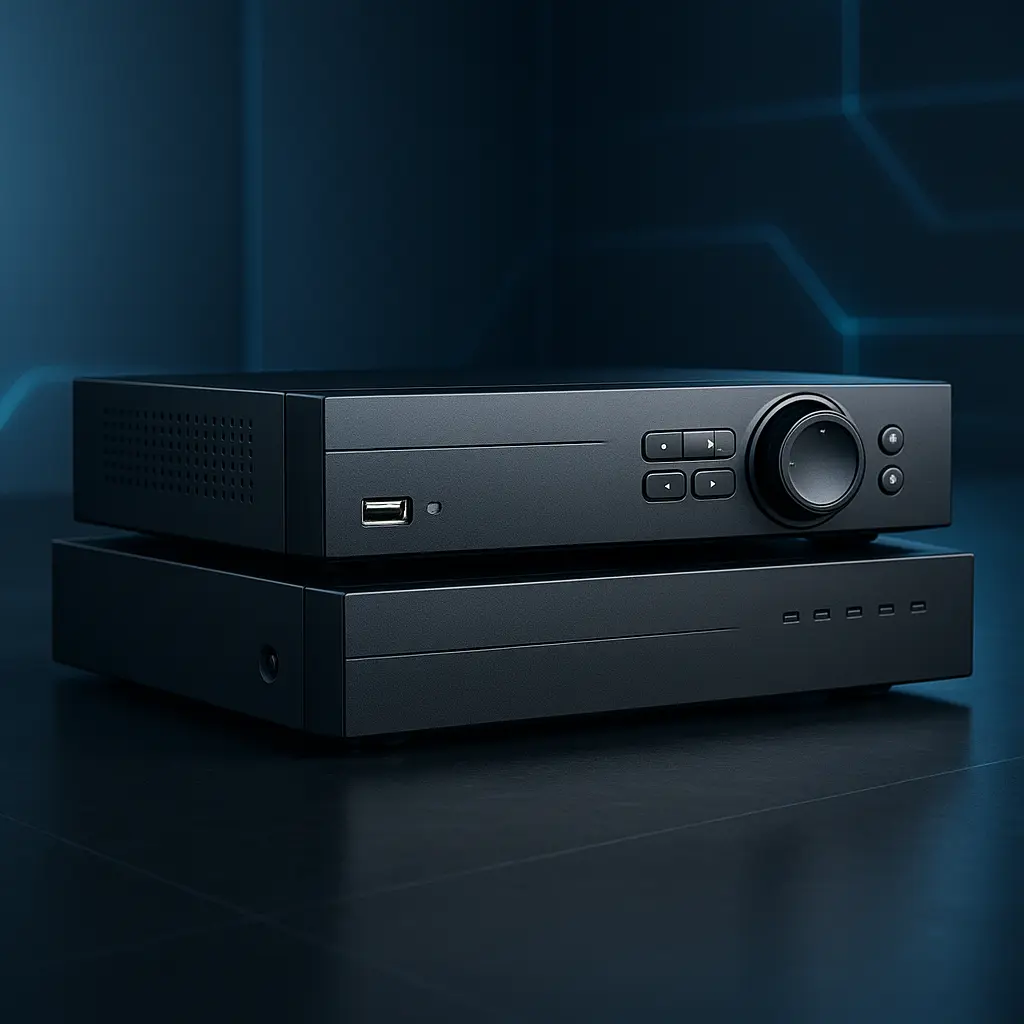

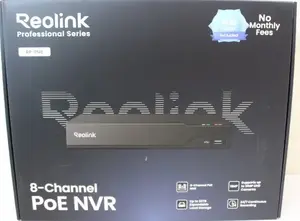
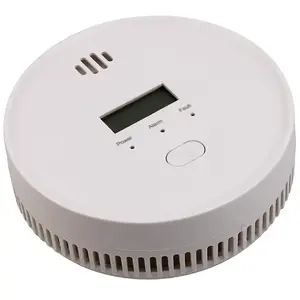
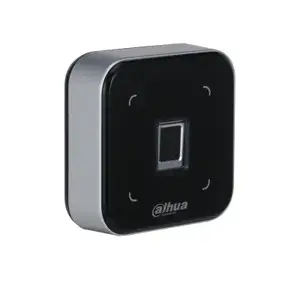
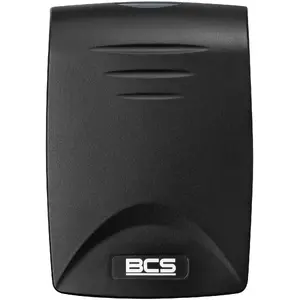
Security systems are integrated sets of devices and software designed to detect, deter, and report unauthorized entry, theft, fire, or other safety hazards in residential, commercial, and industrial environments. These systems combine sensors, control panels, communication modules, cameras, and user interfaces to monitor premises continuously or on demand, and to notify users or response services when predefined events occur. They are selected for properties that require perimeter protection, access control, video surveillance, environmental monitoring, or alarm reporting, and are used in single-family homes, apartments, retail stores, offices, warehouses, and public buildings. Installation can be wired, wireless, or hybrid, and configurations range from simple alarm kits to complex networked solutions that integrate with building automation and emergency services. Users choose security systems based on risk profile, required response time, regulatory requirements, and compatibility with existing infrastructure. Routine testing, proper device placement, and firmware updates are typical maintenance tasks to ensure continued reliability and effectiveness.
Types of Security systems
Common categories of security systems differ by function and technology used. Typical system types include:
- Intrusion alarm systems: door, window, motion sensors connected to a control panel that triggers audible and/or silent alarms.
- Video surveillance (CCTV) systems: analog or IP cameras with recording, live view, and remote access capabilities.
- Access control systems: electronic locks, card readers, biometric scanners and controllers to manage entry permissions.
- Fire and smoke detection systems: smoke detectors, heat sensors and notification devices complying with safety standards.
- Environmental monitoring: sensors for flood, gas leak, temperature and humidity for safety and asset protection.
- Integrated security platforms: solutions combining alarms, video, access control and analytics under centralized software.
What are Security systems used for?
Security systems are used to protect people, property and assets from unauthorized access, criminal activity, and hazardous conditions. They provide early detection of intrusion, fire, or environmental anomalies, enable remote monitoring and evidence collection via recorded video, enforce access policies at entrances, and facilitate coordinated response by notifying owners, security personnel or emergency services. In businesses they also support loss prevention, compliance with safety regulations, and operational oversight. Residential users rely on these systems for personal safety, theft deterrence and peace of mind, while industrial applications focus on asset protection, process safety and environmental risk management.
Key Differences between Security systems
Security systems differ by scope, technology, and performance characteristics. Important distinguishing factors include:
- Wired vs wireless: wired systems offer stable connectivity and power but require cabling; wireless systems simplify installation but depend on signal reliability and battery maintenance.
- Local vs cloud management: local systems store data on-site and operate without internet; cloud-managed systems provide remote access, updates and off-site backup but depend on network connectivity.
- Analog vs IP video: analog CCTV is cost-effective for basic recording; IP cameras deliver higher resolution, advanced analytics and easier network integration.
- Automated analytics: some systems include motion detection, facial recognition, license plate reading or behavior analytics, which affect privacy considerations and processing requirements.
- Scalability and integration: solutions vary in the number of devices supported and ability to integrate with third-party building systems and services.
How to Choose Security systems?
Selecting a security system requires assessing site-specific needs, budget and regulatory constraints. Key steps include:
- Define objectives: identify threats to mitigate (intrusion, fire, environmental risk) and required outcomes such as notification, recording, or access logging.
- Survey the site: evaluate layout, entry points, coverage areas, lighting and network availability to determine sensor and camera placement.
- Choose technologies: decide between wired or wireless devices, analog or IP cameras, and local or cloud management based on reliability and maintenance preferences.
- Check compliance and interoperability: ensure devices meet applicable safety standards and can integrate with existing systems like building management or alarm monitoring services.
- Plan for maintenance and expansion: consider battery life, firmware update processes, storage needs for recordings, and the ability to scale the system in the future.
- Compare warranties and support: evaluate manufacturer warranties, technical support options and available professional installation or commissioning services.


