Save time and money with our discounts!

{{ totalProductsCount }}
In cart {{totalProductsCount}} item(s)
In cart {{totalProductsCount}} item(s)
Total:
{{sum | formatAmount}}
Your cart is empty
Binoculars
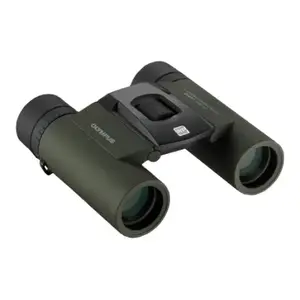
OM Digital Solutions
Binoculars Olympus 8x25 WP II BaK-4 Green Magnification 8x
Delivery: 11.11.2026
108.99 €
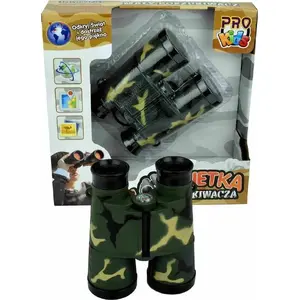
Pro Kids
Binoculars Pro Kids model 329446 by Pro Kids — children's compact exploration binoculars
Delivery: 11.11.2026
10.49 €
Fast shipping
Excellent choice
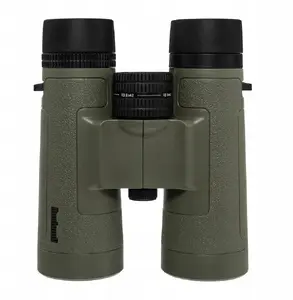
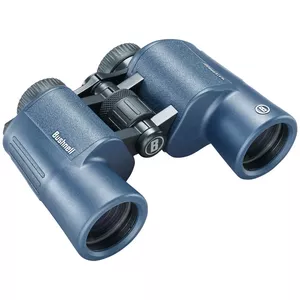
BUSHNELL
Binoculars BUSHNELL Banner R3 8x42 — 8x magnification, 42 mm objective
Delivery: 11.11.2026
128.49 €
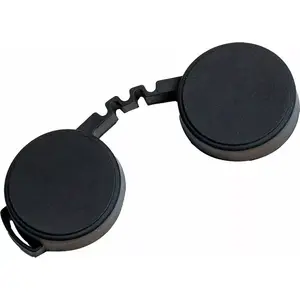
Focus Optics
Eyepiece cover Focus Optics dual 35.5 mm – protective cap for binoculars and telescopes
Delivery: 11.11.2026
6.49 €
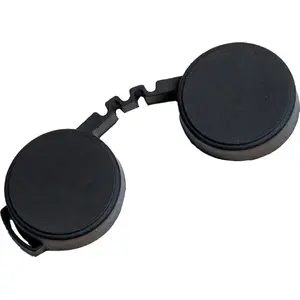
Focus Optics
Eyepiece cover Focus Optics dual 42mm — protective cap for binoculars and spotting scopes
Delivery: 11.11.2026
6.99 €
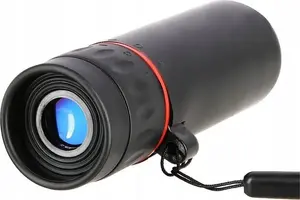
nils extreme
Monocular Nils Extreme NC1721 Nils Camp — compact optical monocular for observation
Delivery: 11.11.2026
8.49 €
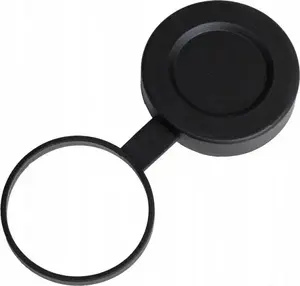
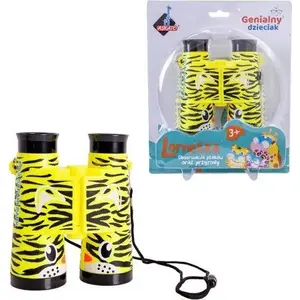
ASKATO
Binoculars ASKATO Askato Lornetka model 367063 — compact optical viewing device
Delivery: 11.11.2026
9.49 €

focus
Floating Strap for Binoculars and Optics, focus Sport Optics Floating Strap
Delivery: 11.11.2026
10.49 €
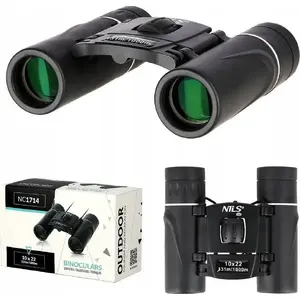
nils extreme
Binoculars nils extreme NC1714 — compact field binoculars by nils extreme
Delivery: 06.11.2026
13.99 €
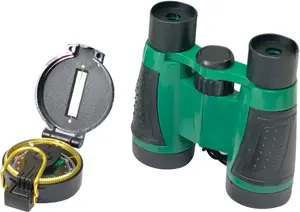
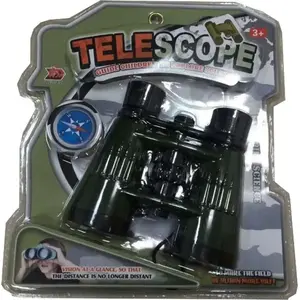
explorer
Explorer Nature Explore Binocular with Compass — Compact Outdoor Field Binoculars
Delivery: 11.11.2026
13.99 €
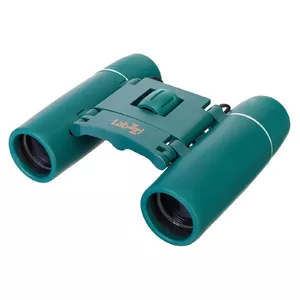
Levenhuk
Binoculars Levenhuk LabZZ B4, roof prism, 8x magnification, 21 mm objective, green
Delivery: 11.11.2026
15.49 €
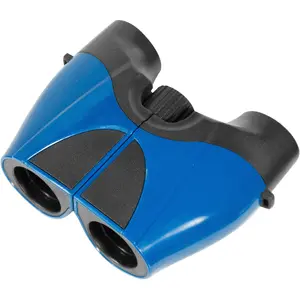
D-Fruit
Binoculars D-Fruit Junior Optics 8x21 – 8× magnification, 21 mm objective lenses, compact design
Delivery: 04.11.2026
19.49 €
Fast delivery available
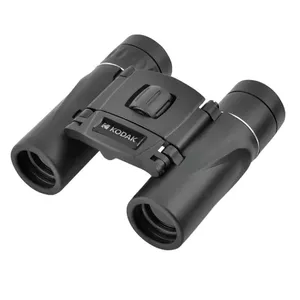
Kodak
Binoculars Kodak BCS200 Magnification 8x Objective Diameter 2.1 cm
Delivery: 11.11.2026
20.49 €
Fast shipping
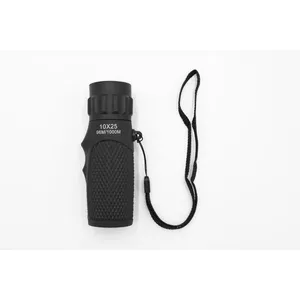
Technaxx
Monocular Technaxx TX-176 10x Black 35mm Width 109mm Height 82g Weight
Delivery: 11.11.2026
21.99 €
Binoculars are optical instruments consisting of two aligned telescopes mounted side-by-side to provide a single stereoscopic image. They are used to magnify distant objects and improve visual detail while maintaining depth perception. Typical uses include nature observation, birdwatching, hiking, sports viewing, and basic marine or astronomical spotting where portability and ease of use are important. Users choose binoculars for scenarios that require clearer long-distance viewing without the complexity of single-lens telescopes or electronic zoom systems. Common designs balance magnification, objective lens size, optical coatings, weight, and field of view to match different activities and user needs.
Types of Binoculars
Binoculars are produced in several common optical designs and formats that suit different uses and handling preferences.
- Porro prism binoculars — traditional design with offset barrels, generally offering good depth perception and cost-effective optical performance.
- Roof prism binoculars — straight-barrel design that is more compact and often more rugged for field use and travel.
- Zoom binoculars — variable magnification models that allow changing the level of zoom, trading some optical quality for versatility.
- Compact and pocket binoculars — small, lightweight models with lower objective lens diameter for easy carrying and travel.
- Waterproof/roof-sealed binoculars — models with sealed housings and nitrogen or argon filling to resist fogging and moisture for marine or wet-weather use.
- Specialized binoculars — models optimized for low-light (large objective), astronomy, marine range-finding, or image stabilization.
What are Binoculars used for?
Binoculars serve to magnify and clarify distant subjects across a range of everyday and recreational activities.
- Wildlife and birdwatching — to observe animals and birds at a distance without disturbance.
- Hiking and outdoor recreation — to scan terrain, identify landmarks, and enhance safety and enjoyment.
- Sports and events — to view action on fields or stages from remote seating.
- Marine navigation and boating — to sight buoys, shorelines, and other vessels with weather-resistant designs.
- Astronomy basics — to observe the moon, star clusters, and large celestial objects with wide-field binoculars.
- Surveillance and inspection — to examine structures, rooftops, or distant objects where hands-free or quick pointing is needed.
Key Differences between Binoculars
Binocular models differ by optical configuration, magnification, light-gathering ability, and physical characteristics that affect performance and suitability.
- Magnification (e.g., 8x, 10x) — higher magnification brings objects closer but reduces field of view and can amplify hand shake.
- Objective lens diameter (e.g., 25mm–50mm) — larger diameters gather more light and improve low-light performance but increase size and weight.
- Field of view — the width of visible scene at a given distance; wider fields are better for tracking moving subjects.
- Prism type (Porro vs. Roof) — affects optical path, size, alignment tolerance, and sometimes cost and image characteristics.
- Optical coatings — anti-reflective and phase-correction coatings improve contrast, brightness, and color fidelity.
- Build features — waterproofing, fog-proofing, rubber armoring, and focus mechanisms influence durability and ease of use.
How to Choose Binoculars?
Choosing binoculars requires matching optical specifications and physical features to intended use, budget, and handling preferences.
- Define primary use — birdwatching, travel, marine, astronomy, or sports to prioritize magnification, aperture, and ruggedness.
- Balance magnification and stability — 8x to 10x is common for handheld use; higher magnification often needs a tripod.
- Consider objective diameter for light conditions — larger diameters (40mm–50mm) help in low light; compact models (20mm–30mm) trade brightness for portability.
- Check optical coatings and prism type — fully multi-coated optics and quality prisms yield better image clarity and contrast.
- Assess physical features — weight, size, waterproofing, eyecup type, and focus mechanism affect comfort during extended use.
- Try before buying when possible — test eye relief (important for eyeglass wearers), focus speed, and field of view to ensure suitability.
Why is it worth buying binoculars at AiO.lv?
At the AiO.lv online store, you can place an order at a great price with delivery across Latvia — to Riga, Daugavpils, Liepaja, Jurmala, Ventspils, and other cities, as well as throughout Europe. We offer products from leading manufacturers: Canon, HAMA, NIKON, OLYMPUS, PENTAX, Ricoh, BRAUN, Kodak, OEM, BUSHNELL, Celestron, Praktica, Bilora, DENVER, Kenko, Technaxx, Viking, focus, Braun Photo Technik, LANCOME. When you shop with us, you get:
- official warranty and guaranteed quality;
- convenient payment options (including installment and credit);
- fast and reliable delivery across Latvia and to any EU country.
FAQ
Where can you find a binoculars with cheap prices?
You can buy cheaper at the AiO.lv online store. We offer competitive prices and regular discounts, so you always have the chance to find a great deal.
What is the delivery time for binoculars?
If you place your order today, delivery will take between 1 and 5 business days depending on the chosen method.
How long is the warranty period for binoculars?
Our store provides an official manufacturer’s warranty ranging from 12 to 36 months, depending on the model and brand. If needed, you can always contact our customer service department or the manufacturer’s authorized service center for support.
Are binoculars purchasable with leasing?
Yes, if the selected product costs more than €50. You can learn more about installment purchase options and the terms of application on the Payment page.
Can binoculars be purchased for a company (with VAT)?
Yes. AiO.lv works with legal entities in Latvia and throughout Europe. All product prices are shown with VAT included. In certain cases, a 0% VAT rate may apply — for example, when purchasing from other EU countries with a valid VAT number. We issue an invoice immediately after the order is placed, support BIS electronic invoices, and automatically generate all required accounting documents. To complete a purchase for a company, simply select the company profile during checkout.

14-Day Return Policy
We are confident in our quality, but if the purchase doesn’t fit — you have 14 days to return the product with peace of mind.

Fast Delivery
Get your orders as quickly as possible — right to your door, parcel lockers, or pickup points across Latvia and the EU.

Secure Payment
Pay the way you prefer: cash, VISA, MasterCard, Apple Pay, Google Pay, bank transfer, or 0% installment plan.

Quality Since 2008
AiO.lv has been on the market for over 18 years and has earned trust — with more than 6000 genuine positive reviews on Google.