Save time and money with our discounts!

{{ totalProductsCount }}
In cart {{totalProductsCount}} item(s)
In cart {{totalProductsCount}} item(s)
Total:
{{sum | formatAmount}}
Your cart is empty
Markdown Network Transceiver Modules
Renew

Renew
Renew
Cisco
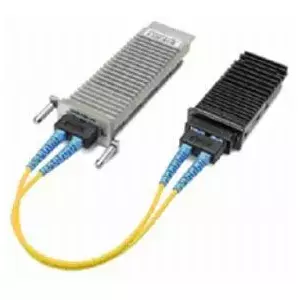
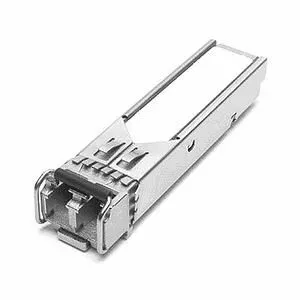
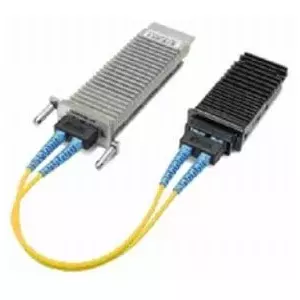
Optical Transceiver Module Cisco X2-10GB-LR-RFB 10Gbps 1310nm X2 form factor
Delivery: 23.11.2026
9.49 €
Renew
HP Enterprise
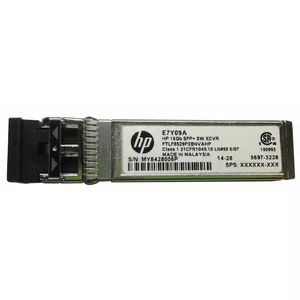
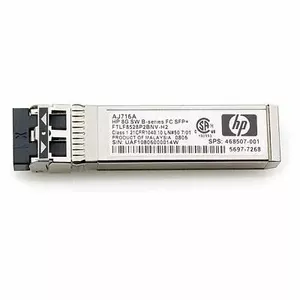
Hewlett Packard Enterprise SFP 8Gb Fc Short Wave B Series
Delivery: 23.11.2026
11.99 €
Renew
Renew
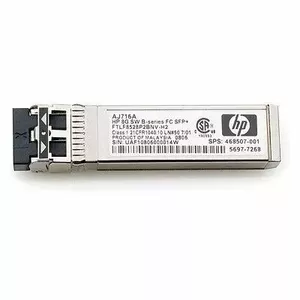
HP Enterprise
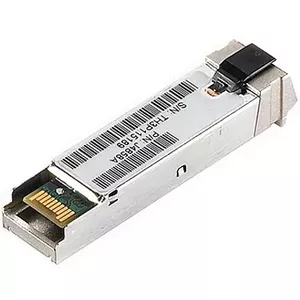
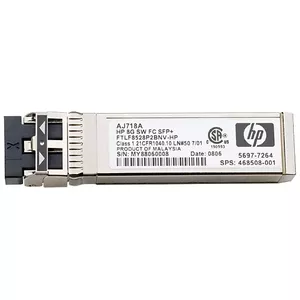
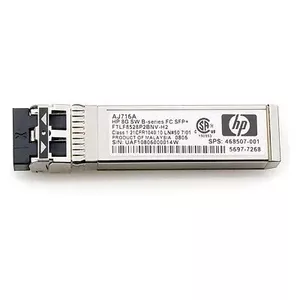
Fibre Channel SFP+ transceiver module HP Enterprise AJ716B-RFB 8Gb shortwave
Delivery: 23.11.2026
13.49 €
Renew
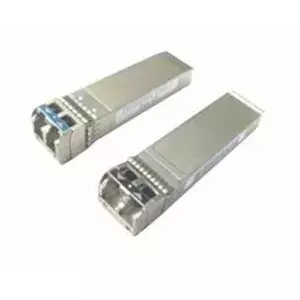
Renew
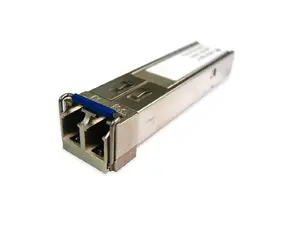
Brocade
Network transceiver Brocade 10GB SR SFP+ module 10G-SFPP-SR-RFB for short-range multimode fiber
Delivery: 30.10.2026
16.99 €
Renew
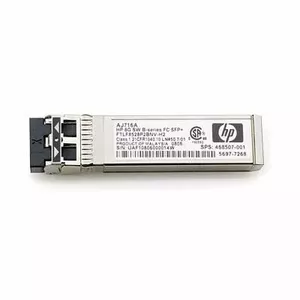
HP Enterprise
SFP Transceiver HP Enterprise QK724A-RFB 16Gb Fibre Channel
Delivery: 30.10.2026
16.99 €
Renew
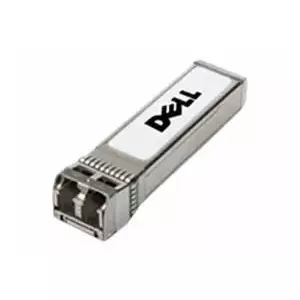
Dell
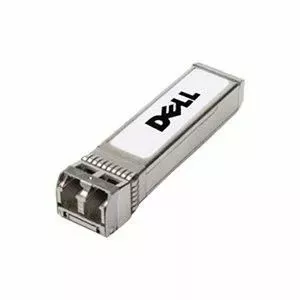
SFP Module Dell 10GB Multimode 407-BBOU-RFB — 10Gbps multimode fiber transceiver
Delivery: 30.10.2026
18.99 €
Renew
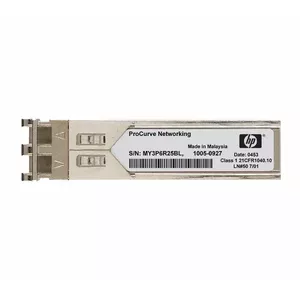
HP Enterprise
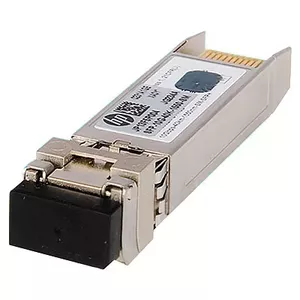
Network transceiver module HP Enterprise X130 10G SFP+ LC SR
Delivery: 30.10.2026
19.99 €
Renew
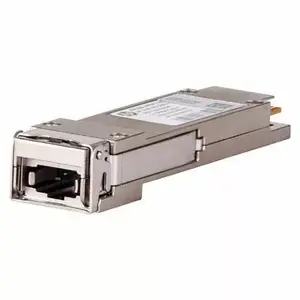
Network transceiver modules are modular hardware components that convert electrical signals to optical or other forms and back, enabling data transmission between network devices. They are designed for use in switches, routers, servers, and media converters to provide standardized interfaces for fiber or copper links. These modules are chosen when networks require flexible physical-layer connectivity, upgradeable interfaces, or hot-swappable media options for varying distances and speeds. Typical use cases include enterprise LAN uplinks, data center interconnects, telecom aggregation, and fiber-to-the-building or campus links where specific wavelengths, reach, or connector types are required. Buyers select transceiver modules to match port types, cable plant, and speed requirements while ensuring compatibility with the host equipment. Proper selection reduces downtime, supports network design requirements, and allows predictable signal performance across different media types.
Types of Network transceiver modules
Common types of transceiver modules vary by form factor, media and speed. Typical listings include:
- SFP (Small Form-factor Pluggable): single-channel modules for 1 Gbit/s links and some higher-speed variants.
- SFP+ and SFP28: enhanced SFP variants supporting 10 Gbit/s and 25 Gbit/s respectively.
- QSFP, QSFP+ and QSFP28: quad small form-factor modules aggregating four lanes for 40 Gbit/s and 100 Gbit/s links.
- XFP and CFP families: larger form factors for high-speed metro and long-haul applications.
- GBIC and legacy copper transceivers: older modular types and modules specifically for RJ45/copper connections.
- Passive and active DAC/AOC cables: direct-attach copper or active optical assemblies that act as fixed transceivers for short-reach interconnects.
What are Network transceiver modules used for?
Network transceiver modules provide the physical interface between networking equipment and cabling, converting electrical signals to optical signals or vice versa. They enable connectivity across different media (single-mode fiber, multi-mode fiber, copper) and support extension of link distance, higher bandwidth, or specific wavelength requirements. Use cases include linking switches within racks, connecting data center switches across aisles, telecom links between sites, and attaching routers to optical transport equipment. They also allow customization of network ports without replacing entire line cards or chassis, facilitating upgrades and maintenance.
Key Differences between Network transceiver modules
Key differences among transceiver modules include speed, reach, media type, form factor, and compatibility. Speed defines supported data rates (e.g., 1G, 10G, 25G, 40G, 100G). Reach specifies distance capability and depends on media and optical power (short-reach multimode, long-reach single-mode, or DWDM variants). Media type covers single-mode fiber, multi-mode fiber, and copper. Form factor determines physical compatibility with ports (SFP, QSFP, etc.). Additional differences include connector type (LC, SC, RJ45), wavelength and duplexity, and whether modules are digital diagnostic ready (DDM/DOM). Vendor locking and firmware compatibility can also affect interchangeability between equipment from different manufacturers.
How to Choose Network transceiver modules?
Selecting a transceiver module requires matching technical and operational requirements to ensure proper function:
- Confirm host equipment compatibility: check supported form factors and any vendor-specific restrictions.
- Match the required speed and duplex mode to the port and link design.
- Choose the correct media type and reach: single-mode for long distances, multi-mode for short distances, specify required fiber type (OM3/OM4) if relevant.
- Verify connector type and cable polarity to match existing cabling and patch panels.
- Consider additional features: digital diagnostics (DDM/DOM), wavelength for DWDM systems, temperature range for outdoor use, and power consumption.
- For short, high-density links evaluate DAC or AOC options for cost and latency advantages.
- Keep spares and document part numbers and serials to simplify maintenance and replacements.
Which markdown network transceiver modules are the most popular and affordable in 2026?
The full list of popular models at affordable prices is available on this page. In 2026, the following models show high demand and an excellent price-to-quality ratio:
- Repotec XL-MTB-SR= SFP Transceiver Module for 29.99€
- PLANET MGB-GT Network Transceiver Module SFP 1000 Mbit/s for 33.49€
- TP-Link Omada 10Gbase-SR SFP+ LC Transceiver, 850nm Multi-mode, LC Duplex Connector, Up to 300m Distance for 35.99€
- TP-Link Omada SFP 1000BASE-SX LC MiniGBIC Fiber Optic Transceiver Module 1250 Mbit/s for 37.49€
- TP-Link Omada 1M Direct Attach SFP+ Cable for 10 Gigabit Connections, 1 m, DAC, SFP+ to SFP+ for 39.49€
Why is it worth buying markdown network transceiver modules at AiO.lv?
At the AiO.lv online store, you can place an order at a great price with delivery across Latvia — to Riga, Daugavpils, Liepaja, Jurmala, Ventspils, and other cities, as well as throughout Europe. We offer products from leading manufacturers: allied telesis, Cisco, D-Link, Dell, EnGenius, FUJITSU, HP, IBM, INTEL, Lenovo, Netgear, NVIDIA, Panasonic, PLANET, TRENDNET, Zyxel, DIGITUS, LOGILINK, OEM, Supermicro. When you shop with us, you get:
- official warranty and guaranteed quality;
- convenient payment options (including installment and credit);
- fast and reliable delivery across Latvia and to any EU country.
FAQ
Where can you find a markdown network transceiver modules with cheap prices?
You can buy cheaper at the AiO.lv online store. We offer competitive prices and regular discounts, so you always have the chance to find a great deal.
What is the delivery time for markdown network transceiver modules?
If you place your order today, delivery will take between 1 and 5 business days depending on the chosen method.
How long is the warranty period for markdown network transceiver modules?
Our store provides an official manufacturer’s warranty ranging from 12 to 36 months, depending on the model and brand. If needed, you can always contact our customer service department or the manufacturer’s authorized service center for support.
Are markdown network transceiver modules purchasable with leasing?
Yes, if the selected product costs more than €50. You can learn more about installment purchase options and the terms of application on the Payment page.
Can markdown network transceiver modules be purchased for a company (with VAT)?
Yes. AiO.lv works with legal entities in Latvia and throughout Europe. All product prices are shown with VAT included. In certain cases, a 0% VAT rate may apply — for example, when purchasing from other EU countries with a valid VAT number. We issue an invoice immediately after the order is placed, support BIS electronic invoices, and automatically generate all required accounting documents. To complete a purchase for a company, simply select the company profile during checkout.


