A curated selection of maximum value offers!

{{ totalProductsCount }}
In cart {{totalProductsCount}} item(s)
In cart {{totalProductsCount}} item(s)
Total:
{{sum | formatAmount}}
Your cart is empty
Power Inverters
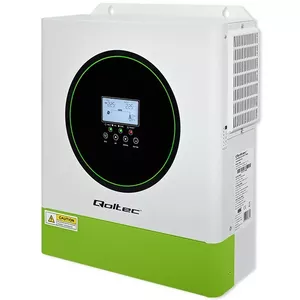
QOLTEC
Hybrid solar inverter QOLTEC 53865 3500W with Wi‑Fi, 3500 W continuous output
Delivery: 02.11.2026
262.49 €
Fast delivery available
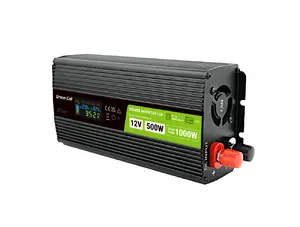
Green Cell
Green Cell PowerInverter LCD 12V 500W/1000W Car Inverter Pure Sine Wave with Display and AC Outlet
Delivery: 06.11.2026
57.99 €
Get it Today
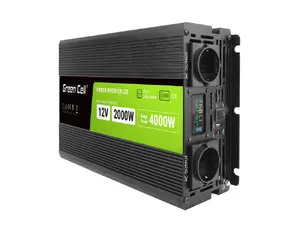
Green Cell
Car inverter Green Cell INVGC12P2000LCD 2000W 12V to 230V pure sine wave, LCD, 1×USB, 2×aux
Delivery: Today
159.99 €
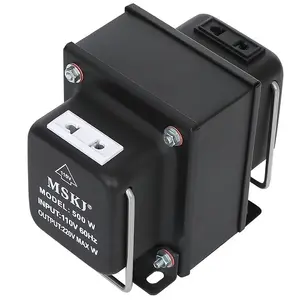
extra digital
Voltage transformer extra digital NV823086 — 110VAC↔220VAC, 500W step-up/step-down
Delivery: 30.10.2026
23.49 €
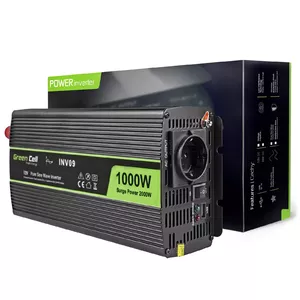
Green Cell
Power inverter Green Cell INV09 1000 W 12 V to 230 V DC-to-AC, Type C output, black
Delivery: 06.11.2026
96.99 €
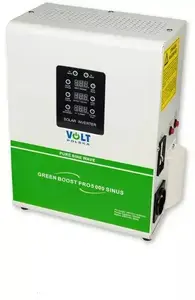
Volt
Inverter Volt GREEN BOOST PRO 5000 SINUS BYPASS — 5000 W pure sine, bypass function
Delivery: 06.11.2026
332.99 €
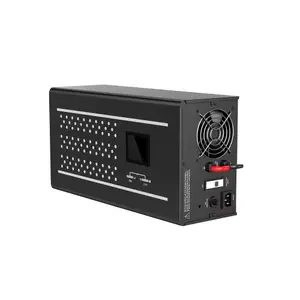
Inverter 600W Pure Sine Wave UPS for Heating Systems — professional backup power
Delivery: 30.10.2026
220.00 €
Fast delivery available
Excellent choice
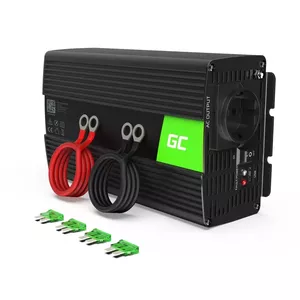
Green Cell
Power inverter Green Cell INV08 outdoor 1000 W, 12 V DC to 230 V AC, black
Delivery: 03.11.2026
50.99 €
Fast shipping
You save: 112.00 €
Deye
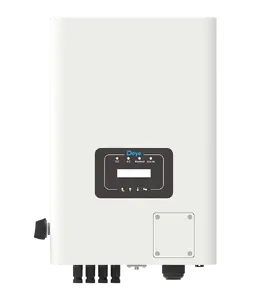
Deye SUN-20K-G05 On-Grid Inverter 20kW Three-Phase 2 MPPT Max Efficiency 98.5% Max PV Input Voltage 1100V
Delivery: Tuesday
956.49 €
844.49 €
The discount is valid from 25.09.2026 to 23.10.2026
Fast shipping
You save: 106.50 €
Deye
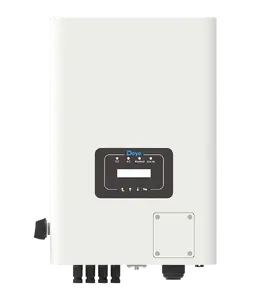
Deye SUN-25K-G05 Three-Phase On-Grid Solar Inverter 25kW with 2 MPPT, 1100V Max PV Input Voltage, and 98.5% Max Efficiency
Delivery: Tuesday
1,042.99 €
936.49 €
The discount is valid from 25.09.2026 to 23.10.2026
New Arrival
No name
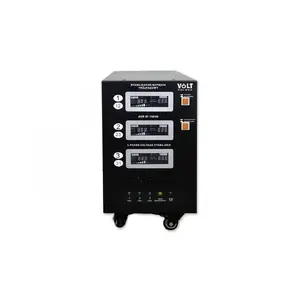
Three-Phase Voltage Stabilizer Volt Polska AVR PRO 15000 3% SERVO 3-F
Delivery: 02.11.2026
805.99 €
könner & söhnen
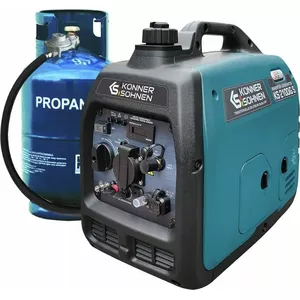
Könner & Söhnen KS 2100iG S Hybrid Inverter Generator 1.8kW 230V
Delivery: 06.11.2026
741.49 €
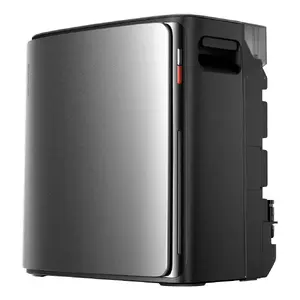
EcoFlow
Battery backup inverter EcoFlow STREAM Ultra X — 1200 W max input, 60 V DC input, IP65, black
Delivery: 06.11.2026
1,579.49 €
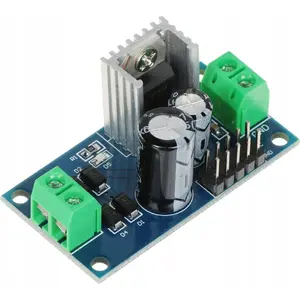
No name
Power Inverter Module No name PZD-L7809 — przetwornica zasilacza PZD-L7809
Delivery: 06.11.2026
4.49 €
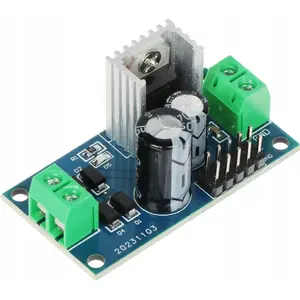
No name
Power Inverter Module No name PZD-L7806 – DC/AC converter module (PZD-L7806)
Delivery: 06.11.2026
4.49 €
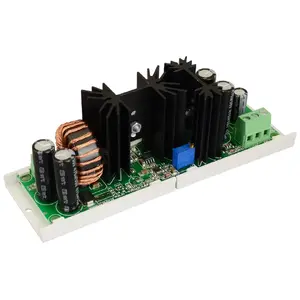
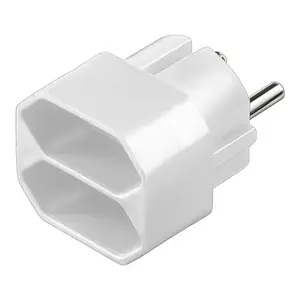

Mirage
Mirage R.W.D. 8 PWS (485002) — Mirage R.W.D. 8 PWS portable device, model 485002
Delivery: 06.11.2026
13.49 €
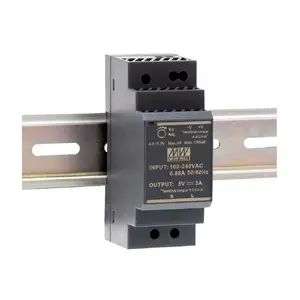
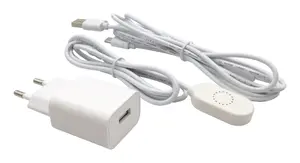
RealPower
Power adapter/inverter RealPower 511601 — Indoor, Input 100–240V 50/60Hz, Cable 1.6m
Delivery: 06.11.2026
15.99 €
Power inverters are electronic devices that convert direct current (DC) from batteries or solar panels into alternating current (AC) compatible with household and commercial equipment. They are used where AC mains power is unavailable or unreliable, enabling the operation of appliances, tools, lighting, and electronic devices from DC sources. Typical applications include mobile and off-grid power systems, backup power for brief outages, renewable energy installations, and vehicle-mounted equipment. Users select inverters based on required output voltage and waveform, continuous and peak power ratings, and compatibility with the DC source and load types. Installation options range from compact plug-in models to hardwired units for stationary systems, and many inverters include protection features such as overload, short-circuit, over-temperature, and low-voltage shutdown. Understanding technical specifications and intended use cases helps match an inverter to performance needs and safety requirements.
Types of Power Inverters
Common inverter types differ by waveform, mounting, and functionality.
- Modified Sine Wave Inverters: Produce a stepped waveform suitable for resistive loads and many simple electronic devices.
- Pure Sine Wave Inverters: Provide a smooth AC waveform compatible with sensitive electronics, motors, and audio/video equipment.
- Grid-Tie Inverters: Designed to synchronize with utility grid frequency and voltage for solar and renewable systems.
- Hybrid Inverters: Combine inverter and charge-controller or energy-management functions for battery and PV systems.
- Portable and Corded Inverters: Small, plug-in models for vehicle use and temporary power; available as 12 V, 24 V, or 48 V variants.
- Stationary and Rack-Mount Inverters: Larger units for home backup, off-grid systems, and industrial installations.
What are Power Inverters used for?
Power inverters enable AC-powered devices to run from DC sources in a variety of contexts.
- Backup and emergency power during mains outages for essential appliances and medical equipment (within inverter capacity limits).
- Off-grid energy systems paired with batteries and solar panels to supply homes, cabins, and remote equipment.
- Vehicle and marine applications to power tools, laptops, and domestic appliances from vehicle batteries.
- Renewable energy installations where inverters convert solar-generated DC into AC for local consumption or grid export.
- Portable power for outdoor activities, fieldwork, and temporary job sites requiring AC tools and chargers.
Key Differences between Power Inverters
Differences among inverters affect performance, suitability, and safety.
- Waveform Quality: Pure sine wave vs. modified sine wave — impacts compatibility with sensitive electronics and motor-driven devices.
- Power Rating: Continuous power rating and surge (peak) capacity determine what loads the inverter can support.
- Input Voltage and Topology: Match to battery bank voltage (12 V, 24 V, 48 V) and whether the inverter supports DC coupling with solar arrays.
- Efficiency and Thermal Management: Higher efficiency reduces energy losses; cooling method (fan or passive) affects noise and installation environment.
- Protections and Certifications: Built-in safety features, compliance with electrical standards, and protection against overload, short circuit, and undervoltage.
- Grid-Compatibility: Grid-tie and anti-islanding features are required for systems that interact with the utility grid.
How to Choose Power Inverters?
Selecting an inverter requires matching specifications to the intended application and loads.
- Calculate Load Requirements: Sum continuous and peak power of devices to determine required inverter capacity and surge capability.
- Choose Waveform According to Devices: Use pure sine wave inverters for sensitive electronics, motors, and appliances with electronic controls.
- Match Input Voltage and Battery System: Ensure the inverter supports the DC voltage of the battery bank and charging equipment.
- Consider Efficiency and Thermal Features: Higher efficiency and appropriate cooling improve reliability and reduce battery drain.
- Check Protections and Compliance: Verify built-in protections and relevant safety or grid interconnection certifications for your region.
- Plan Installation and Expansion: Account for mounting, wiring, ventilation, and future capacity increases when selecting form factor and ratings.
Which power inverters are the most popular and affordable in 2026?
The full list of popular models at affordable prices is available on this page. In 2026, the following models show high demand and an excellent price-to-quality ratio:
- Three-Phase Voltage Stabilizer Volt Polska AVR PRO 15000 3% SERVO 3-F for 804.49€
- Deye SUN-20K-G05 On-Grid Inverter 20kW Three-Phase 2 MPPT Max Efficiency 98.5% Max PV Input Voltage 1100V for 844.49€
- Deye SUN-25K-G05 Three-Phase On-Grid Solar Inverter 25kW with 2 MPPT, 1100V Max PV Input Voltage, and 98.5% Max Efficiency for 936.49€
Why is it worth buying power inverters at AiO.lv?
At the AiO.lv online store, you can place an order at a great price with delivery across Latvia — to Riga, Daugavpils, Liepaja, Jurmala, Ventspils, and other cities, as well as throughout Europe. We offer products from leading manufacturers: EUROCASE, ORVALDI, Philips, Siemens, SYNOLOGY, WENTRONIC, OEM, mean well, Duracell, HUAWEI, DAEWOO, PowerWalker, EATON, CYBERPOWER, MANTA, MikroTik, Lind, QOLTEC, AZO, Zebra. When you shop with us, you get:
- official warranty and guaranteed quality;
- convenient payment options (including installment and credit);
- fast and reliable delivery across Latvia and to any EU country.
FAQ
Where can you find a power inverters with cheap prices?
You can buy cheaper at the AiO.lv online store. We offer competitive prices and regular discounts, so you always have the chance to find a great deal.
What is the delivery time for power inverters?
If you place your order today, delivery will take between 1 and 5 business days depending on the chosen method.
How long is the warranty period for power inverters?
Our store provides an official manufacturer’s warranty ranging from 12 to 36 months, depending on the model and brand. If needed, you can always contact our customer service department or the manufacturer’s authorized service center for support.
Are power inverters purchasable with leasing?
Yes, if the selected product costs more than €50. You can learn more about installment purchase options and the terms of application on the Payment page.
Can power inverters be purchased for a company (with VAT)?
Yes. AiO.lv works with legal entities in Latvia and throughout Europe. All product prices are shown with VAT included. In certain cases, a 0% VAT rate may apply — for example, when purchasing from other EU countries with a valid VAT number. We issue an invoice immediately after the order is placed, support BIS electronic invoices, and automatically generate all required accounting documents. To complete a purchase for a company, simply select the company profile during checkout.


