
Dreame vacuums for fast and efficient cleaning!
In cart {{totalProductsCount}} item(s)
Your cart is empty
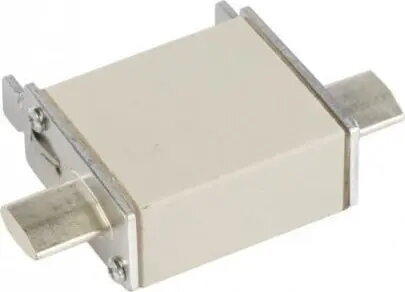
Fuse cartridge Etipo ETI Polam WT00C 004181212 gG 63A 500V combination slow-blow
Cartridge fuse Etipo ETI Polam WT00C 004181212 gG 63A 500V combination slow-blow is a time-delay general-purpose fuse designed for protection of electrical circuits and equipment in industrial and distribution panel environments. The gG characteristic provides full-range protection against overloads and short circuits while the combination slow-blow (KOMBI) design allows the fuse to withstand brief inrush currents from motors, transformers or capacitive loads without nuisance blowing. The compact cartridge form factor fits standard fuse holders and panel-mount fuse bases used in medium-power distribution systems.
This Etipo ETI Polam WT00C 63A 500V fuse combines reliable full-range protection with controlled time-delay behaviour to avoid unnecessary downtime caused by harmless start-up surges. Its combination slow-blow characteristic balances fast clearing of true faults with tolerance for short-duration current peaks. The cartridge construction ensures stable mechanical contact in typical industrial fuse holders and supports safe replacement during maintenance. Rated for 500 V, the fuse is suitable for a variety of single- and multi-phase installations within its current rating.
Select and install the cartridge fuse in a compatible fuse holder or panel base rated for the same current and voltage. Ensure the power is isolated and locked out before removal or replacement. Insert the fuse fully until secure contact is achieved and restore power following the facility’s safety procedures. After a fuse operation, identify and rectify the cause of the fault before replacing the fuse to avoid repeat failure.
Verify that the fuse rating matches the application load and the system voltage. For circuits with frequent start-stop duty or high inrush, the combination slow-blow characteristic helps reduce nuisance blows; however, where continuous overloads are expected, reassess circuit design or select appropriate overcurrent protection coordination to maintain system safety and reliability.
{{highlightedFeature.featureTitle}}:
{{getProductFeatureValueById(product, highlightedFeature.featureId)}}
{{ productComparisonGenerationError }}