

Filters you can trust. Pure water every day.
In cart {{totalProductsCount}} item(s)
Your cart is empty
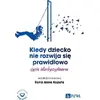
Book PZWL — Kiedy dziecko nie rozwija się prawidłowo (Polish edition) — clinical pediatrics guide
Clinical pediatrics guide "Kiedy dziecko nie rozwija się prawidłowo" (PZWL) is a Polish-language professional volume focused on identification, assessment and management of developmental disorders in infants and children. The book explains methods for recognizing delayed or atypical development, presents diagnostic approaches and differential diagnosis, and offers management principles alongside practical recommendations for clinicians and caregivers. Written for healthcare professionals, therapists and students, the guide concentrates on evidence-informed clinical practice in pediatric developmental assessment and intervention.
The book provides a structured clinical framework for assessing developmental delay and atypical patterns, combining theoretical background with practical case-based guidance. It gathers contemporary diagnostic methods and differential diagnostic considerations in one volume and emphasizes practical management strategies that can be applied in outpatient and inpatient settings. The Polish-language text supports clinicians working with Polish-speaking families and includes recommendations for communication with caregivers and coordination of multidisciplinary care.
Use the guide as a reference during clinical assessment and when forming differential diagnoses for developmental concerns. Consult the sections on assessment methods to select appropriate screening and diagnostic tools, and follow the management principles when planning interventions and referrals. The book can be read cover-to-cover for comprehensive training or used selectively to review specific topics such as motor delay, speech and language disorders, or multisystem developmental conditions.
Integrate the guide into clinical practice by combining its recommendations with local protocols and multidisciplinary input. Use it alongside current screening instruments and evidence-based intervention resources, and refer to specialist services when complex or progressive conditions are suspected.
{{highlightedFeature.featureTitle}}:
{{getProductFeatureValueById(product, highlightedFeature.featureId)}}
{{ productComparisonGenerationError }}