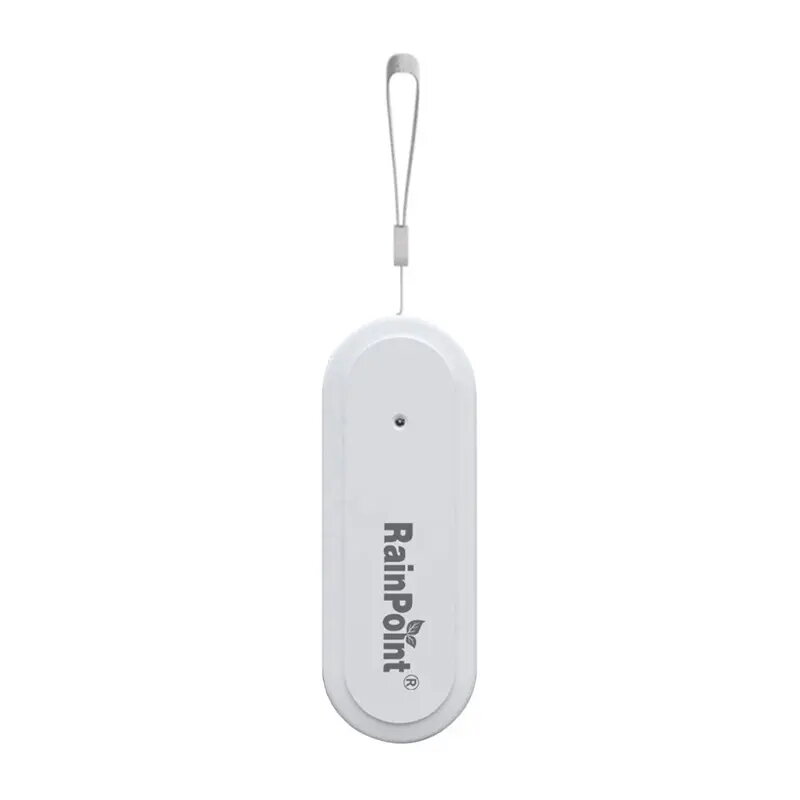
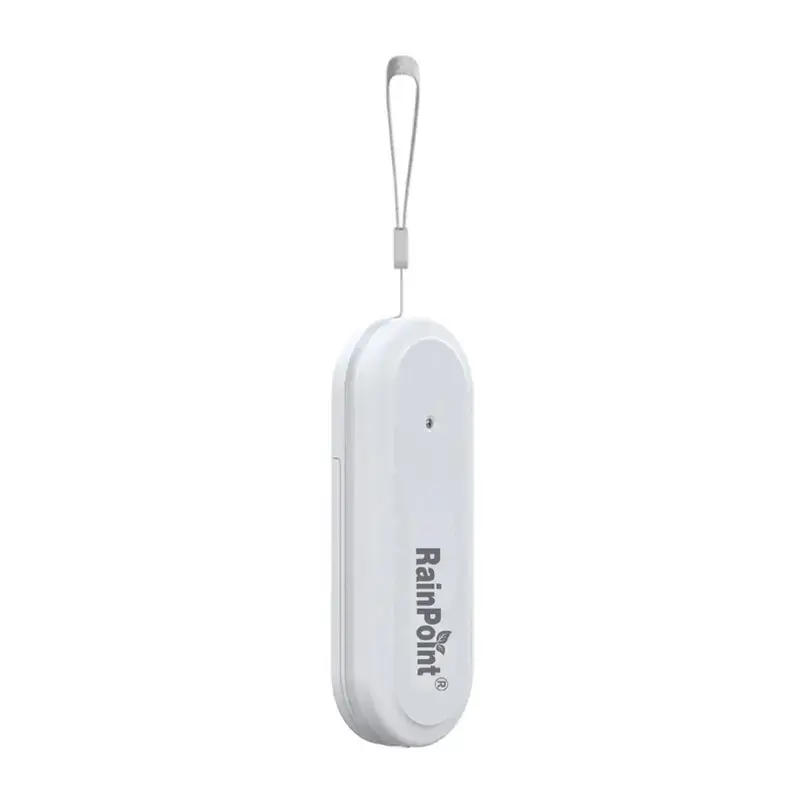
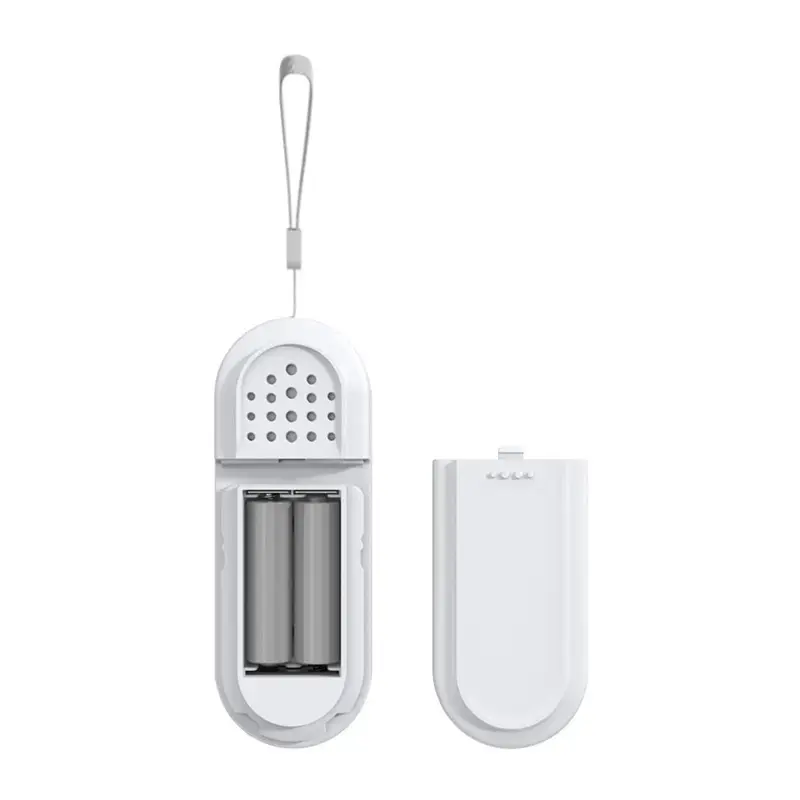
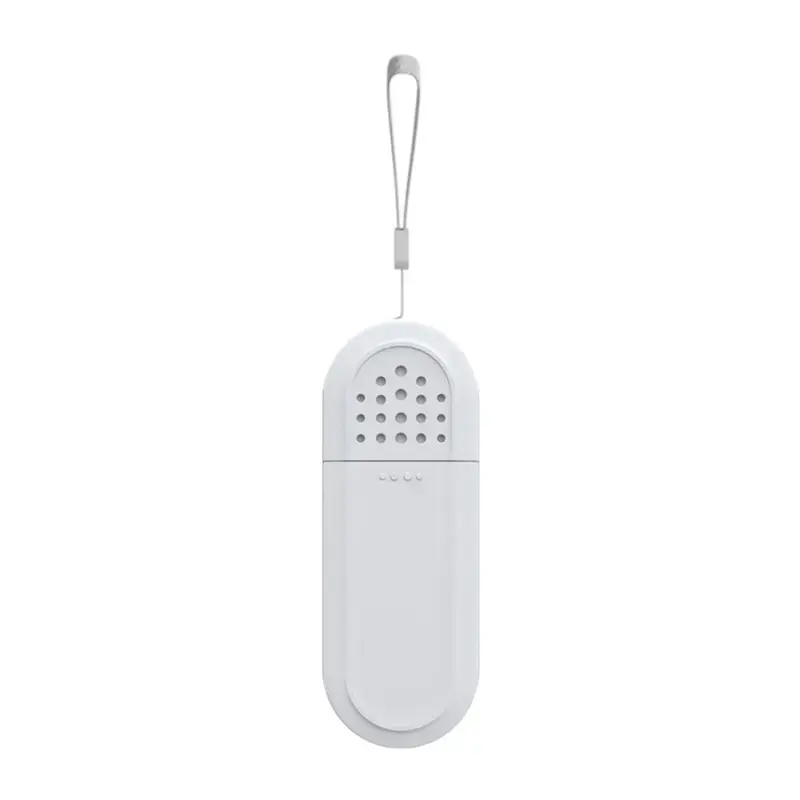
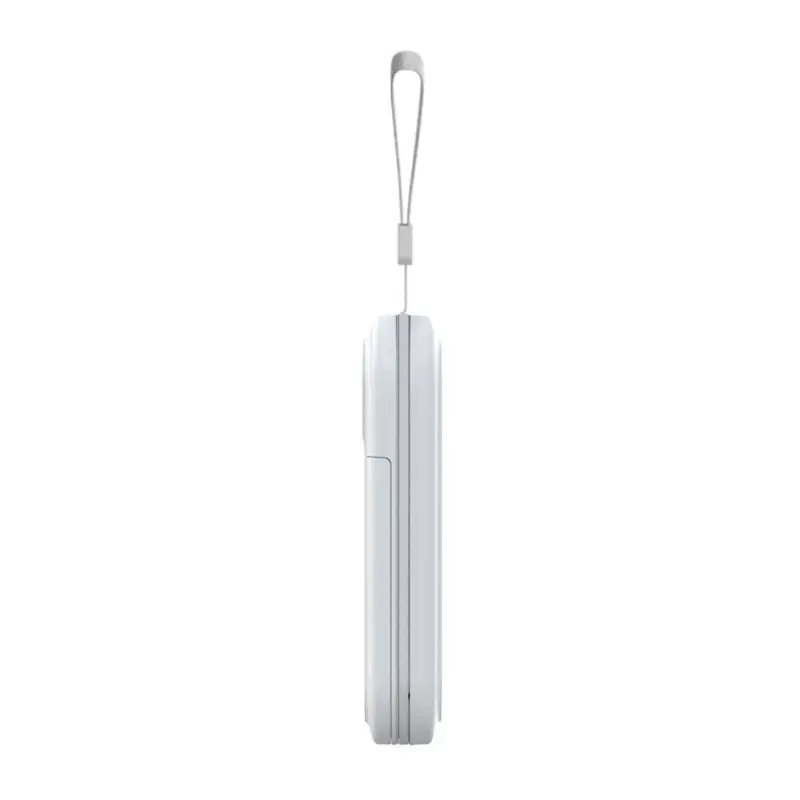
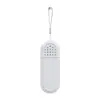
In this comparison, the Thermohygrometer RainPoint Rainpoint Smart+ HCS014ARF temperature and humidity sensor is evaluated alongside alternative devices from the same brand: the Solar Irrigation Kit RainPoint IK15P solar-powered irrigation kit, the Water flow meter RainPoint ICS018 digital water flow meter, the Rain sensor RainPoint Rain Sensor model ICS044L rain sensor, the Irrigation controller RainPoint ITV121 irrigation controller, and the Garden hose splitter RainPoint ICD047 hose splitter. All presented devices belong to the garden and smart home equipment category, yet their primary purpose differs: the Thermohygrometer RainPoint Rainpoint Smart+ HCS014ARF focuses on environmental monitoring and smart home integration, whereas alternative solutions are designed for physical irrigation management, water consumption tracking, and hose connection.
⚙️ Below is a comparison of technical characteristics and the intended purpose of each device, including device type, supported usage scenarios, and practical differences in real-world conditions.
| Parameter | Thermohygrometer RainPoint Rainpoint Smart+ HCS014ARF | Solar Irrigation Kit RainPoint IK15P | Water flow meter RainPoint ICS018 | Rain sensor RainPoint Rain Sensor model ICS044L | Irrigation controller RainPoint ITV121 | Garden hose splitter RainPoint ICD047 | Practical Conclusion |
|---|
| Device Type | Temperature and humidity sensor | Solar irrigation kit | Digital water flow meter | Rain sensor | Irrigation controller | Hose splitter | The devices serve fundamentally different purposes, ranging from environmental monitoring to water supply control. |
| Main Purpose | Environmental monitoring and smart home integration | Autonomous garden watering using solar energy | Water consumption measurement | Rain detection to pause irrigation | Automated scheduling of irrigation zones | Connecting one faucet to two hoses | The temperature and humidity sensor handles climate control, while the other devices support irrigation infrastructure. |
| Power Source / Autonomy | Not specified | Solar energy | Battery powered | Not specified | Not specified | Mechanical design | Power methods depend on device tasks: climate sensors and meters use batteries or integration, while watering kits rely on solar power. |
◎ The table below evaluates how well each product matches various user needs, gardening tasks, and climate control scenarios.
| Use Case | Recommended Product | Why |
|---|
| Climate control and smart home automation | Thermohygrometer RainPoint Rainpoint Smart+ HCS014ARF | Provides temperature and humidity data for environmental control and automation scenes. |
| Autonomous watering in locations without mains power | Solar Irrigation Kit RainPoint IK15P | Uses solar energy to operate an irrigation system in remote garden plots. |
| Water consumption tracking and leak detection | Water flow meter RainPoint ICS018 | Displays real-time and cumulative water flow for efficient irrigation management. |
| Preventing irrigation during rainfall | Rain sensor RainPoint Rain Sensor model ICS044L | Detects precipitation and signals the irrigation controller to pause watering to conserve water. |
| Automating watering schedules | Irrigation controller RainPoint ITV121 | Manages start times and run durations for consistent plant care. |
| Connecting two hoses to a single faucet | Garden hose splitter RainPoint ICD047 | Simplifies switching between hoses and managing multiple watering needs from one source. |
The choice between the Thermohygrometer RainPoint Rainpoint Smart+ HCS014ARF and alternative devices depends entirely on your specific objective. If you require precise environmental monitoring, greenhouse tracking, or smart home integration, the Thermohygrometer RainPoint Rainpoint Smart+ HCS014ARF is the ideal choice. Meanwhile, all other reviewed devices focus on mechanical or automated watering management, water measurement, and garden infrastructure organization, making them suitable for hands-on irrigation tasks around the property.