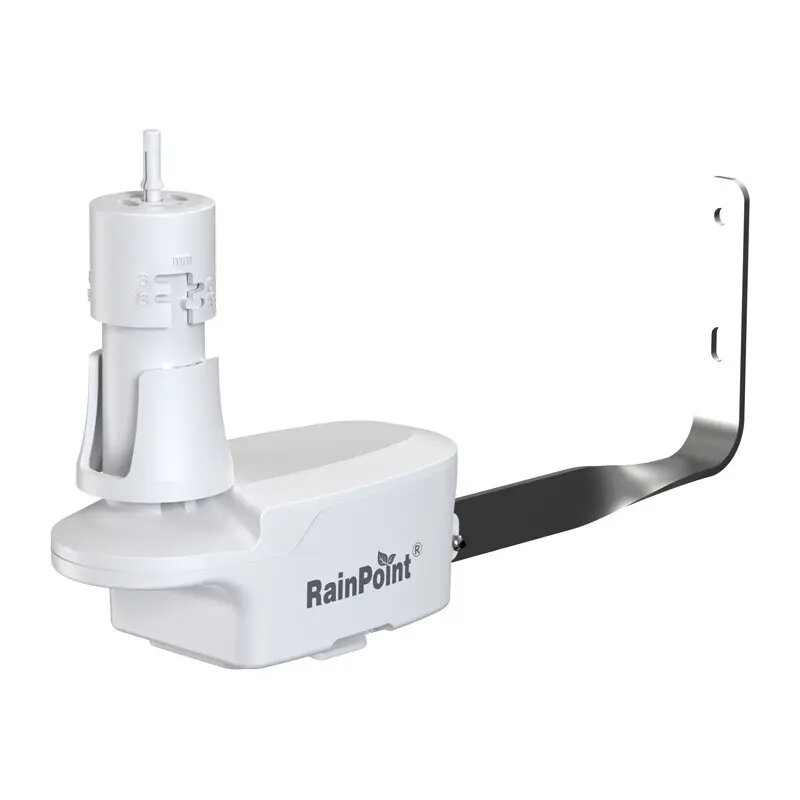
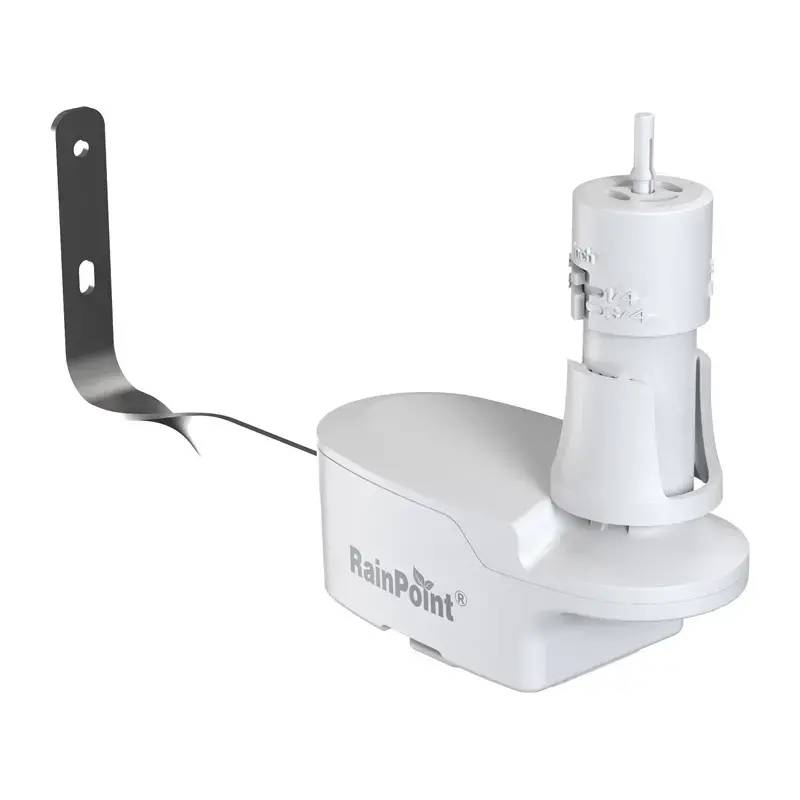
This overview compares RainPoint Rain Sensor model ICS044L for garden irrigation systems with several alternative irrigation solutions: Rain detector sensor Greenmill CEN-73520 for Greenmill GB6980C irrigation controller, Irrigation Controller RainPoint Rain Sensor ITV517V6-RS — automatic rain-sensing water management, Irrigation controller RainPoint ITV121 — programmable garden irrigation controller, model ITV121, Solar Irrigation Kit RainPoint IK15P — solar-powered irrigation controller kit for garden watering, and Irrigation controller RainPoint ITC1200 multi-zone automatic watering timer, central unit for programmable garden irrigation. All these products share the goal of automating garden watering, conserving water resources, and preventing unnecessary irrigation. The main differences lie in their functional purpose: some models are specialized precipitation sensors for connecting to external controllers, others combine a timer with an integrated rain sensor, while others are programmable controllers or solar kits without built-in rain detection.
⚙️ The table below compares the key characteristics and purposes of the devices: device type, presence of a built-in rain sensor, controller compatibility, and practical function in real-world watering scenarios.
| Comparison parameter | RainPoint Rain Sensor model ICS044L | Rain detector Greenmill CEN-73520 | Irrigation Controller RainPoint ITV517V6-RS | Irrigation controller RainPoint ITV121 | Solar Irrigation Kit RainPoint IK15P | Irrigation controller RainPoint ITC1200 | Practical significance |
|---|
| Device type | Precipitation sensor | Precipitation sensor | Controller with integrated rain sensor | Programmable irrigation controller | Solar-powered irrigation kit | Multi-zone central controller | Determines the functional role of the device in an irrigation setup. |
| Rain detection function | Yes, pauses watering during rain | Yes, works with a specific controller | Yes, integrated sensor | Not present in this model | Not present in this model | Not present in this model | Affects the system capability to automatically react to weather conditions. |
| Main application | Integration with standard controllers | Operation with Greenmill controller | Automated water management with sensor | Irrigation schedule automation | Autonomous watering using solar energy | Centralized management of multiple zones | Helps select a device based on specific engineering requirements and power availability. |
◎ The table below evaluates product suitability for various usage scenarios, user needs, and environmental conditions.
| Use case | Recommended product | Why |
|---|
| Upgrading an existing setup with a rain sensor | RainPoint Rain Sensor model ICS044L | Universal precipitation sensor is suitable for integration with standard controllers to save water. |
| Compatibility with Greenmill equipment | Rain detector sensor Greenmill CEN-73520 | Designed specifically to work with the Greenmill GB6980C controller. |
| All-in-one watering management with rain control | Irrigation Controller RainPoint Rain Sensor ITV517V6-RS | Combines a controller and automatic precipitation sensing for small systems. |
| Simple scheduling automation without a rain sensor | Irrigation controller RainPoint ITV121 | Provides automated schedule and zone control for residential gardens. |
| Watering in locations without mains power | Solar Irrigation Kit RainPoint IK15P | Uses solar energy to operate an autonomous outdoor watering system. |
| Managing complex multi-zone irrigation | Irrigation controller RainPoint ITC1200 | Central unit allows independent timing for multiple valves and zones. |
The RainPoint Rain Sensor model ICS044L for garden irrigation systems differs from the others by functioning as a standalone precipitation sensor designed to add rain-pause capabilities to existing standard controllers. This option is most suitable for users who want to upgrade a current watering setup with rain sensing, whereas alternative products are better chosen if a complete controller unit, multi-zone management, or solar-powered independence is required.