
Leave your address - as soon as the price of the product goes down, you'll know about it right away
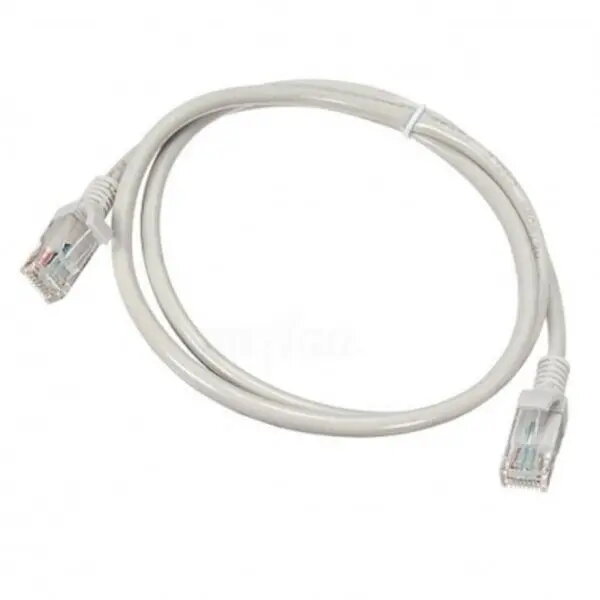
Ethernet Patch Cable TRANSCEND CAT6, 20 m, RJ45–RJ45
In cart {{totalProductsCount}} item(s)
Your cart is empty
Ethernet Patch Cable TRANSCEND CAT6, 20 m, RJ45–RJ45
Leave your address - as soon as the price of the product goes down, you'll know about it right away
Ethernet Patch Cable TRANSCEND CAT6, 20 m, RJ45–RJ45
TRANSCEND CAT6 Ethernet patch cable, 20 m, RJ45–RJ45 is a shield-free twisted-pair cable designed for Gigabit networks and structured cabling. With RJ45 connectors on both ends and a 20-meter length, it establishes a wired connection between switches, routers, computers and other network devices. The cable supports standard Cat6 performance parameters and is intended for installations that require a reliable, fixed connection over a moderate distance in homes, offices or server rooms.
The cable provides stable wired throughput suitable for Gigabit Ethernet, reducing latency and packet loss compared with wireless links. Its 20 m length allows flexible placement of network equipment without the need for additional extenders. Gold-plated RJ45 contacts and a molded strain-relief jacket improve connector durability and maintain signal integrity under regular insertion and removal cycles. The cable’s construction follows Cat6 specifications to meet performance expectations for typical LAN and structured-cabling scenarios.
Insert each RJ45 connector into the corresponding Ethernet ports on your devices until the latch clicks. Ensure connectors are fully seated on both ends to secure the connection. Route the cable to avoid sharp bends, heavy compression or sources of electromagnetic interference such as unshielded power cables and large motors. For wall-to-rack runs, use cable management tools or trays to maintain bend radius and prevent strain on the connectors.
For optimal performance, verify that connected devices support Gigabit Ethernet and use proper patch panels or switch ports. Avoid running the cable parallel to high-voltage wiring for long distances. Replace the cable if the jacket or connectors show visible damage, and choose shorter runs where possible to reduce latency and potential signal degradation.
{{highlightedFeature.featureTitle}}:
{{getProductFeatureValueById(product, highlightedFeature.featureId)}}
