
Dreame vacuums for fast and efficient cleaning!
In cart {{totalProductsCount}} item(s)
Your cart is empty
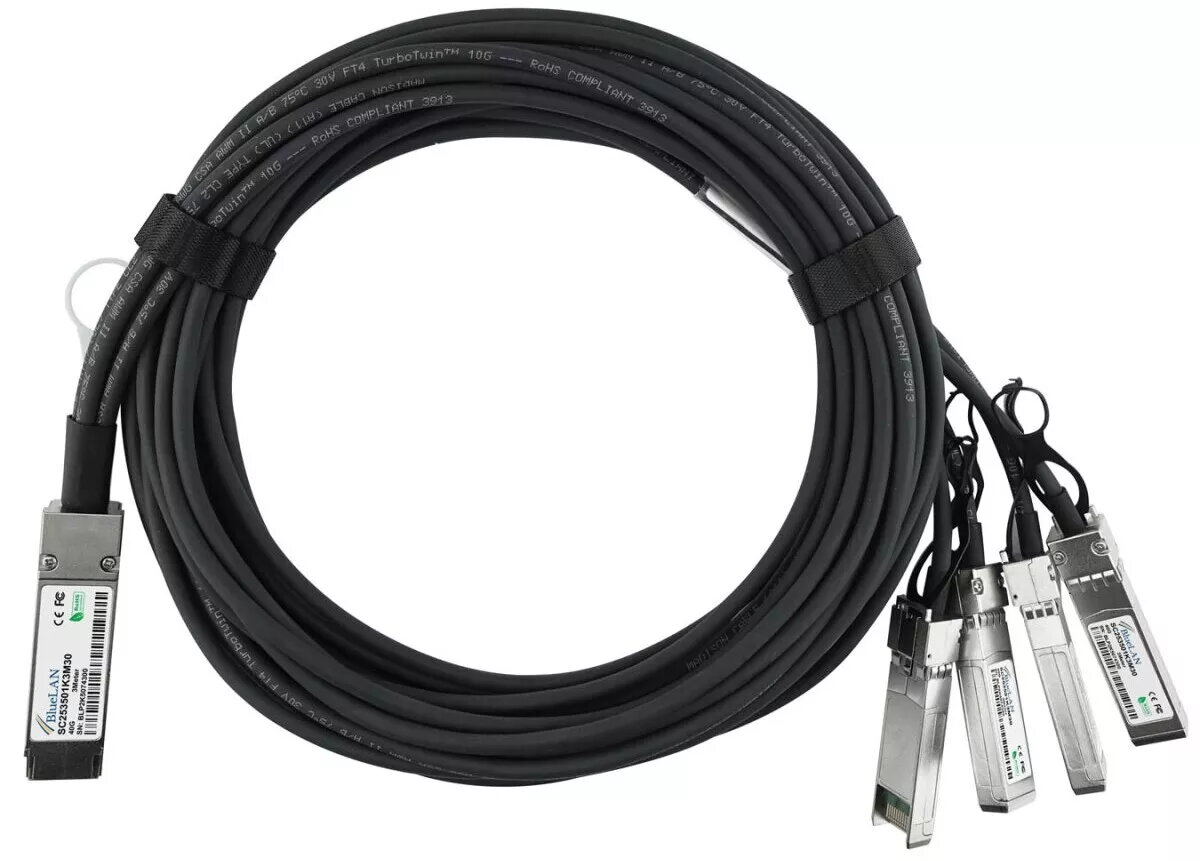
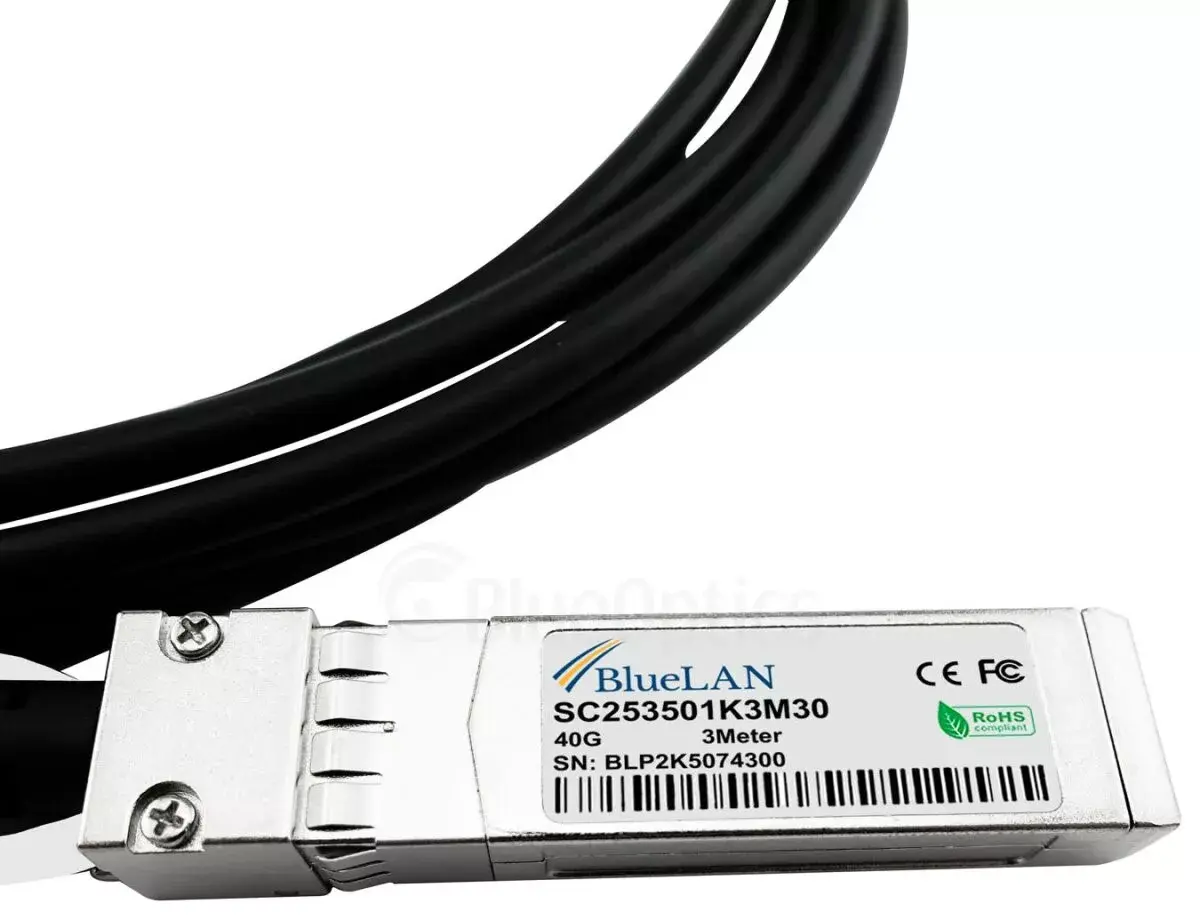
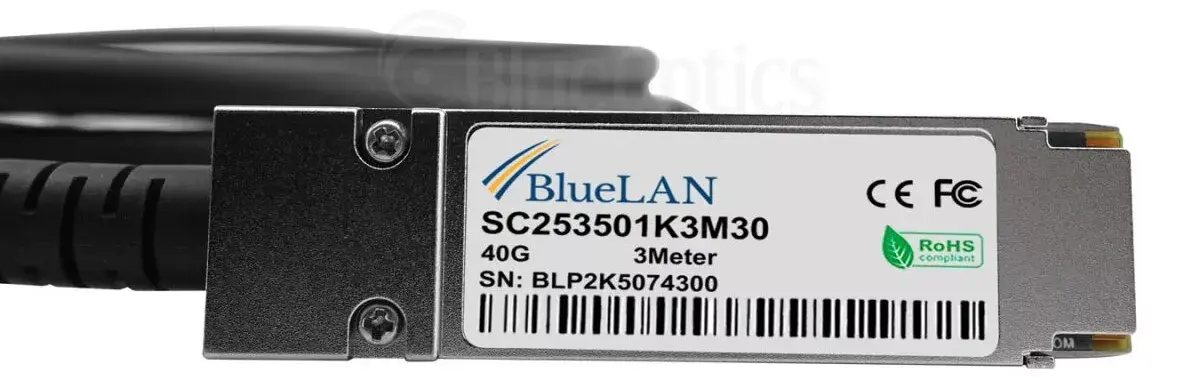
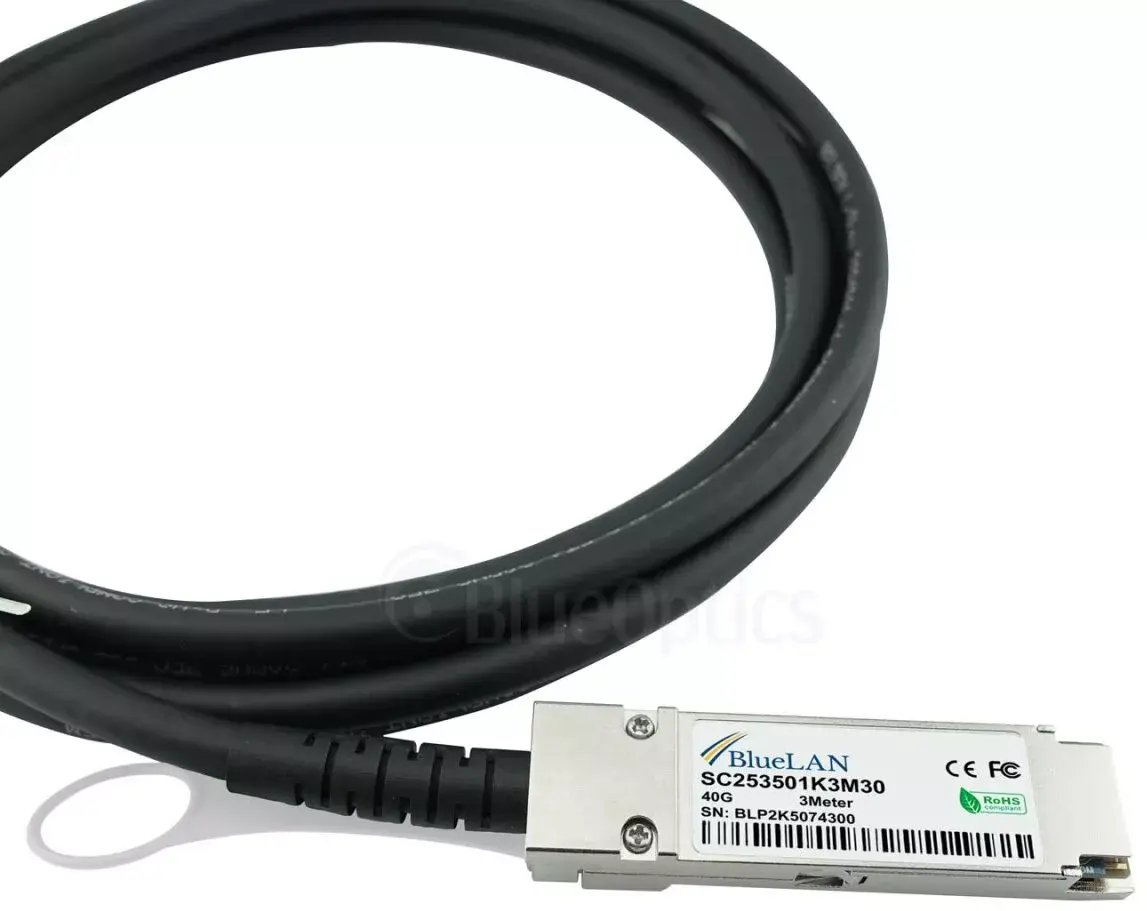
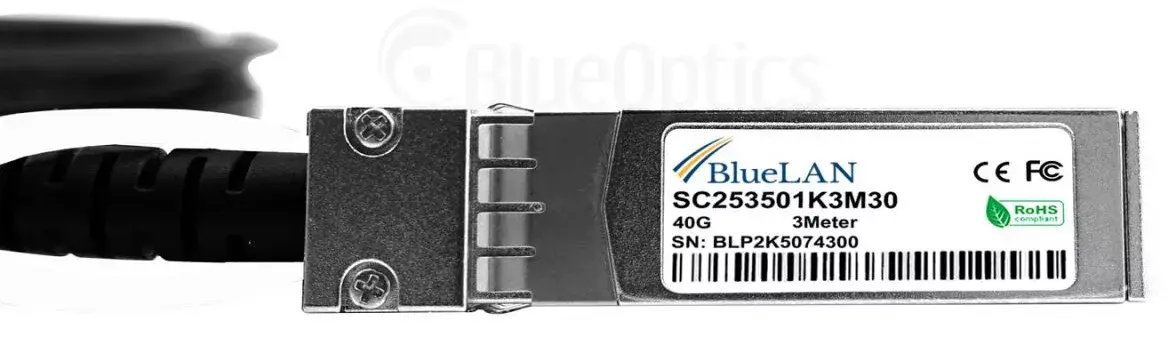
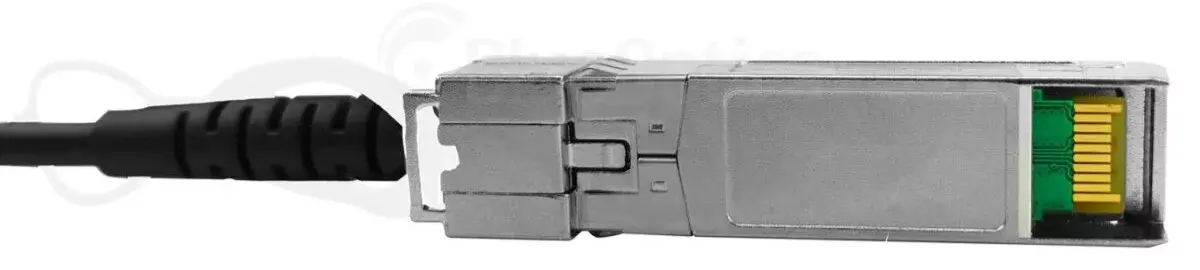
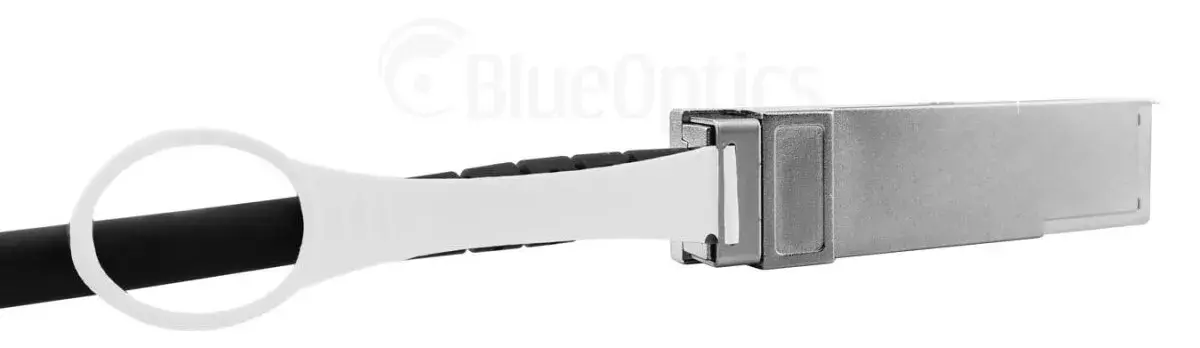
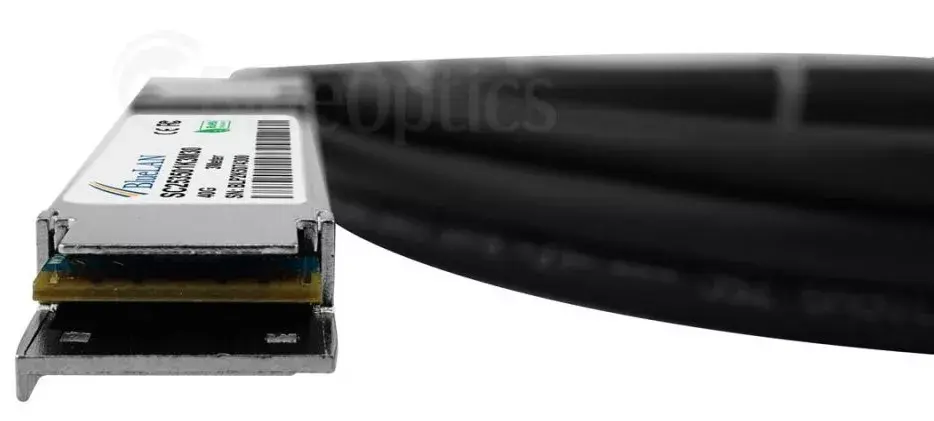
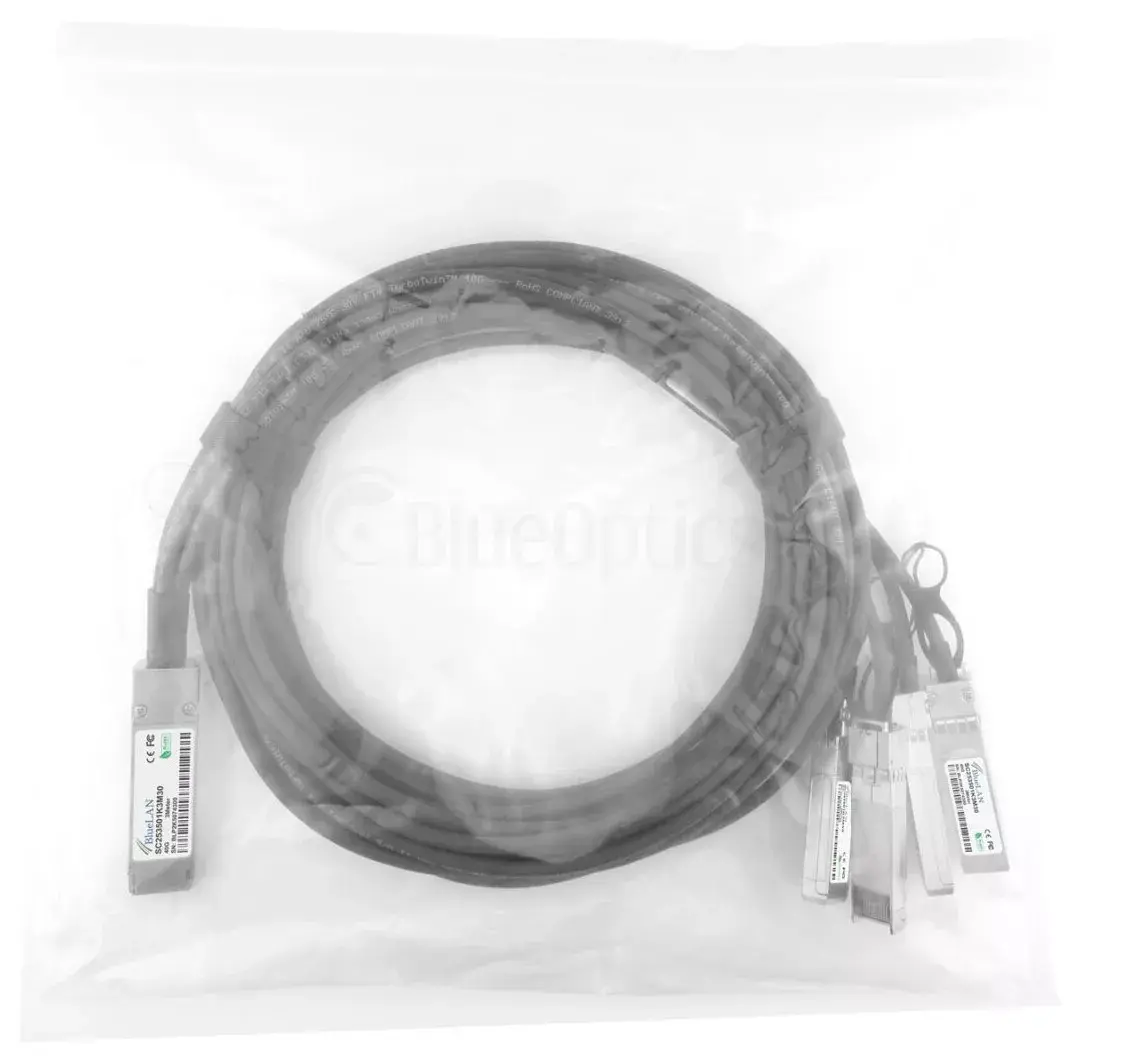
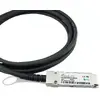
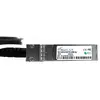
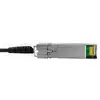
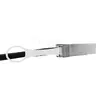
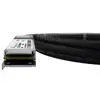
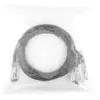
InfiniBand/fibre optic cable BlueOptics CPAC-TR-40SPLIT-QSFP-3M-BL 3m QSFP 4xSFP+ Male/Male
The BlueOptics CPAC-TR-40SPLIT-QSFP-3M-BL is a 3-meter QSFP to 4xSFP+ direct attach cable (DAC) designed for short-reach, high-speed connections in data centers and network racks. As a passive twinax copper solution with QSFP male to four SFP+ male ends, it supports aggregated 40GBase-CR4 links or four independent 10GBase-CR channels over a 3 m span. The cable follows industry MSA guidelines and is intended for use where low latency, low power draw and reliable electrical signal transfer are required between compatible switches, routers, storage systems and network interface cards.
This 3 m QSFP to 4xSFP+ DAC provides a cost-effective and energy-efficient method to establish high-throughput rack and adjacent-rack connections. The passive twinax construction eliminates the need for active components, reducing power consumption and improving reliability for short distance interconnects. Compliance with MSA form-factors ensures mechanical and electrical compatibility with a wide range of hardware platforms that support QSFP to SFP+ split configurations.
Connect the QSFP end to a compatible 40G QSFP port on a switch or NIC and plug the four SFP+ ends into the target SFP+ ports on the receiving device, or use the reverse orientation as required by your hardware. Ensure both devices support passive QSFP-to-4×SFP+ split operation and the intended protocol (e.g., 40GBase-CR4 or 4×10GBase-CR). Avoid sharp bends and secure cable routing inside racks to prevent strain on the connectors. If a device requires breaking out the 40G port in software or BIOS settings, configure the port according to the vendor instructions prior to traffic activation.
Use this passive DAC for short-distance links within racks or between adjacent racks where passive twinax is supported by your hardware. Verify vendor compatibility with QSFP-to-SFP+ split cables and confirm firmware or port mode settings if necessary. For longer distances or where electrical isolation is required, consider optical transceivers and fiber cables instead.
{{highlightedFeature.featureTitle}}:
{{getProductFeatureValueById(product, highlightedFeature.featureId)}}
{{ productComparisonGenerationError }}