Dreame vacuums for fast and efficient cleaning!

{{ totalProductsCount }}
In cart {{totalProductsCount}} item(s)
In cart {{totalProductsCount}} item(s)
Total:
{{sum | formatAmount}}
Your cart is empty
Wireless Products

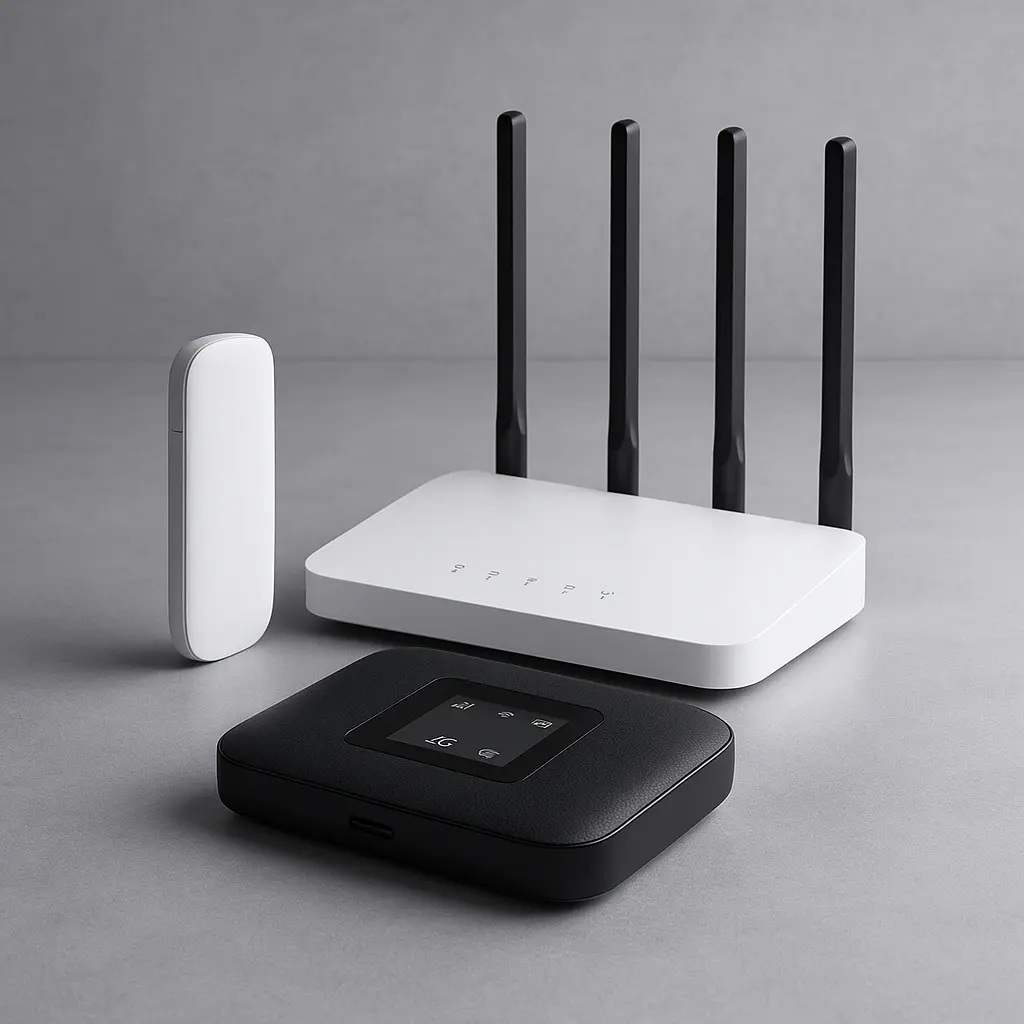
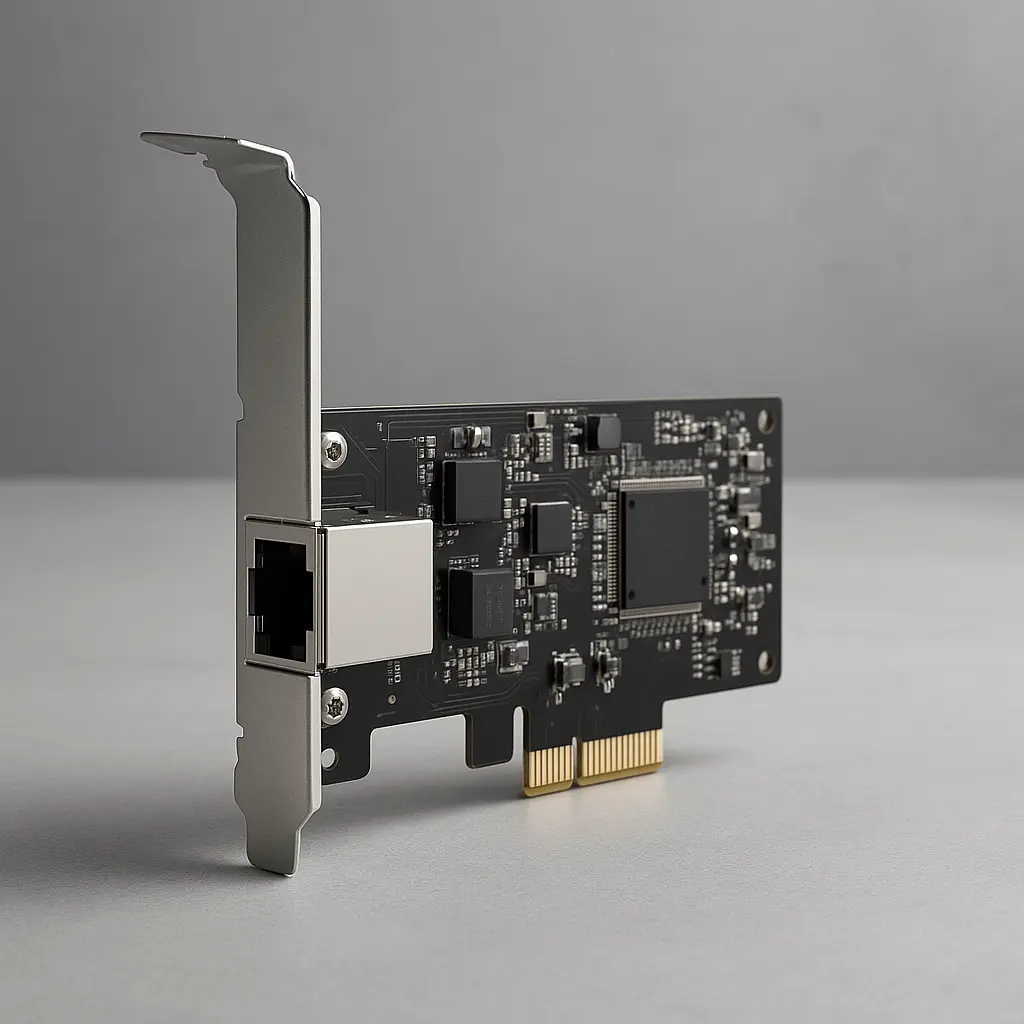
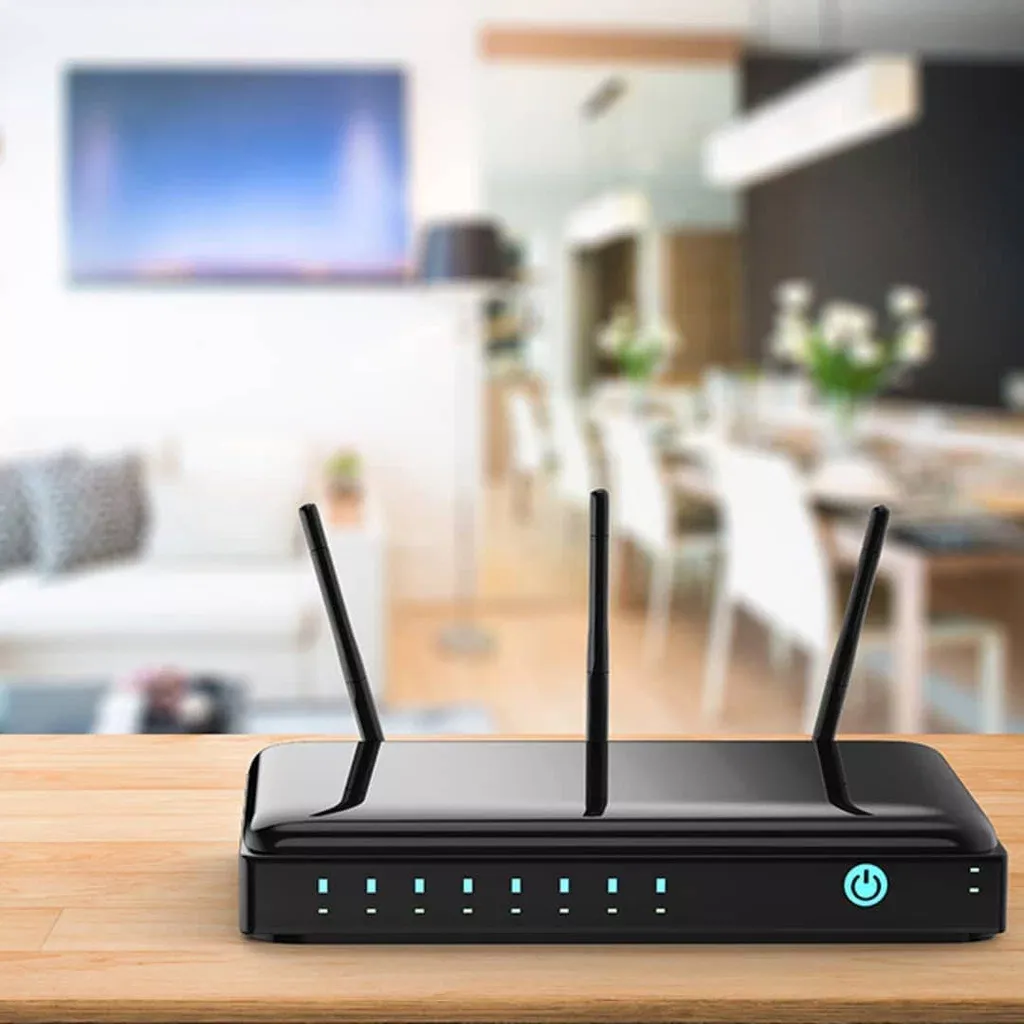
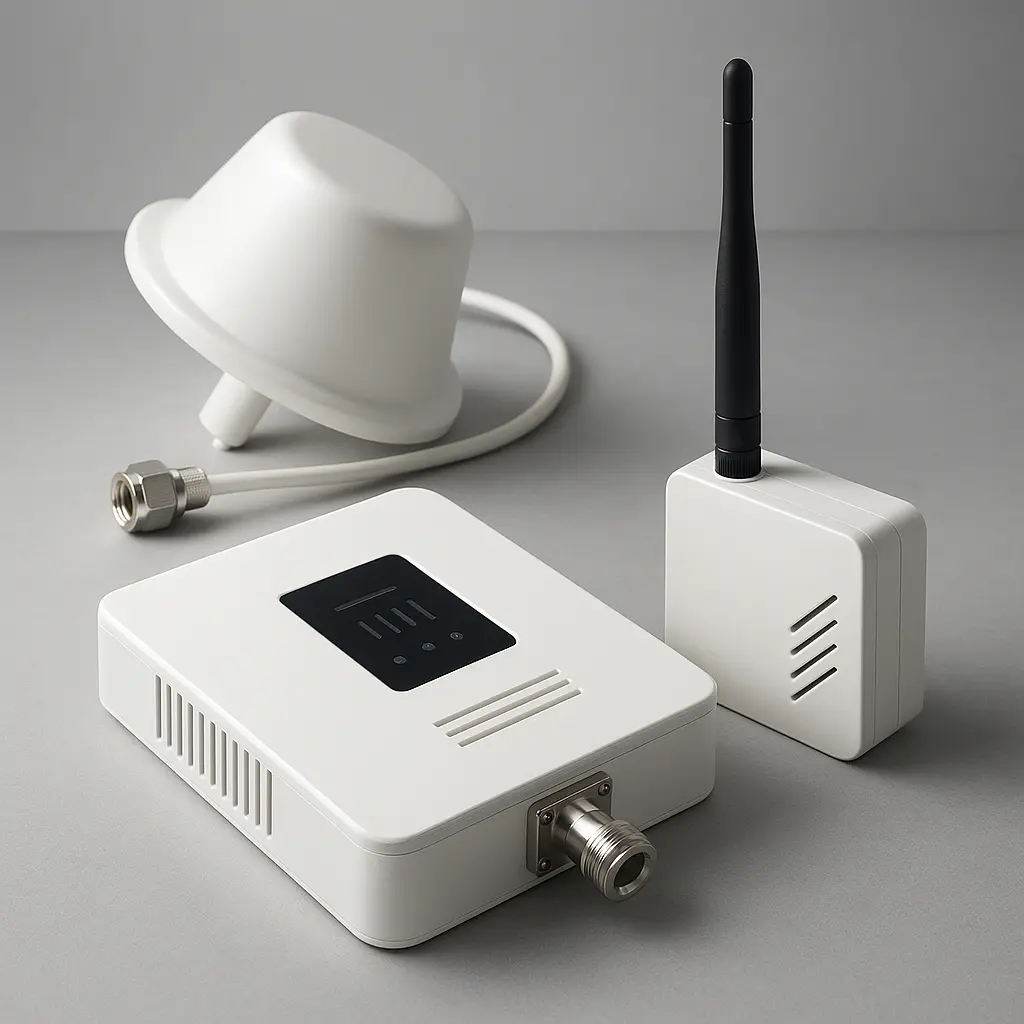
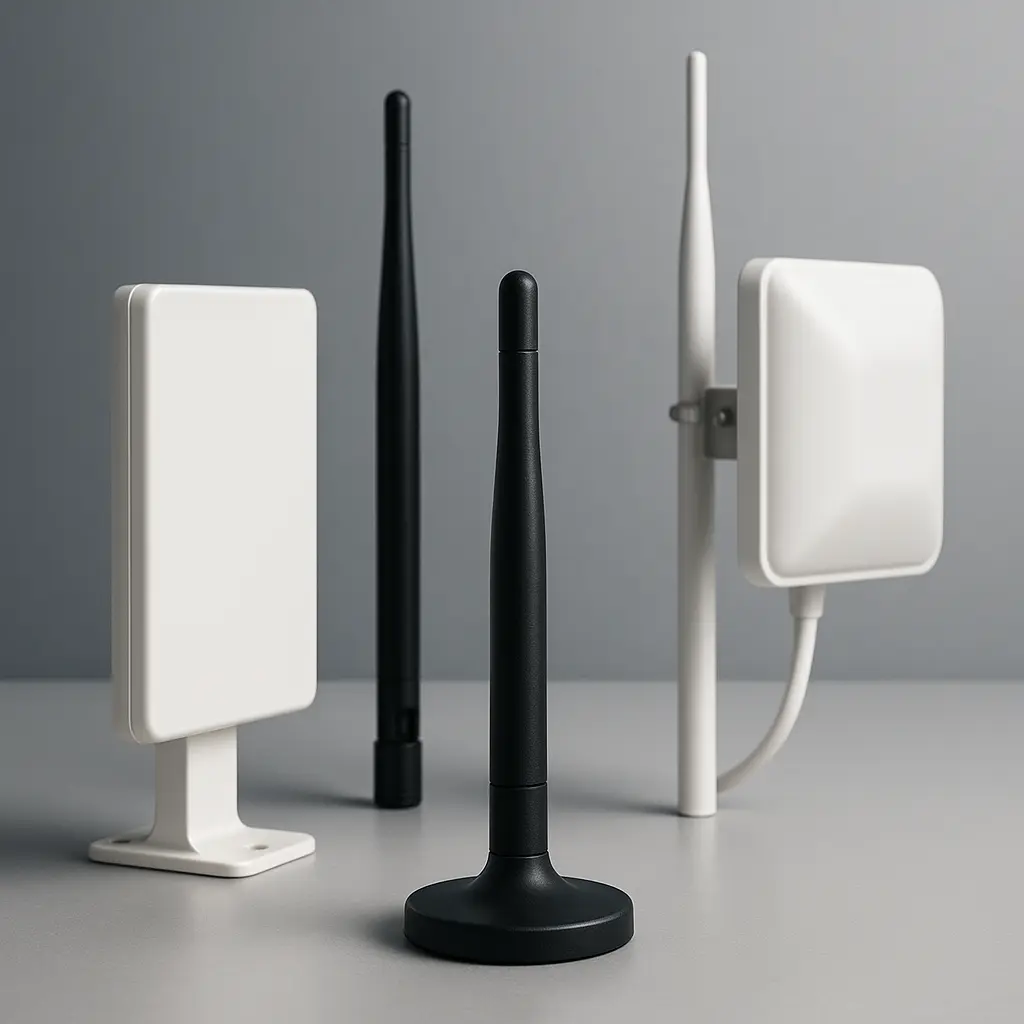



Wireless Products are electronic devices and accessories that transmit data, audio, or control signals without fixed physical connections. They include items such as wireless routers, Bluetooth headsets, wireless keyboards and mice, wireless charging pads, Wi‑Fi extenders, and wireless security cameras. These products are used to create flexible connections between devices, reduce cable clutter, enable remote operation, and support mobile or temporary setups in homes, offices, vehicles, and public spaces. Shoppers typically choose wireless solutions for convenience, improved mobility, simplified installation, and compatibility with smart devices and networks. Selection depends on technical requirements, such as range, latency, battery life, protocol compatibility, and security features.
Types of Wireless Products
The category covers a range of device classes and accessories designed for different wireless functions.
- Networking devices: Wi‑Fi routers, mesh systems, access points, and Wi‑Fi extenders for wireless internet connectivity.
- Audio devices: Bluetooth headphones, earbuds, wireless speakers, and audio transmitters/receivers.
- Input and control: Wireless keyboards, mice, game controllers, and remote controls.
- Power and charging: Wireless charging pads, stands, and power banks that support Qi or proprietary wireless charging standards.
- Home and security: Wireless IP cameras, doorbells, sensors, and smart locks that connect over Wi‑Fi, Zigbee, Z‑Wave, or Bluetooth.
- IoT and peripherals: Wireless modules, dongles, and adapters for printers, smart appliances, and industrial sensors.
What are Wireless Products used for?
Wireless Products provide untethered connectivity and control across consumer, commercial, and industrial environments.
- Internet access and local networking for multiple devices without Ethernet cabling.
- Hands‑free and mobile audio for calls, media playback, and conferencing.
- Flexible workstation setups using wireless input devices to reduce cable clutter and increase mobility.
- Convenient charging of compatible devices without connectors and ports.
- Remote monitoring and automation of premises using wireless security and smart home devices.
- Integration of sensors and actuators in IoT systems for data collection and process control.
Key Differences between Wireless Products
Not all wireless products offer the same capabilities; differences arise from technology, range, power, and compatibility.
- Communication protocol: Wi‑Fi, Bluetooth, Zigbee, Z‑Wave, and proprietary standards vary in bandwidth, range, and power usage.
- Range and coverage: Devices designed for short‑range personal use differ from long‑range networking equipment and outdoor sensors.
- Latency and throughput: Audio and gaming devices prioritize low latency, while sensors may prioritize battery life over throughput.
- Power source: Battery‑powered devices require considerations for battery life and charging; mains‑powered devices can run continuously.
- Security and encryption: Supported security standards (WPA3, TLS, AES) affect data protection and access control.
- Compatibility and interoperability: Cross‑brand compatibility depends on supported protocols and profiles (e.g., Bluetooth profiles, Wi‑Fi standards).
How to Choose Wireless Products?
Select products based on intended use, technical requirements, and environmental conditions to ensure reliable performance.
- Define primary use: networking, audio, input devices, charging, or security to narrow down product types and features.
- Check protocol and standards: ensure devices support required Wi‑Fi standards (802.11ac/ax), Bluetooth versions, or IoT protocols.
- Assess range and environment: consider home layout, building materials, and whether outdoor coverage is needed.
- Compare performance metrics: throughput, latency, battery life, and supported concurrent connections.
- Review security features: encryption, authentication options, update mechanisms, and vendor support for firmware updates.
- Consider compatibility: confirm interoperability with existing devices, platforms, and mobile operating systems.
- Plan for expandability and maintenance: look for modular systems, replaceable batteries, and clear firmware update paths.


