Dreame vacuums for fast and efficient cleaning!

{{ totalProductsCount }}
In cart {{totalProductsCount}} item(s)
In cart {{totalProductsCount}} item(s)
Total:
{{sum | formatAmount}}
Your cart is empty
Electronics


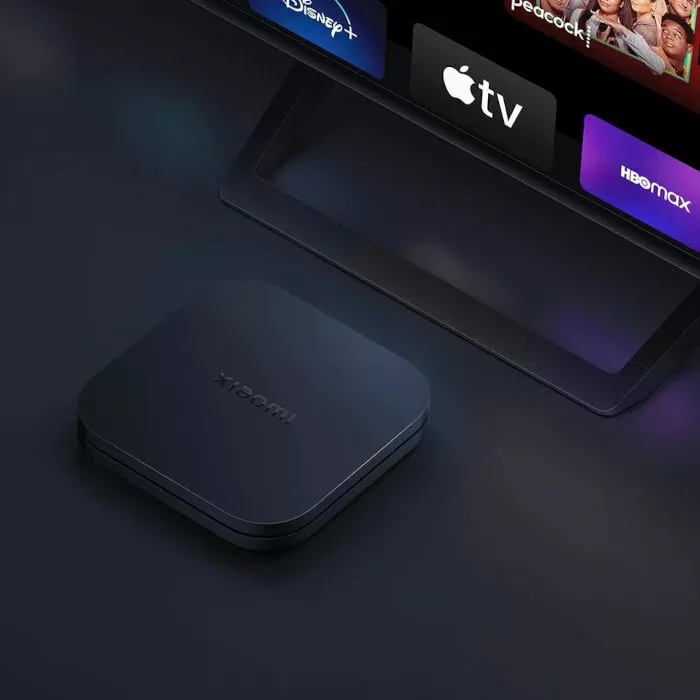
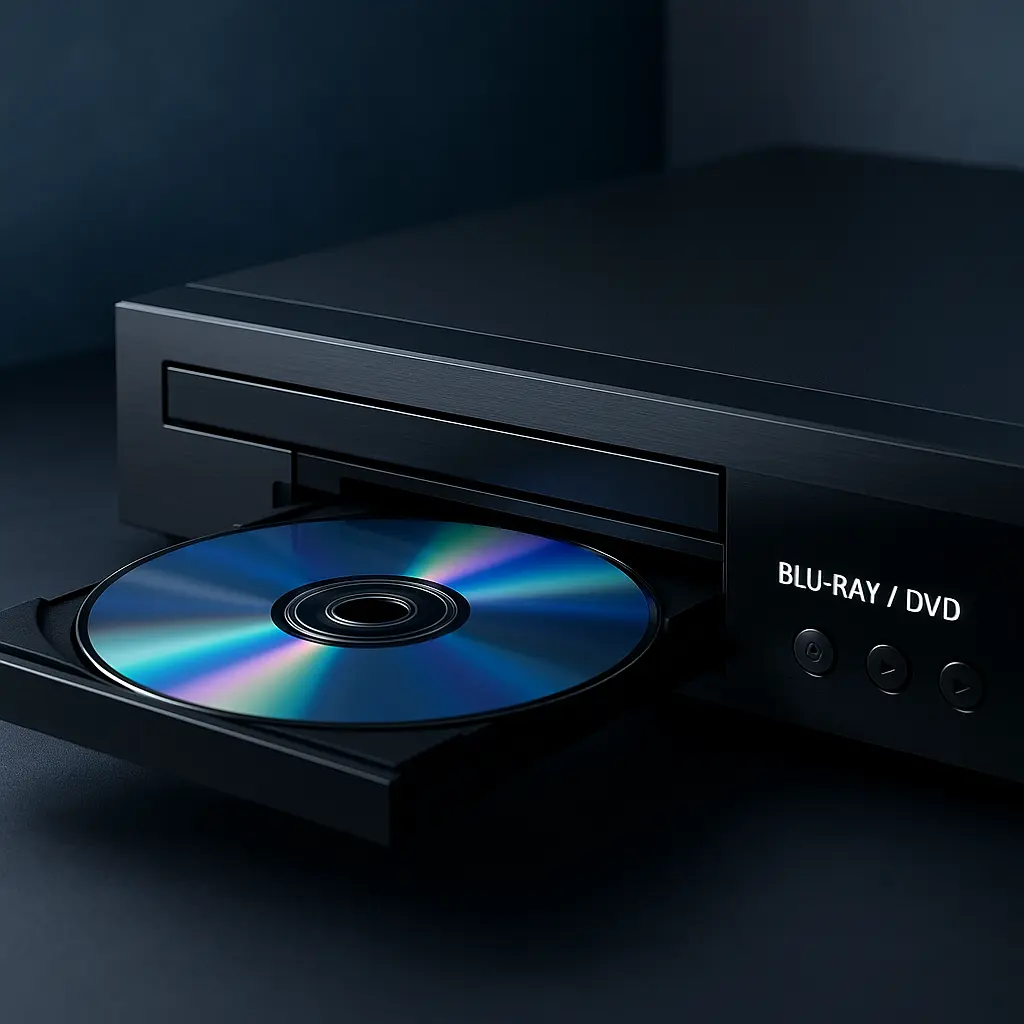
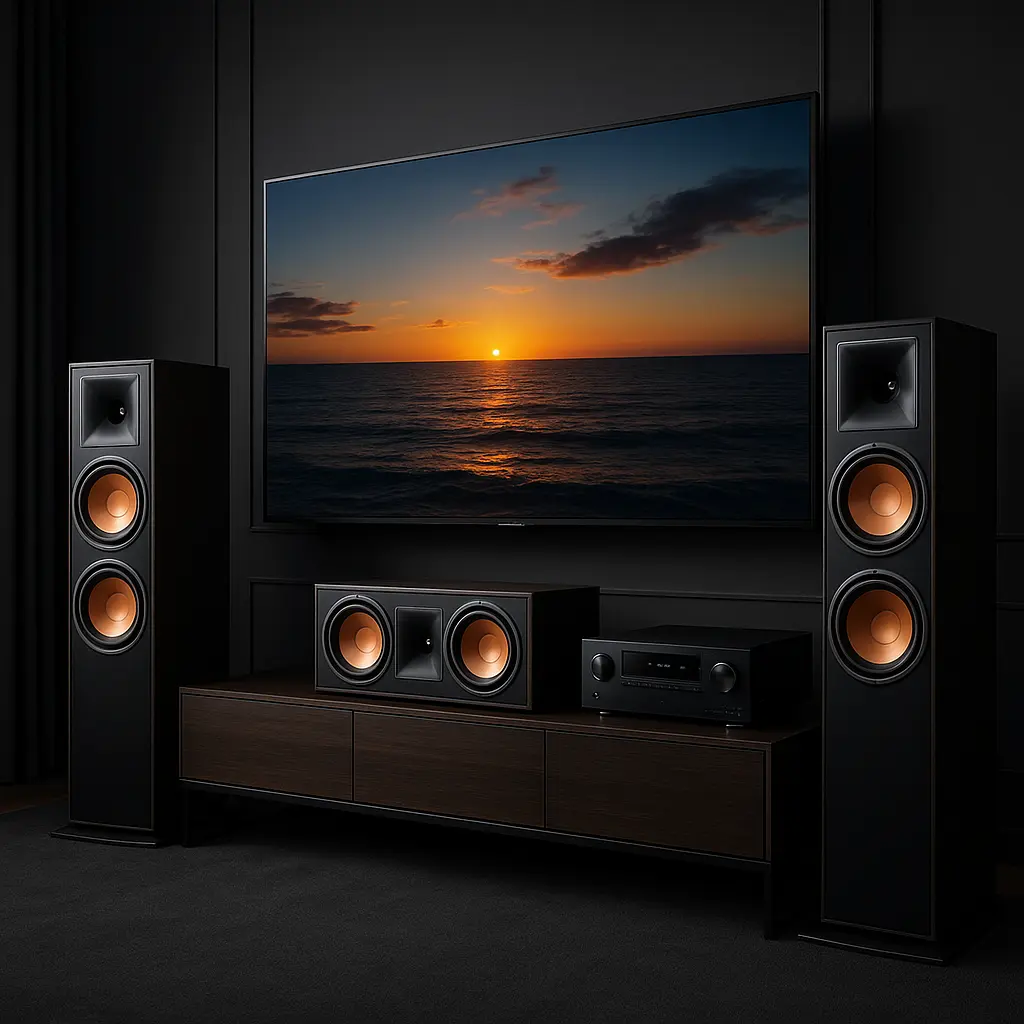
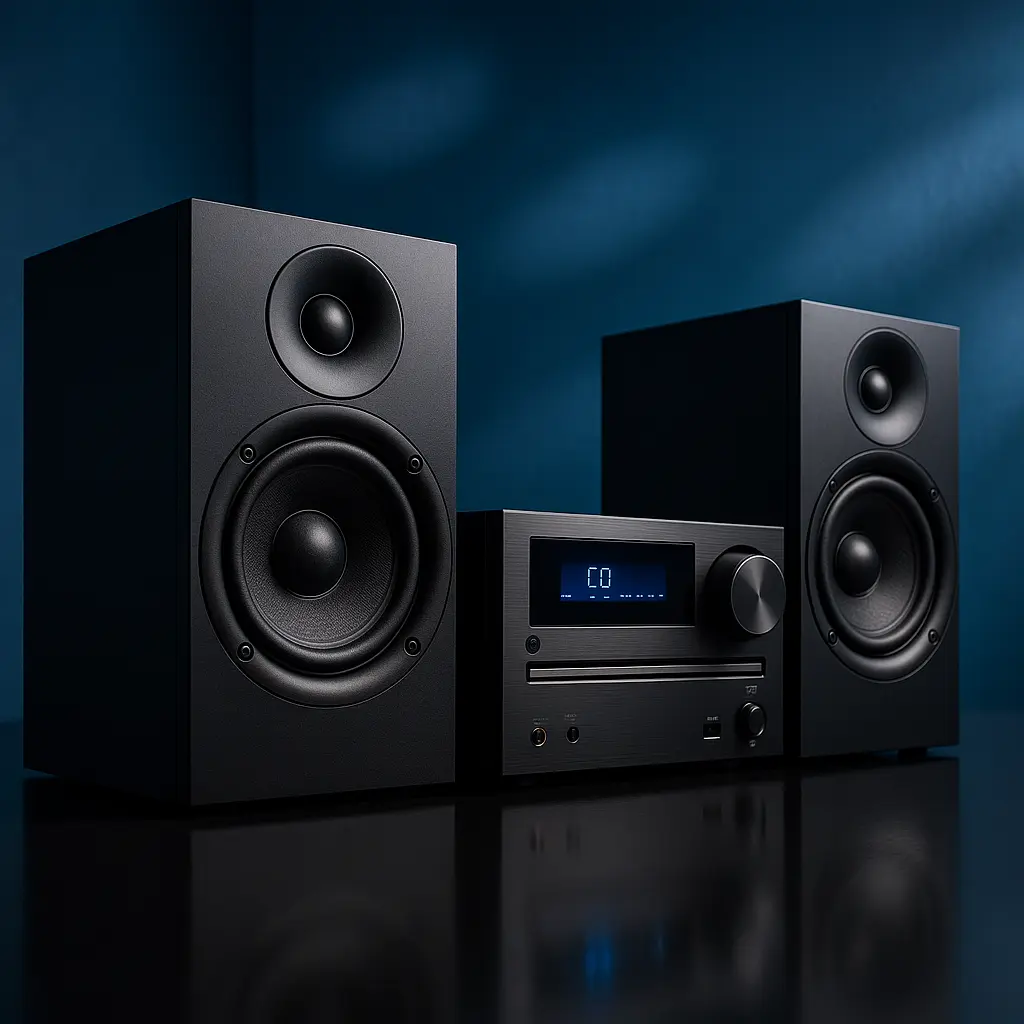
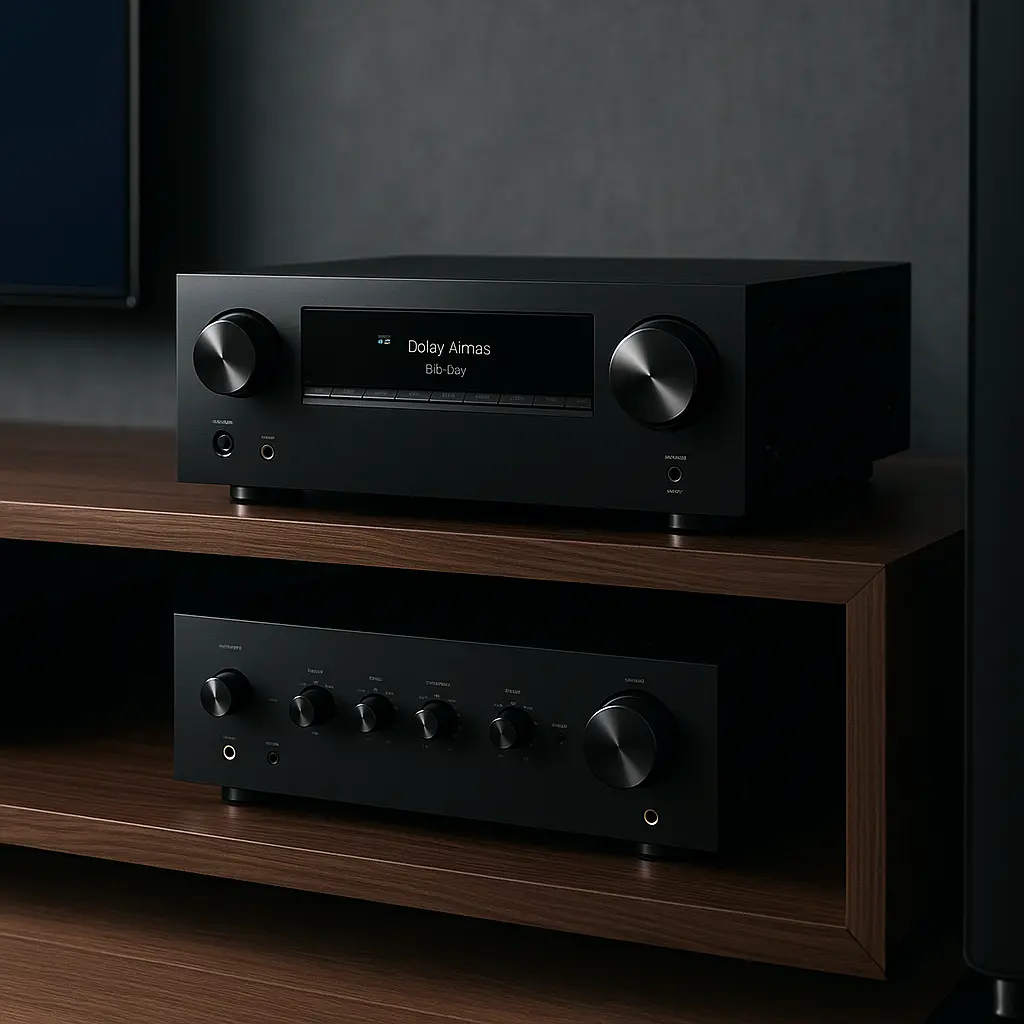
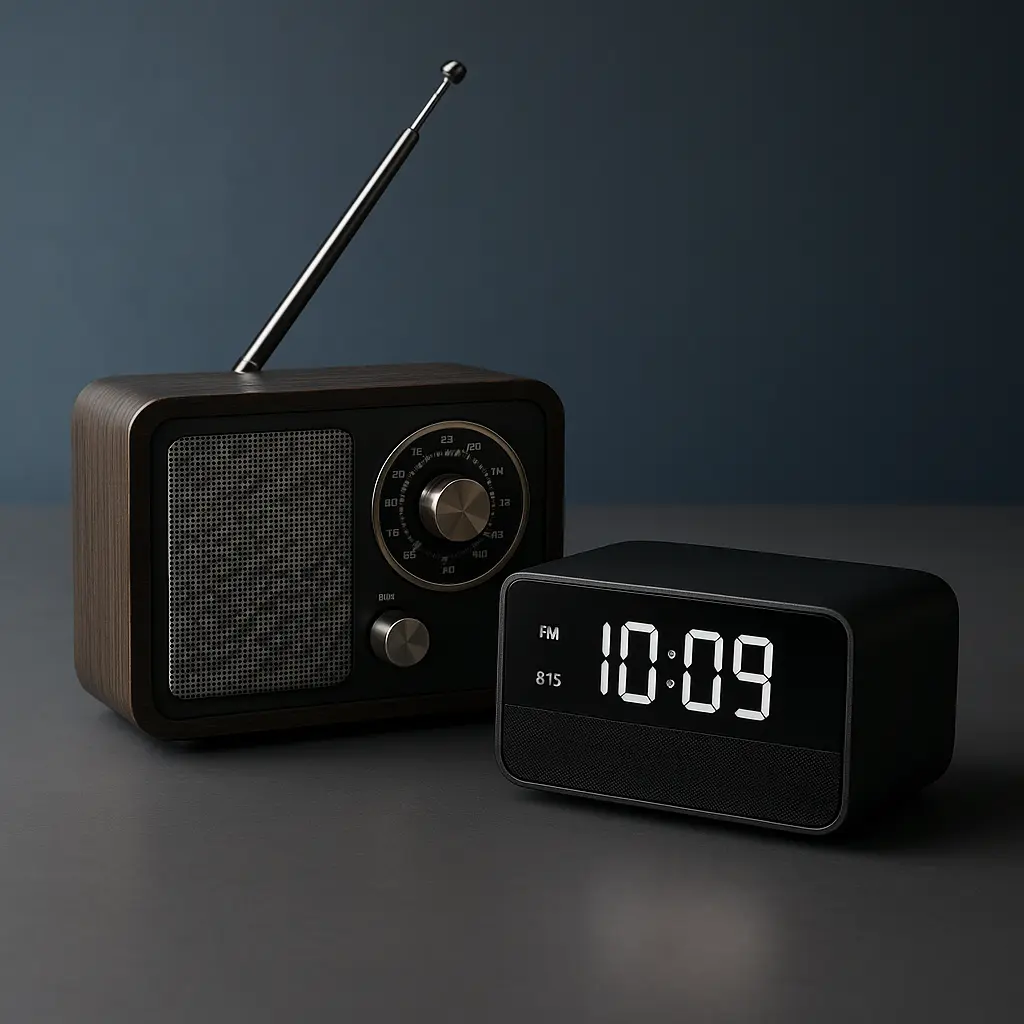
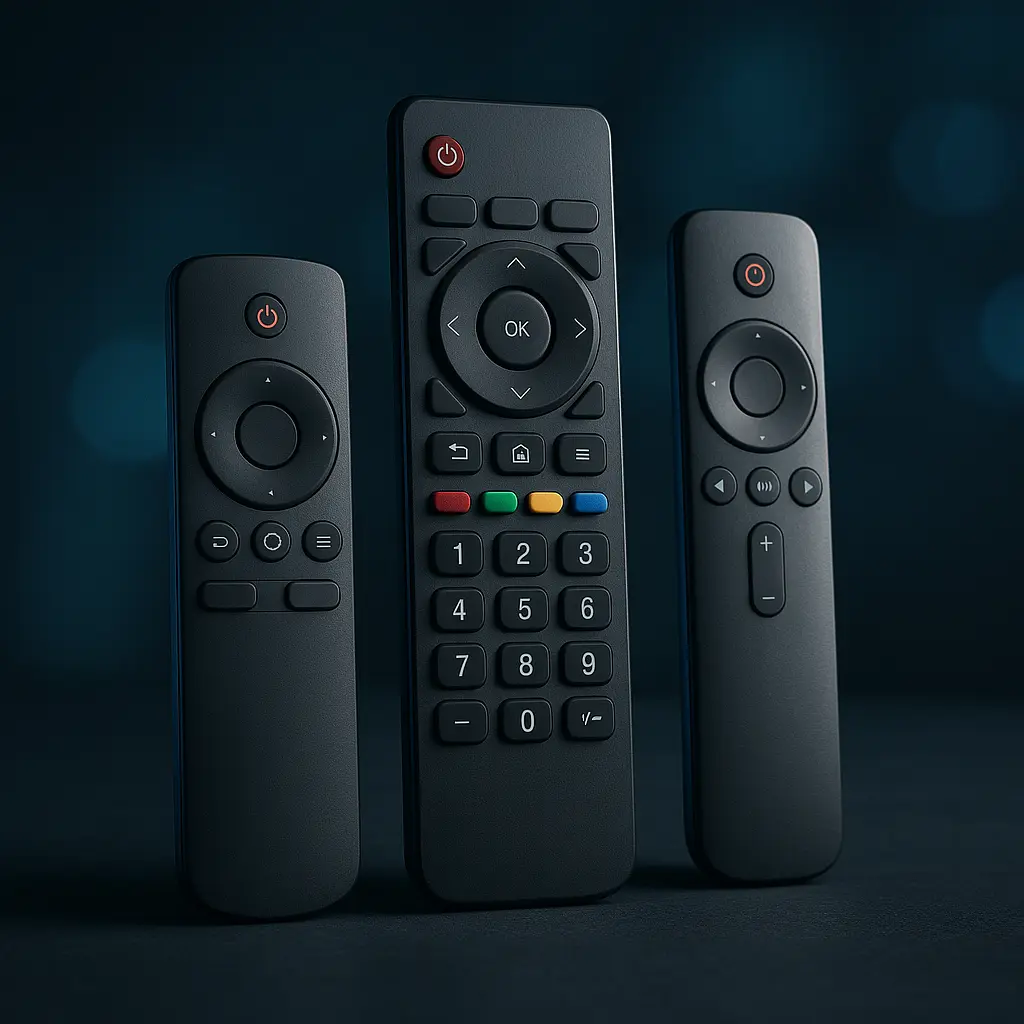
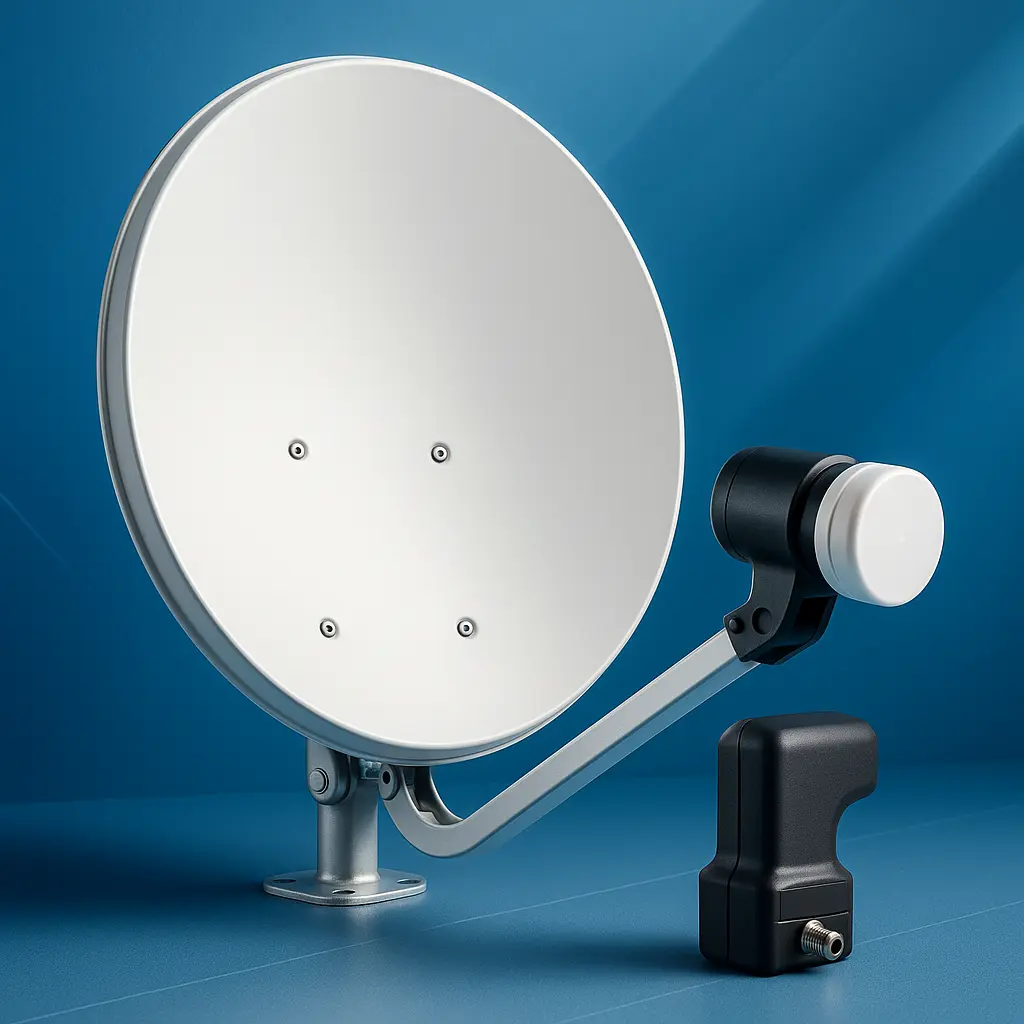

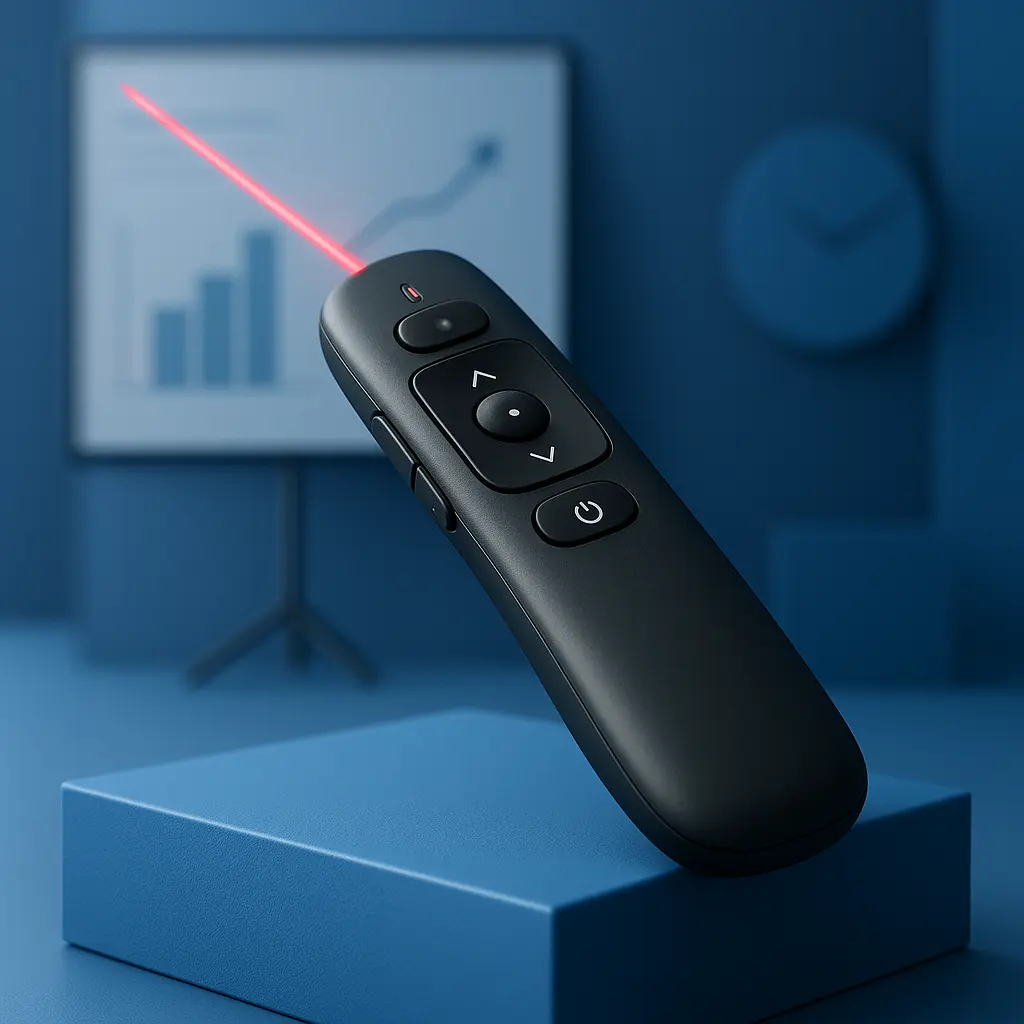
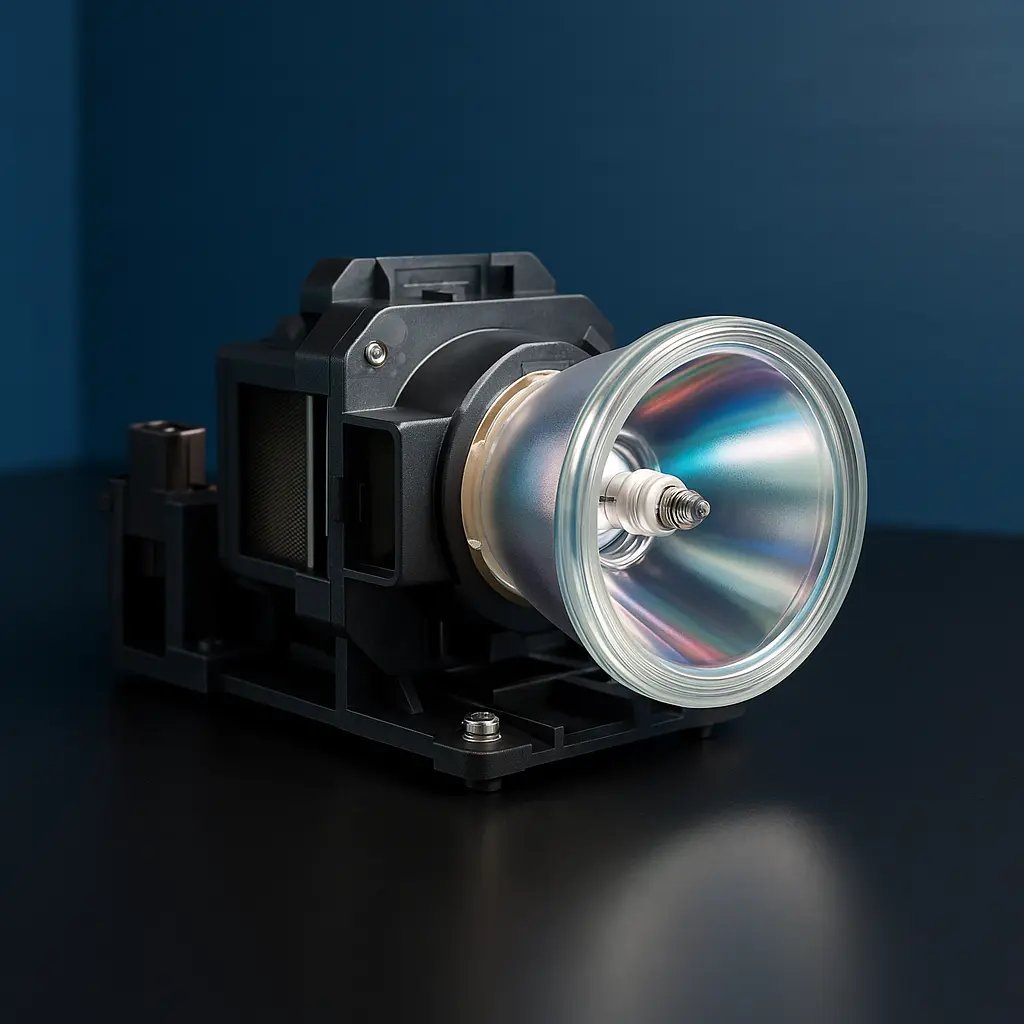
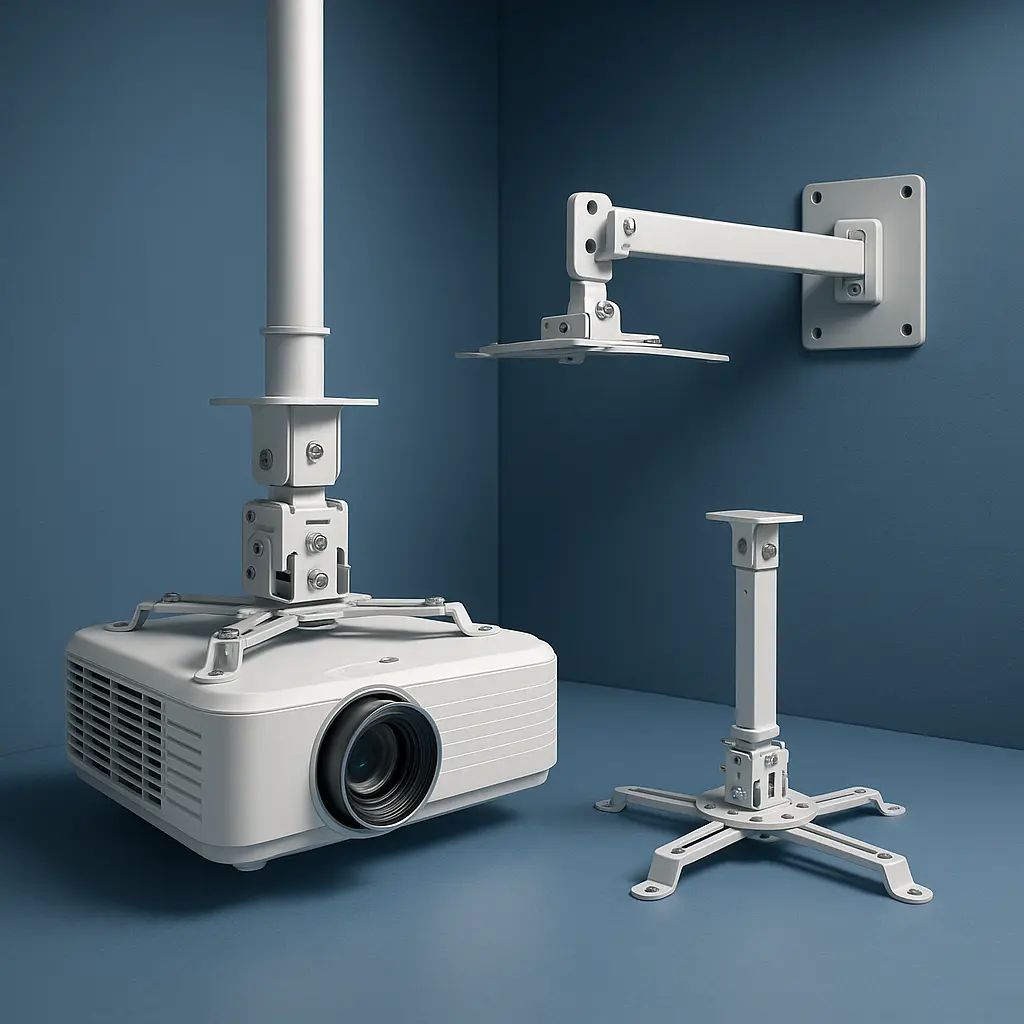
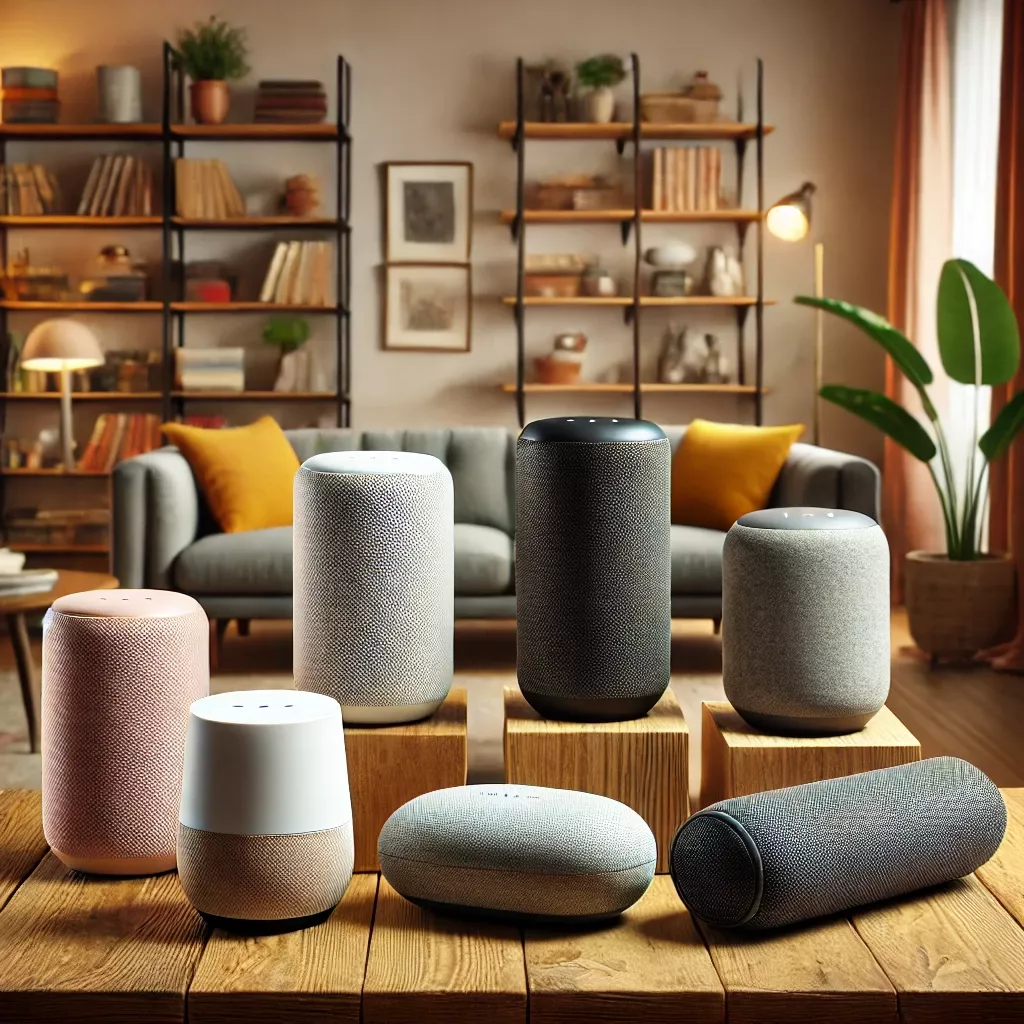

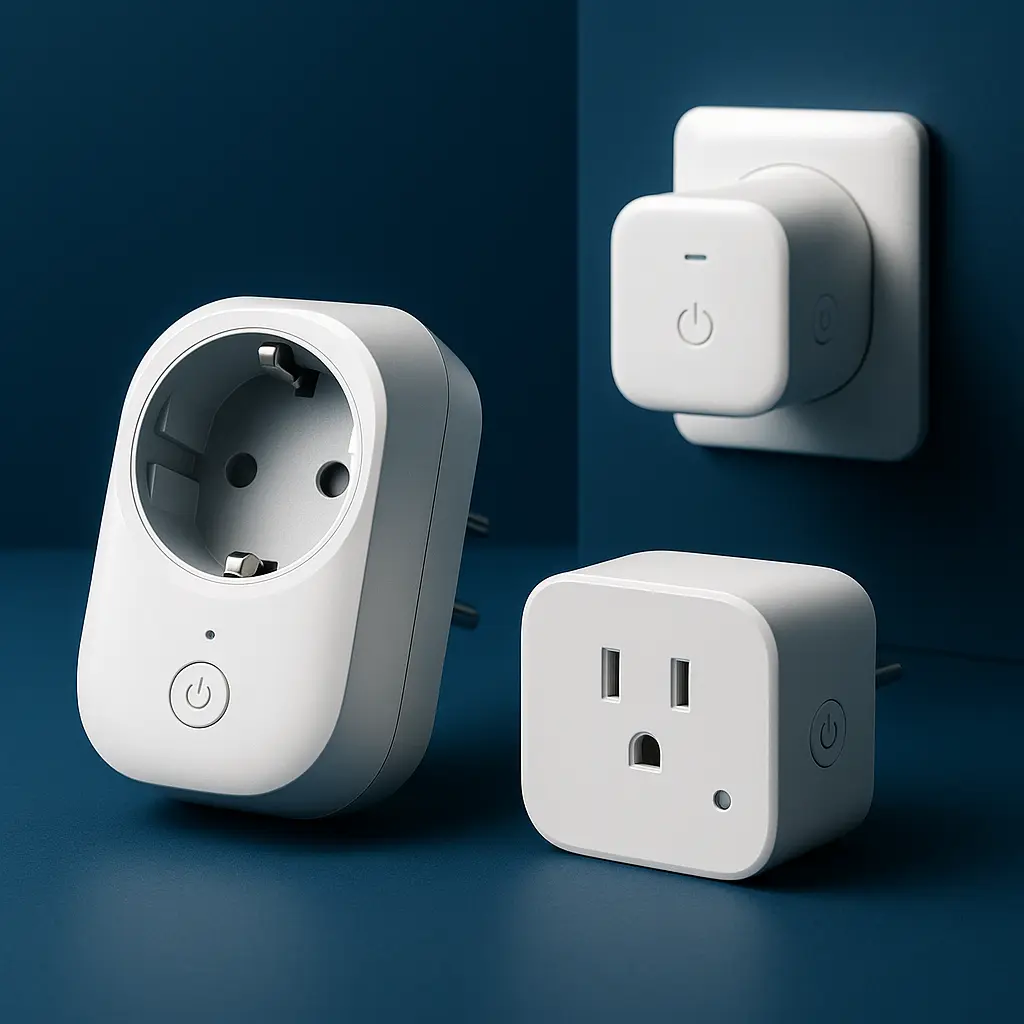
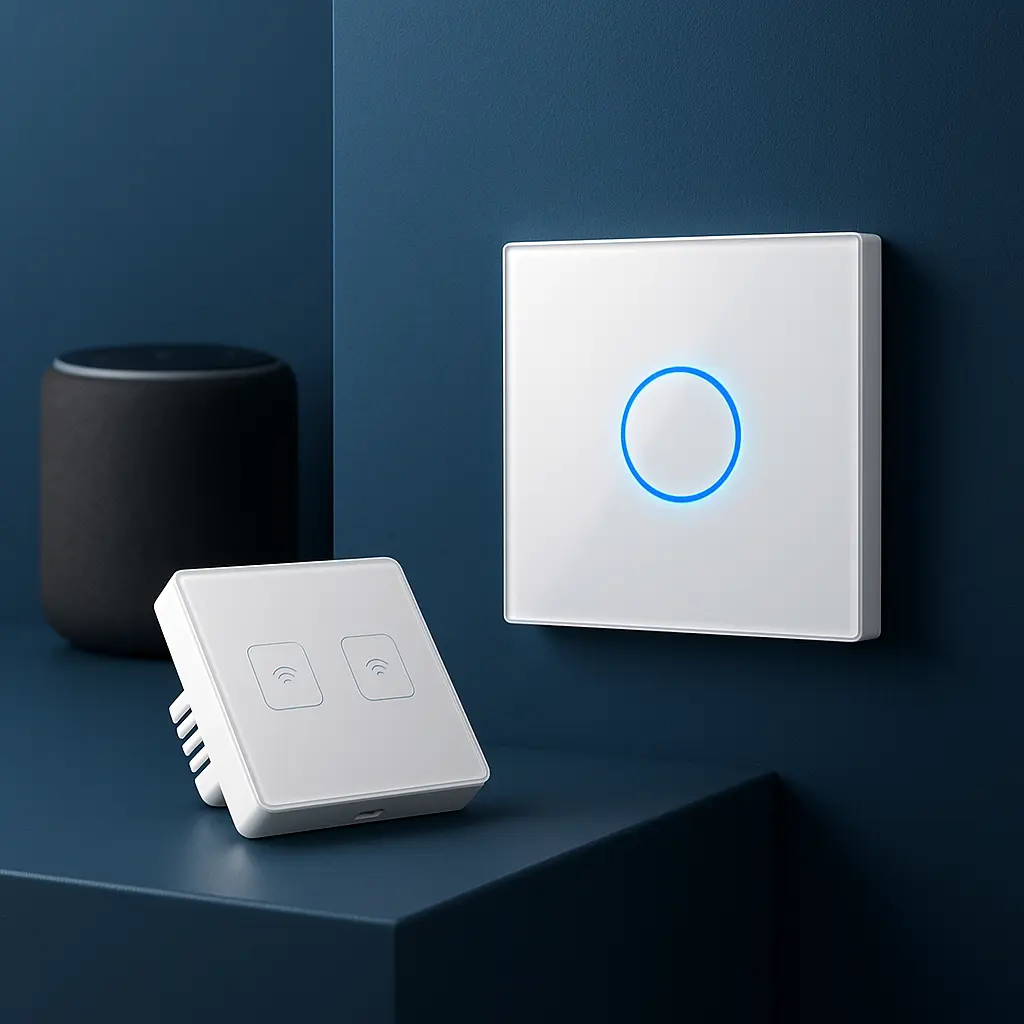
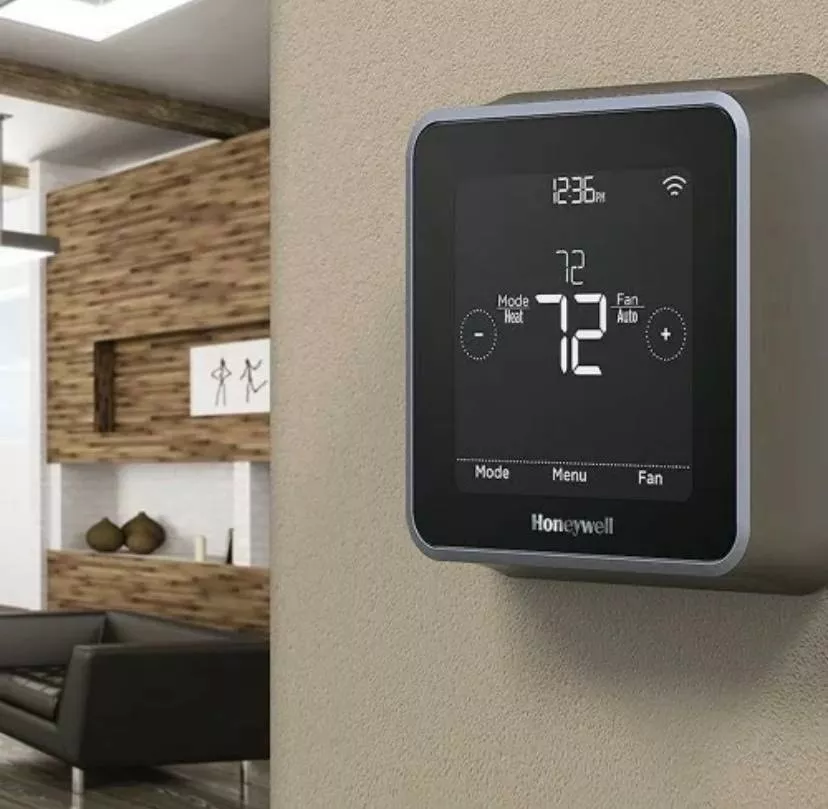
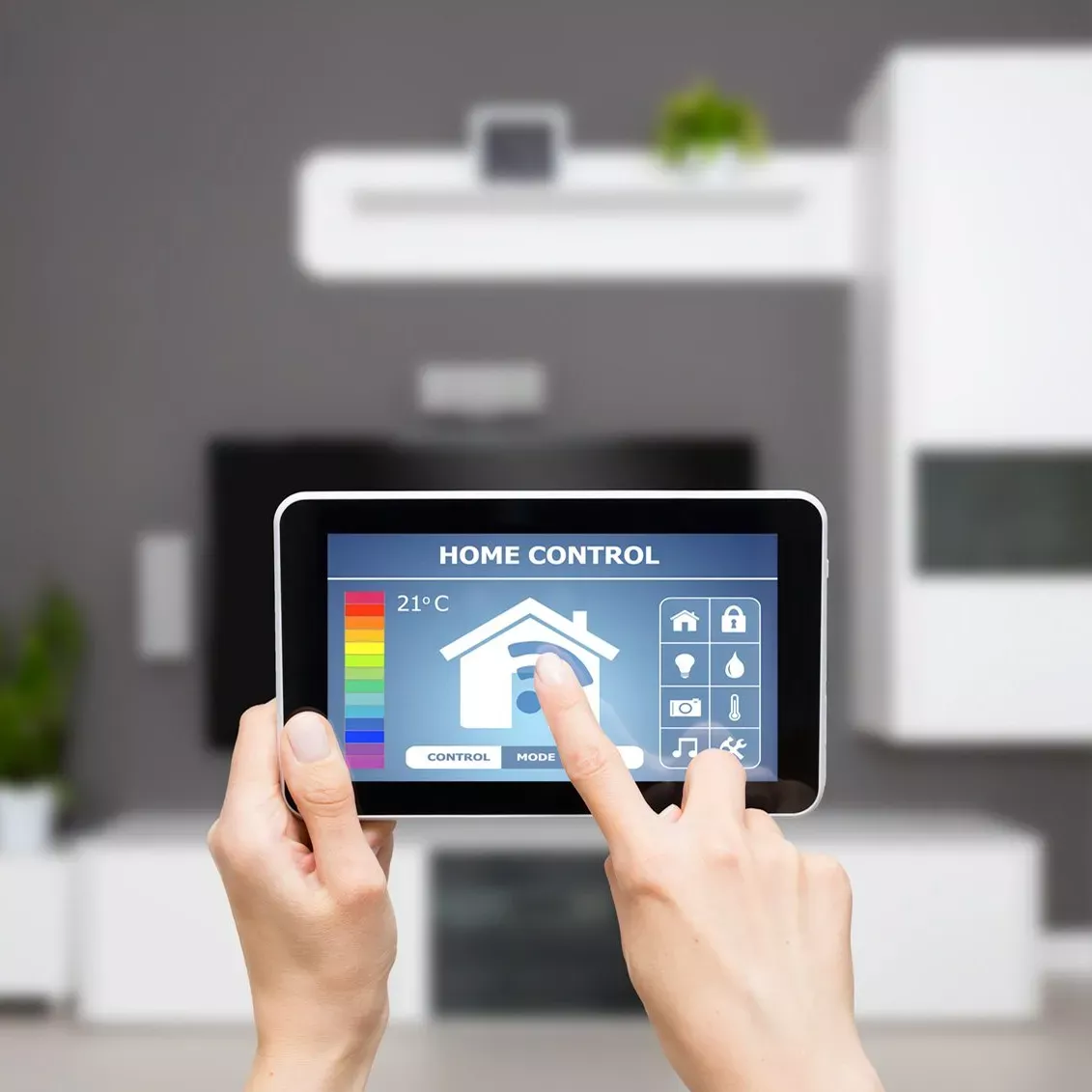
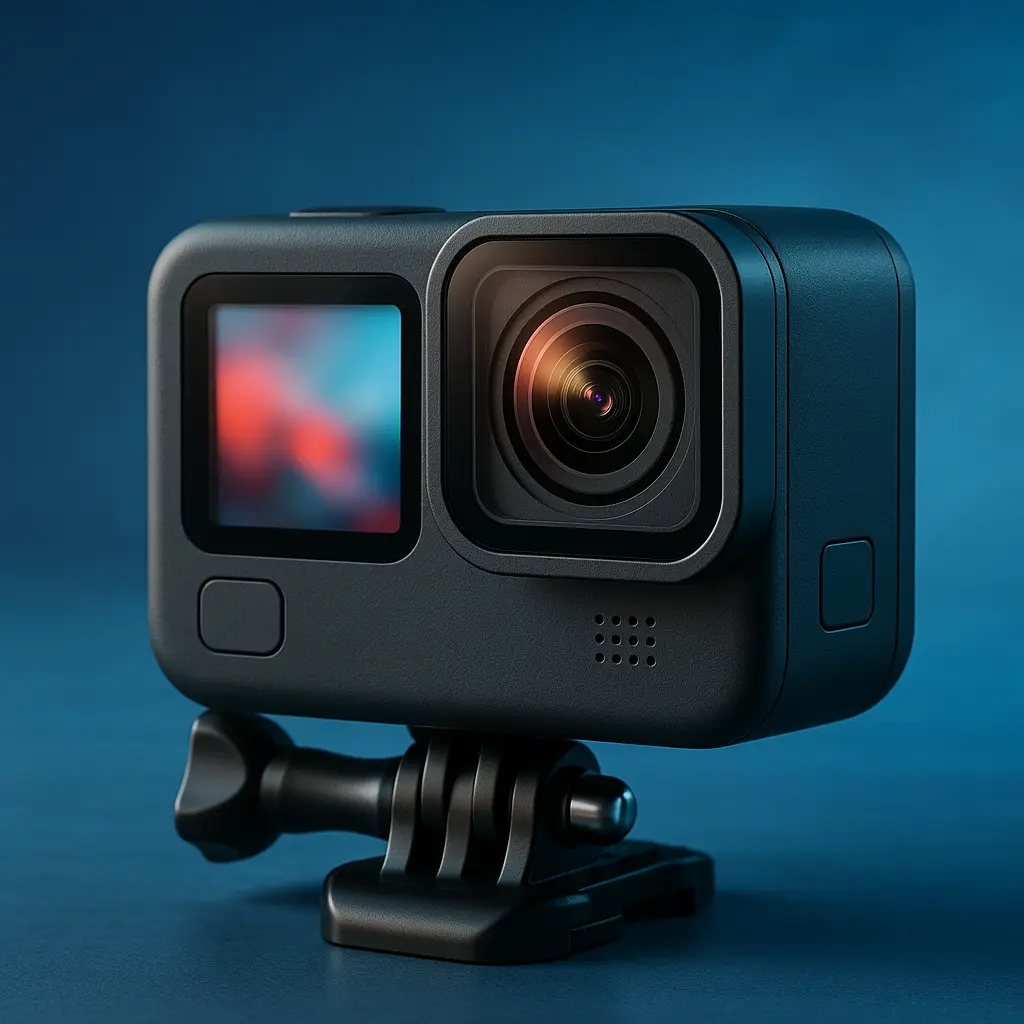

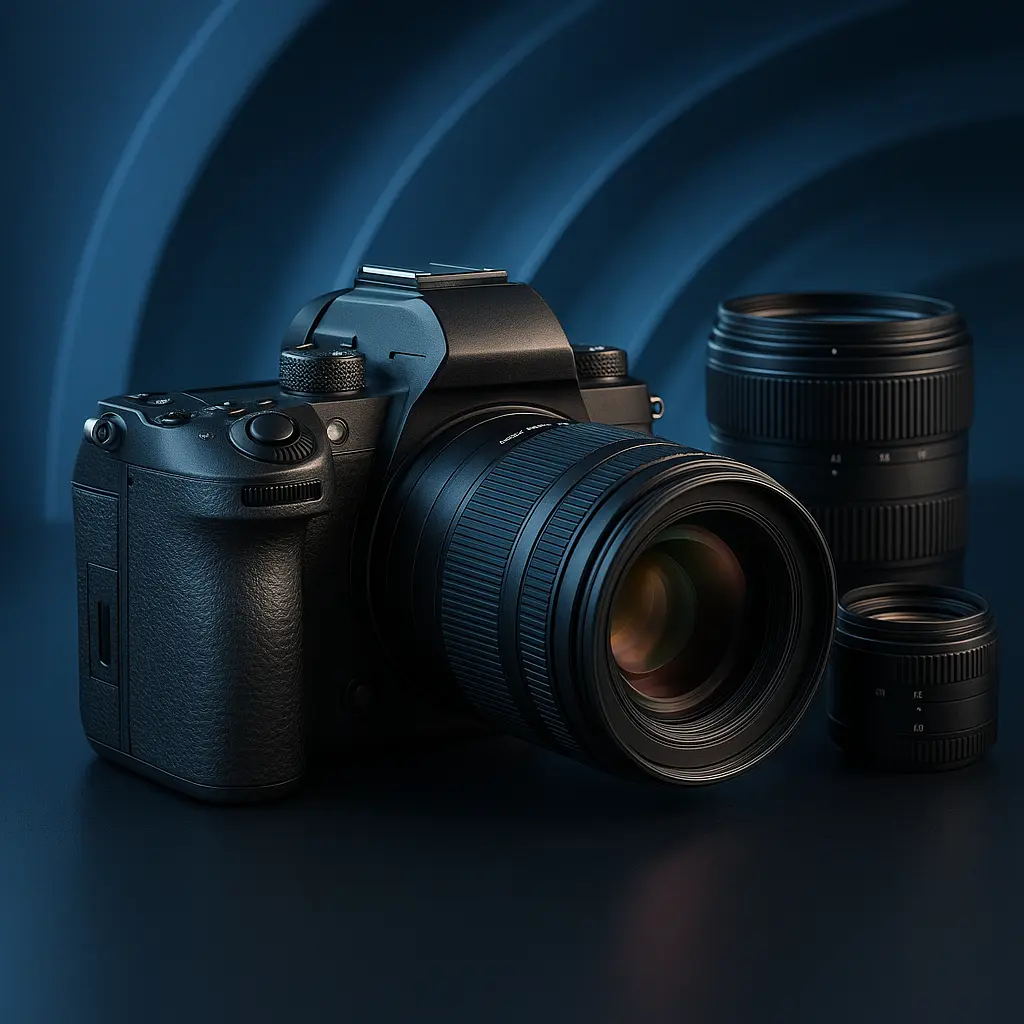




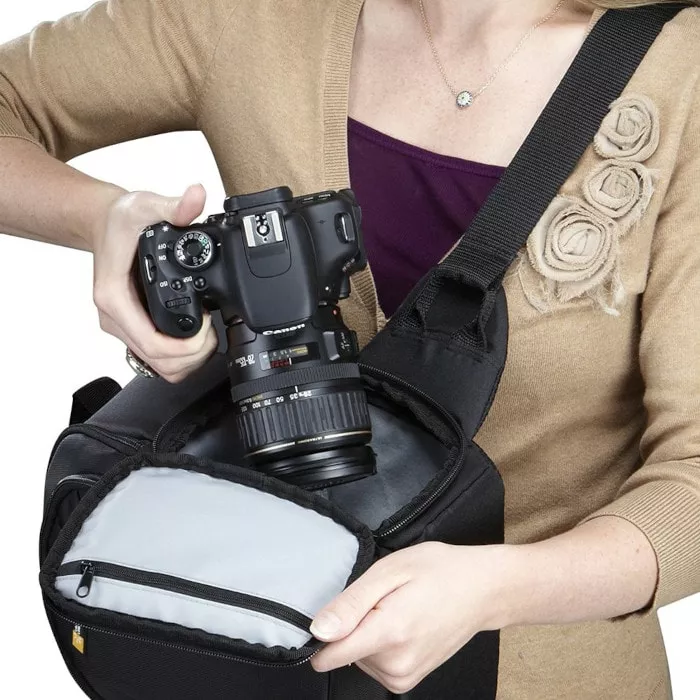

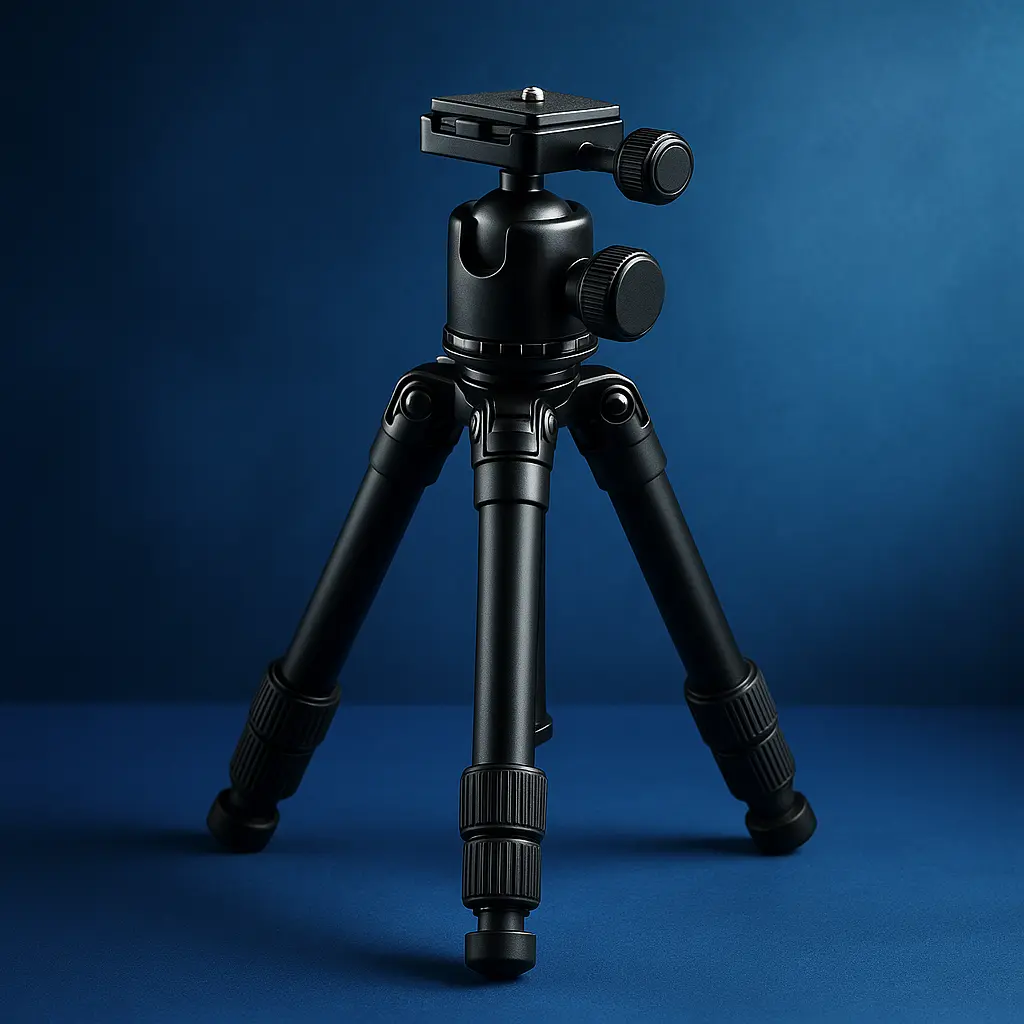

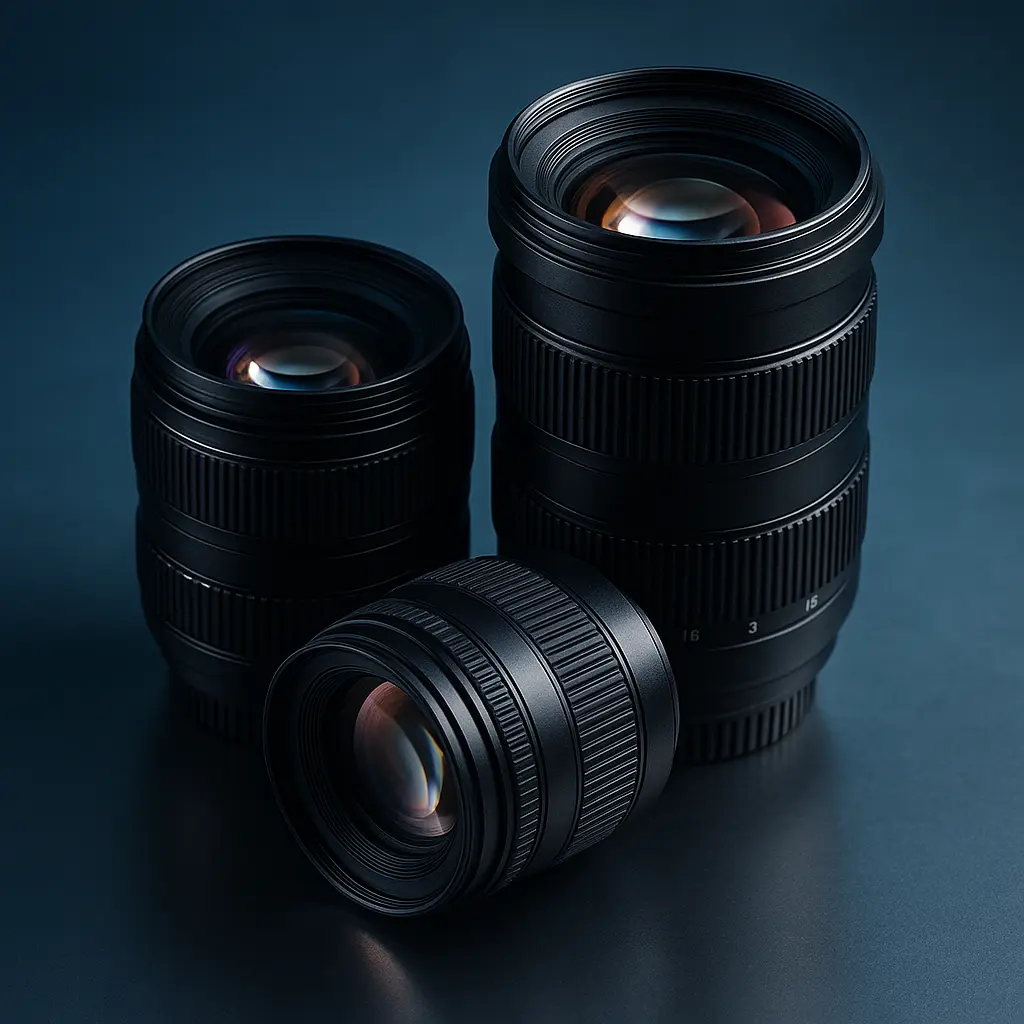

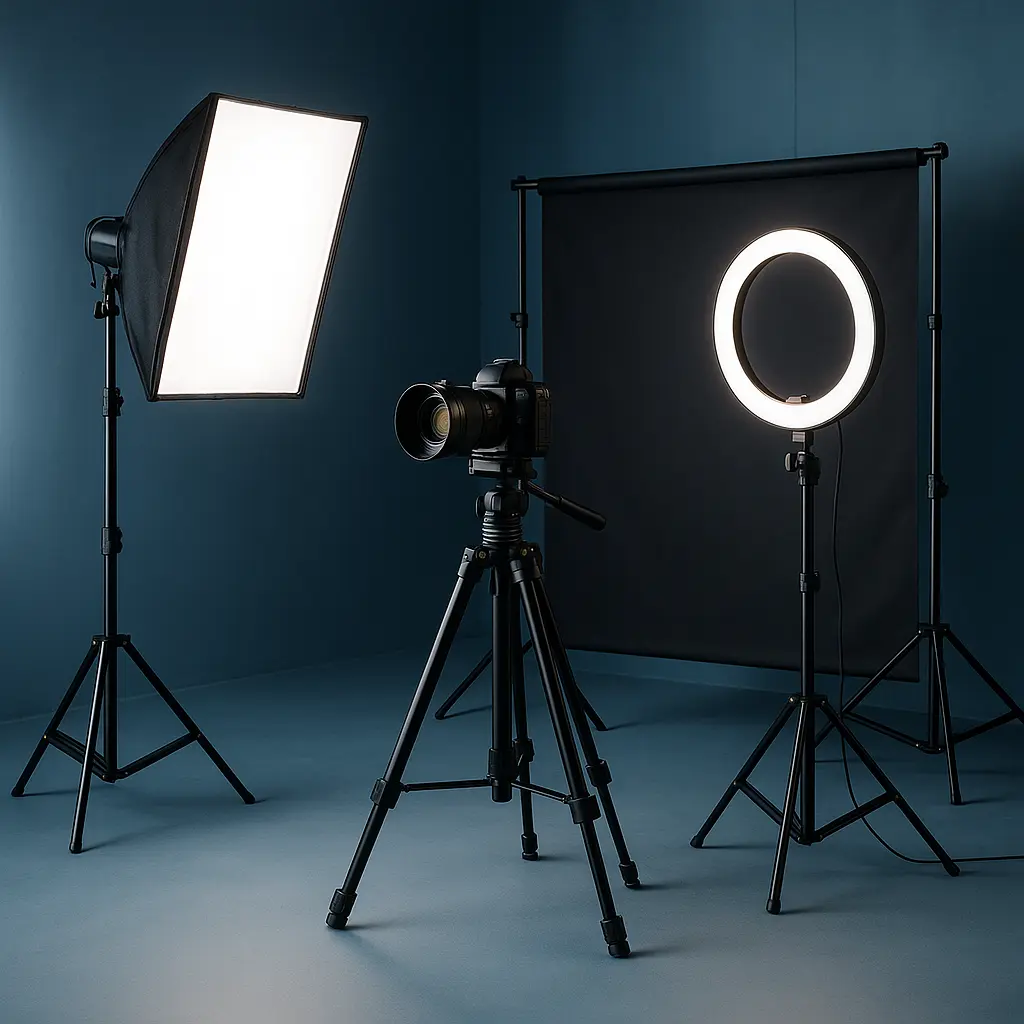
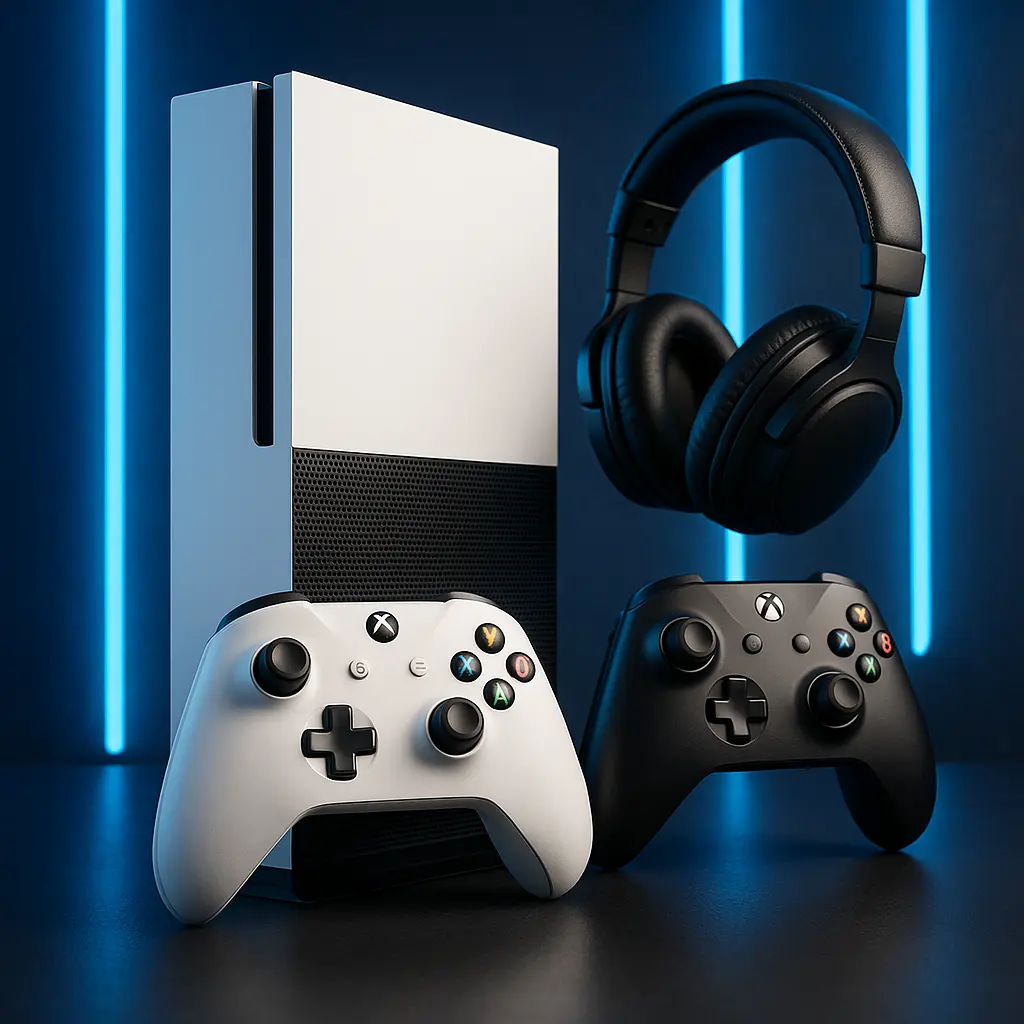

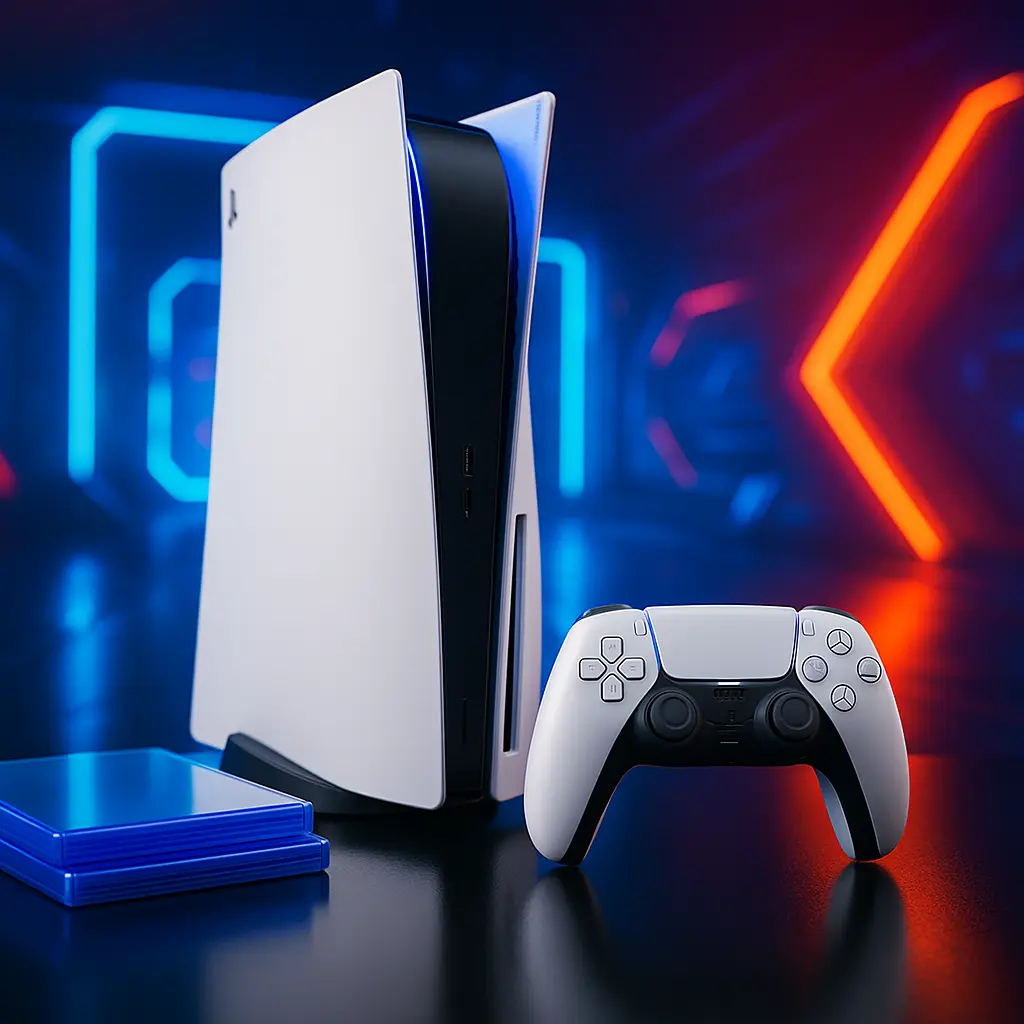

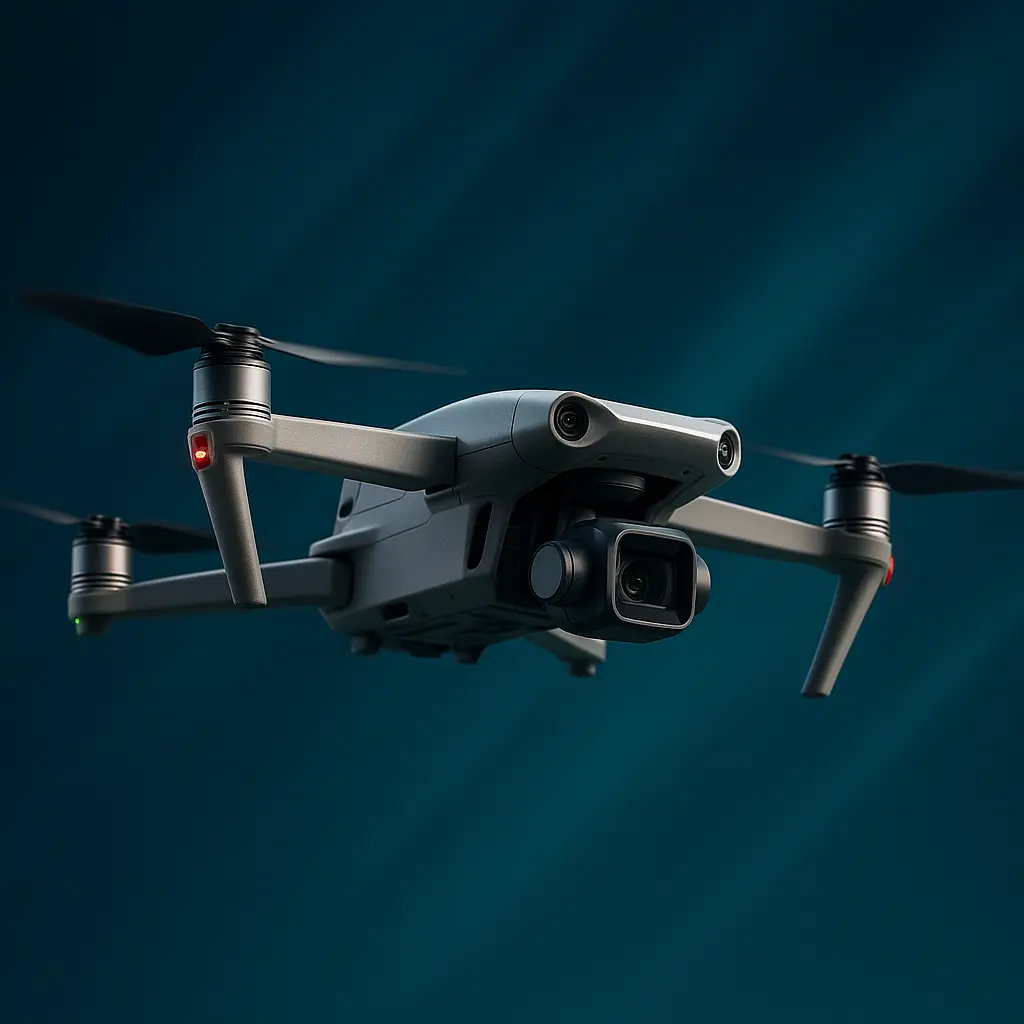

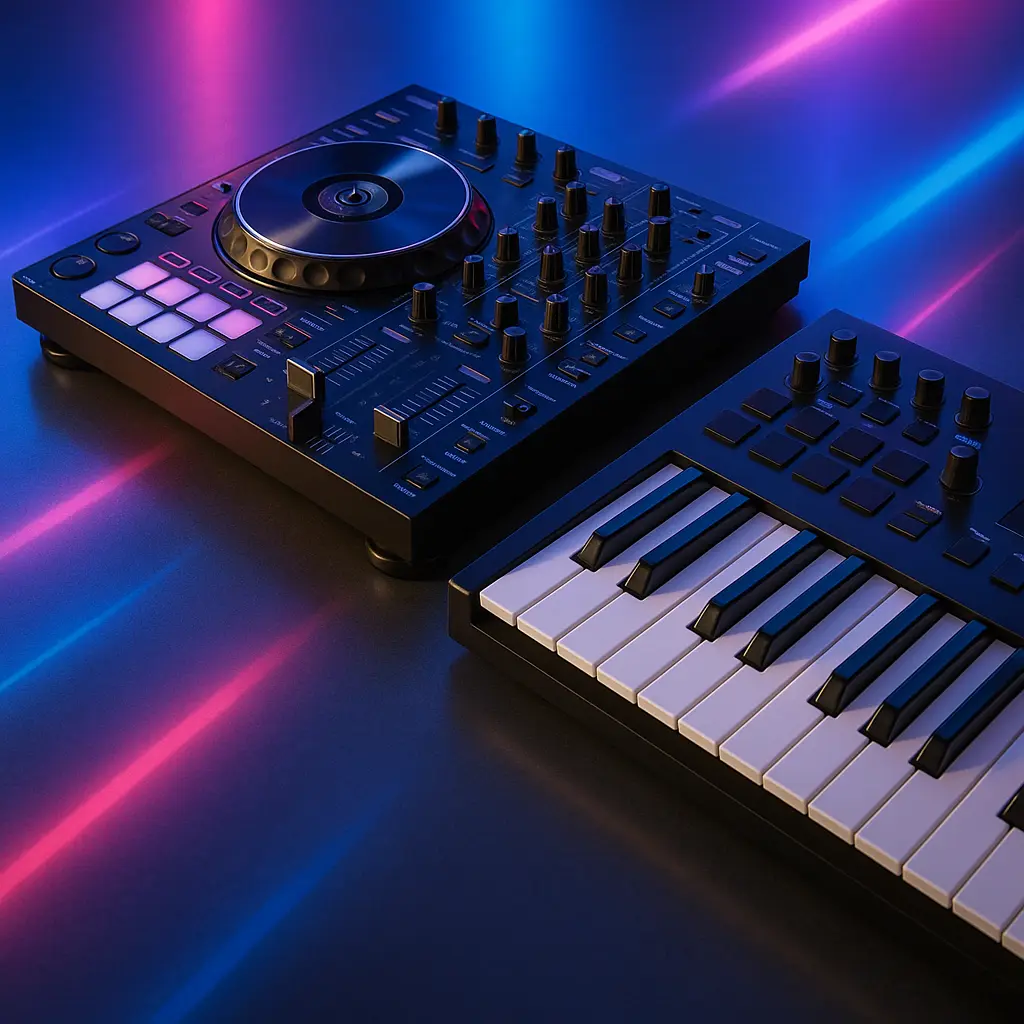
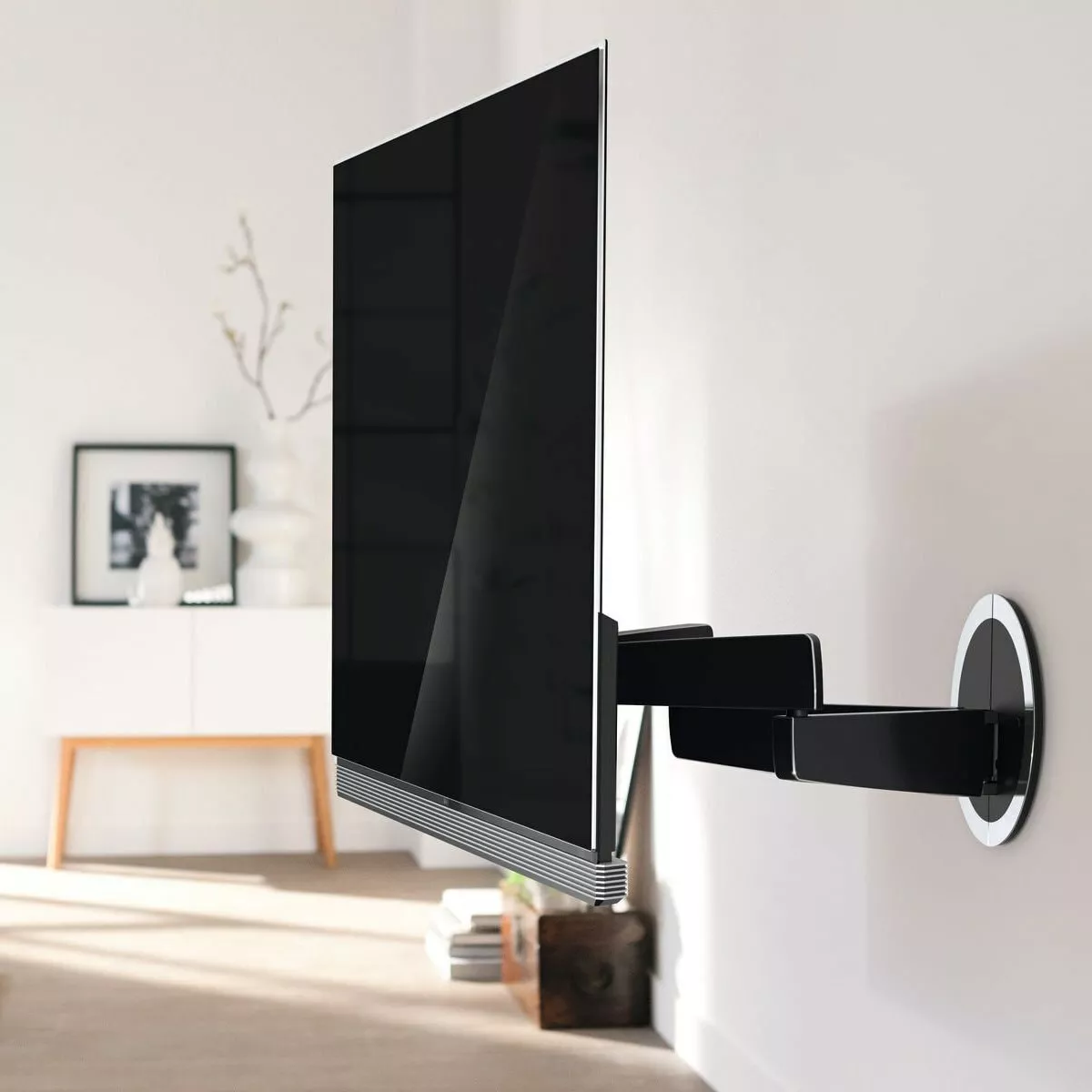
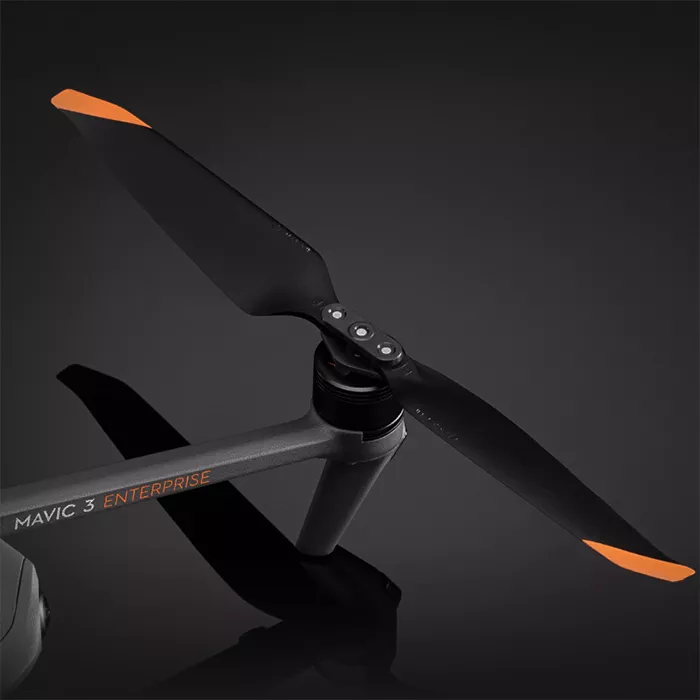
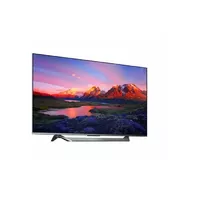
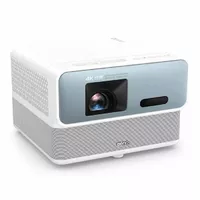
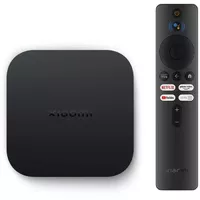
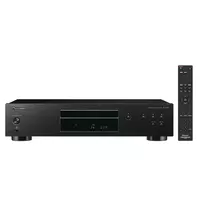
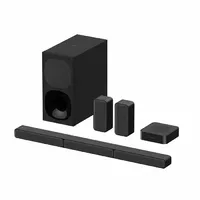

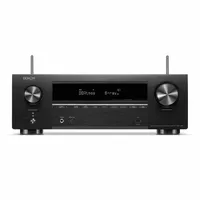
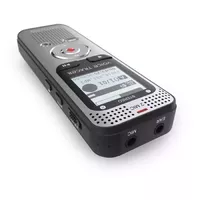
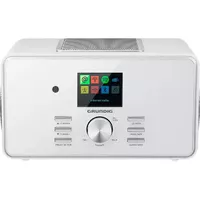



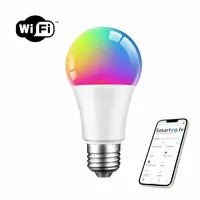
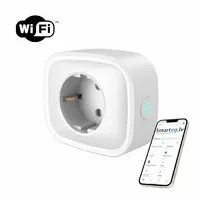
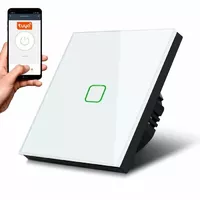


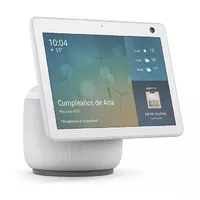

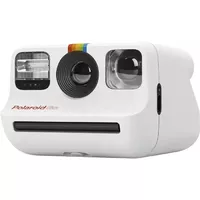
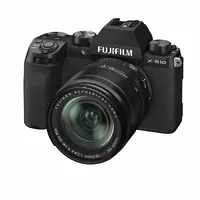

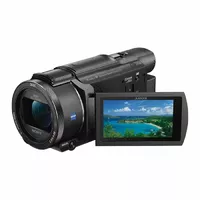

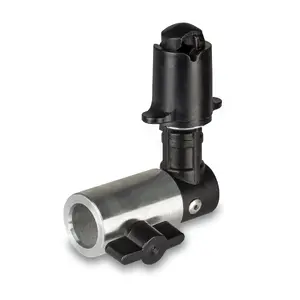
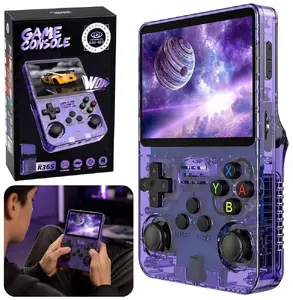
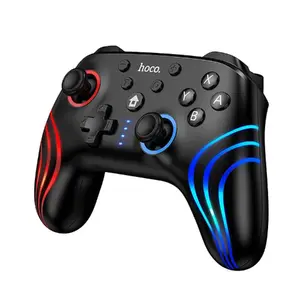





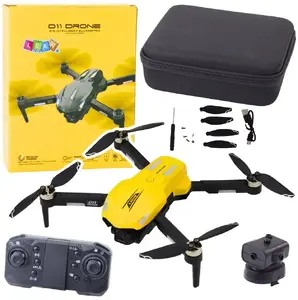

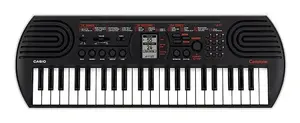
Electronics is a category of devices and components that use electrical energy to process information, control systems, or provide consumer functions. These products range from portable gadgets and household appliances to components used in computing, audio-visual systems, and communication equipment. Electronics are chosen for tasks that require signal processing, data transfer, power management, sensing, or user interaction, and they are used in everyday home, office, industrial, and mobile scenarios. Common characteristics include reliance on circuits, semiconductors, batteries or power supplies, and connectors or wireless interfaces. Selection often depends on technical specifications, compatibility with other devices, and the intended use case.
Types of Electronics
Electronics products cover a wide range of categories and components. Below are common types found in this category:
- Consumer electronics: smartphones, tablets, laptops, and wearable devices.
- Home electronics: televisions, audio systems, kitchen appliances, and smart home devices.
- Computer components: motherboards, processors, memory (RAM), storage drives, and power supplies.
- Peripherals and accessories: keyboards, mice, monitors, chargers, cables, and adapters.
- Networking and communication: routers, modems, switches, and wireless access points.
- Electronic components: resistors, capacitors, transistors, diodes, sensors, and integrated circuits.
What are Electronics used for?
Electronics serve practical functions across many contexts, primarily by processing signals and information or by providing controlled power and connectivity. Common uses include:
- Communication: enabling voice, video, and data exchange over wired or wireless networks.
- Computation and storage: performing calculations, running applications, and storing digital data.
- Entertainment and media: playing audio and video, streaming content, and gaming.
- Control and automation: managing smart home systems, industrial controls, and automated processes.
- Measurement and sensing: monitoring environmental conditions, health metrics, and device status through sensors.
Key Differences between Electronics
Electronics products differ by technical specifications, intended application, and interoperability. Main distinguishing factors include:
- Performance: processing speed, throughput, and responsiveness vary between models and classes of devices.
- Form factor and portability: size, weight, and battery life determine suitability for mobile or stationary use.
- Compatibility and interfaces: supported connectors, protocols, and operating systems affect integration with other equipment.
- Power requirements: voltage, current draw, and power management features influence installation and operating costs.
- Durability and certification: build quality, ingress protection, and regulatory compliance matter for specific environments.
How to Choose Electronics?
Selecting electronics involves matching product specifications to your needs and environment. Consider the following steps when choosing a product:
- Define the primary use case: determine whether you need mobility, high performance, low power consumption, or specific measurement capabilities.
- Check technical specifications: compare processor performance, memory, storage, connectivity options, and supported standards.
- Verify compatibility: ensure the device works with existing equipment, software, and accessories you plan to use.
- Assess power and installation needs: review power supply requirements, battery life, and mounting or space constraints.
- Look for documentation and support: choose products with clear manuals, firmware updates, and manufacturer or vendor support options.


